What makes a wedding band truly reflect who you are as a person? For many men, a wedding band is one of the few pieces of jewelry worn daily, yet selecting one often feels rushed or overlooked. Unlike engagement rings that dominate wedding conversations, men’s bands deserve careful consideration since they will sit on your finger for decades. A unique band goes beyond simple aesthetics; it represents your personal style, lifestyle, and the commitment you’re making.
1. Understanding Your Lifestyle and Daily Activities
Your daily routine plays a crucial role in determining which band materials and styles will work best for you. If you work with your hands, play sports, or spend considerable time at the gym, durability becomes non-negotiable. Softer metals like gold bend and scratch more easily, while harder metals such as platinum or tungsten resist damage better. Consider whether you’ll remove your band during certain activities or prefer something you never take off, as this affects which materials suit your needs.
Professionals in office environments often have more flexibility with delicate designs, whereas construction workers, mechanics, and athletes benefit from low-maintenance options. Think about water exposure too; some jobs involve frequent hand washing or time in wet environments. Stainless steel and tungsten carbide excel in these situations because they resist corrosion and maintain their finish without special cleaning routines. Your band should enhance your life rather than require constant upkeep or create worry about damage.
2. Exploring Material Options Beyond Traditional Gold
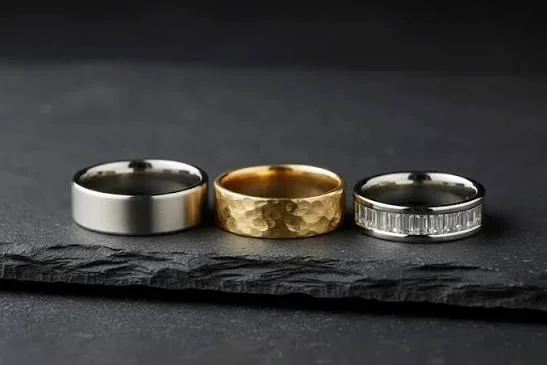
While yellow gold remains a classic choice, modern men have access to an expanding range of materials, each with distinct characteristics and advantages. Platinum is exceptionally durable and hypoallergenic, making it ideal for men with sensitive skin, though it comes at a premium price point. Tungsten carbide offers incredible scratch resistance and a naturally dark gray color that appeals to men seeking contemporary aesthetics without frequent maintenance. White gold provides the sleek appearance of platinum at a lower cost, though it requires periodic replating to maintain its bright finish.
Rose gold has gained popularity in recent years as men embrace warmer metal tones that complement various skin undertones. Titanium presents another option for the budget-conscious, offering lightweight comfort and excellent durability with a modern appearance. For buyers comparing materials and styles, mens wedding bands at Van Sweden Jewelers span a broad selection across metals, finishes, and price points within a single curated source. Some men also explore alternative materials such as wood inlays, carbon fiber, or ceramic bands that make bold personal statements while remaining practical for everyday wear.
3. Deciding Between Simple and Textured Designs
The simplicity versus complexity decision shapes the entire aesthetic of your band. A polished, smooth band conveys timeless elegance and pairs well with virtually any outfit or occasion, making it a versatile foundation piece. This classic approach emphasizes the metal itself and allows other elements of your appearance to take center stage without competition. For many men, a clean, unadorned band remains the most enduring and personally meaningful choice.
Textured designs including hammered finishes, brushed surfaces, or carved patterns add visual interest and personality to your band. These finishes serve a practical purpose beyond aesthetics; they hide scratches and wear patterns better than polished surfaces, maintaining the band’s appearance over time. Some men prefer subtle texture work like a satin finish that catches light differently depending on how you move your hand. Others choose more pronounced designs such as tribal patterns, geometric cuts, or decorative inlays that make unmistakable personal statements. Consider your professional environment when selecting texture level, as highly ornate bands may stand out noticeably in conservative corporate settings.
4. Considering Width and Comfort Features
Band width significantly impacts both appearance and comfort, and this choice depends on your hand size, personal preference, and the overall proportion you want to achieve. Thinner bands ranging from 3 to 4 millimeters suit men with smaller hands or those preferring a delicate aesthetic, while wider bands from 6 to 8 millimeters create a more substantial, bold presence. The average men’s band falls between 4 and 6 millimeters, balancing visibility with comfort for all-day wear.
Beyond width, the band’s interior profile affects how it feels throughout daily activities. A traditional dome shape feels smooth against your skin, while a comfort-fit band features slightly rounded interior edges that many men find less irritating during extended wear. Beveled or grooved interiors add visual interest when you remove your ring, creating a finished appearance even on the inside. Try on bands in various widths at different times of day, as finger size changes throughout the day due to temperature and activity level. What feels perfectly comfortable at a jeweler’s counter may pinch during a workout or feel loose on a cold morning.
5. Balancing Budget with Quality and Longevity
Setting a realistic budget for your wedding band requires understanding that price correlates with material cost and craftsmanship quality, but not always in direct proportion. Precious metals like platinum and gold naturally command higher prices than alternative materials, though superior durability often justifies the investment for a piece worn daily. A well-made tungsten or titanium band costs significantly less than gold while potentially requiring less maintenance over decades of wear.
Consider the total cost of ownership rather than just the initial purchase price. Gold bands need periodic polishing and may require replating, while platinum bands maintain their appearance longer with minimal intervention. Some materials scratch easily and require professional refinishing, whereas others maintain their appearance with home care such as occasional polishing cloths. Jewelers’ warranties and after-care services vary considerably and may justify purchasing from a specific retailer. Ultimately, the best value is not the cheapest option but rather the band that provides comfort, durability, and visual appeal within your financial comfort zone.
Conclusion
Selecting a unique men’s wedding band requires thoughtful consideration of your lifestyle, personal style preferences, material options, and budget constraints. The band you choose will become intimately familiar through years of daily wear, so taking time to explore different widths, finishes, and materials ensures you select something you’ll genuinely appreciate. By evaluating how your profession and activities affect durability needs, examining materials beyond traditional gold, deciding between simple elegance and textured personality, and considering comfort features that matter during everyday life, you create a strong foundation for a selection you’ll value for decades. Your wedding band deserves the same intentional attention as any significant purchase, and the effort invested in finding the right fit pays dividends through years of comfortable, confident wearing.