Ellin Berlin: The Writer, Heiress, and Partner in One of America’s Most Famous Marriages

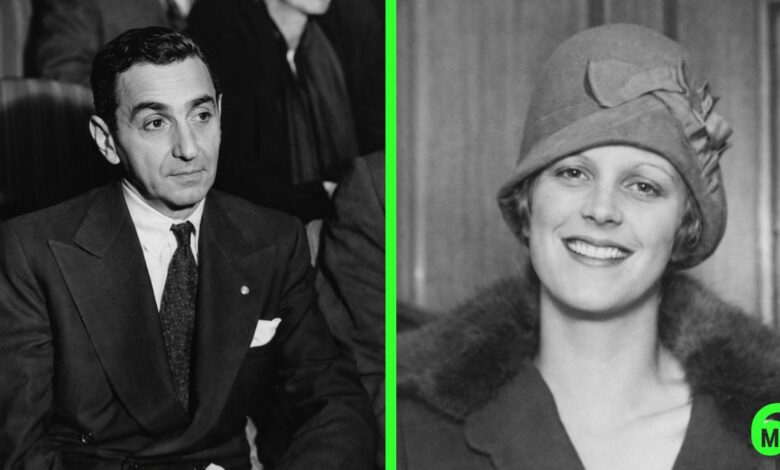
Irving Berlin’s name sits high in American songwriting history. He wrote standards that outlived their era, from “White Christmas” to “God Bless America,” and his career spanned ragtime, Broadway, Hollywood, and the American popular songbook. Yet his story is incomplete without Ellin Berlin, born Ellin Mackay in 1903: a writer, socialite, and daughter of one of New York’s wealthiest Catholic families, who married Berlin in 1926 despite intense backlash. Their marriage became a national spectacle, crossing boundaries of religion, class, ethnicity, and age. Over time, headlines faded, giving way to a long, durable family life that lasted until Ellin’s death in 1988. This article examines Ellin Berlin using public records to trace her background, writing, marriage, and historical presence.
Quick Bio
| Field | Details |
|---|---|
| Full Name | Ellin Mackay Berlin |
| Relationship | Wife of songwriter Irving Berlin |
| Public Profile | Writer, novelist, and noted New Yorker contributor before marriage |
| Birth | March 22, 1903 |
| Death | July 29, 1988 |
| Age at Death | 85 |
| Residence | Public record places her life primarily in New York social and family circles |
| Parents | Clarence H. Mackay and Katherine Duer Mackay |
| Children | Four children: Mary Ellin, Irving Jr., Linda Louise, and Elizabeth Irving |
| Known Public Interests | Writing, family life, and public-service involvement including the U.S. Assay Commission |
| Social Media Presence | None; she lived in a pre-social-media era |
Who Is Ellin Berlin?
Ellin Berlin was more than “Irving Berlin’s wife,” though that label often dominates. Born into wealth as Ellin Mackay, she also had a distinct voice and career, writing for The New Yorker and later publishing fiction. Her importance spans both literary and cultural spheres: she belonged to New York’s elite but chose a marriage considered scandalous. This contrast—of privilege and public departure from expectation—defines enduring interest in her life.
The Private Life of Ellin Berlin
Ellin Berlin’s life is best understood as selectively public. She was not hidden from view in the way a modern celebrity spouse might be; on the contrary, the press covered her courtship and marriage relentlessly. But the public record that endured is strikingly restrained, preserving a few durable facts: her family background, her writing career, her marriage, her children, and her place in Irving Berlin’s personal archive. It does not preserve a performative public persona in great detail. That distinction matters. Ellin belonged to a generation in which society women could be famous, but fame did not always require constant self-exposure. Her historical footprint suggests a woman who moved between visibility and reserve, known enough to attract headlines yet measured enough that family, correspondence, and literary work remain central to her surviving image. Even the Library of Congress description of the Irving Berlin collection points to a rich family correspondence, underscoring how much of her significance resides in private rather than promotional life.
Early Life and Background of Ellin Berlin
Ellin Mackay was born in 1903 into a leading New York family—her father, Clarence Mackay, was a financier, and her mother, Katherine Duer Mackay, brought her up amid wealth and social expectation. Yet Ellin stands out historically for being more than ornamental in this privileged world. Her early New Yorker writing reveals an observant, socially attuned mind. Her famous 1925 essay on cabaret culture captured a shift in youth and urban life; later, The New Yorker underscored its importance in the magazine’s early years. This positions Ellin not as an accidental figure, but as an interpreter of her era. Her background gave her access to elite circles, and her writing allowed her to describe them from within.
Marriage and Partnership with Irving Berlin
Ellin Mackay and Irving Berlin’s marriage drew widespread attention by challenging social boundaries: Berlin was a Russian-born Jewish immigrant, Ellin a Catholic heiress from old money. Their 1926 civil ceremony followed public and familial opposition. The partnership stands out not just for its initial scandal but also for its endurance—the couple remained together until Ellin’s death in 1988, and later accounts emphasize their marriage as an emotional cornerstone of Berlin’s life.
Ellin Berlin’s Role Behind the Scenes
The phrase “behind the scenes” can sometimes flatten a woman’s life into support work alone, but in Ellin Berlin’s case, it is better used to describe the architecture of a long marriage and household. Public records do not present her as Irving Berlin’s manager or coauthor. They present her instead as a literary woman, a mother, and a constant in the personal world surrounding a major artist. The Berlin archive includes correspondence between husband and wife, and even the access restrictions around The phrase “behind the scenes” can sometimes flatten a woman’s life into support work alone, but in Ellin Berlin’s case, it is better used to describe the architecture of a long marriage and household.dren as part of the emotional core of his catalog. That does not make Ellin an abstract “muse” in the romanticized sense. It does show that her place in Berlin’s life had documentary substance: she was part of the family setting from which some of his most personal work emerged.
Family Life: Raising the Next Generation
Ellin and Irving Berlin had four children; their son Irving Berlin Jr. died in infancy in 1928. Their daughters included Mary Ellin Barrett, a writer and memoirist, evidencing a family with a continuing literary lineage. Mary’s memoir highlights a household shaped by a Catholic mother’s wealth and a Jewish father’s self-made background. Ellin’s role created a home merging different traditions, and public memory of the family often centers on that union. The death of their infant son led to reconciliation with Ellin’s father and reshaped family relationships across generations.
Philanthropy and Community Engagement
Ellin Berlin is not remembered for highly branded philanthropy, and that itself is telling. Public accounts highlight her writing, marriage, and family, not a singular charitable agenda. Still, she participated civically—she served on the United States Assay Commission, a formal public-service role. More broadly, the family legacy is tied to stewardship of Irving Berlin’s work, and the family site underscores descendants’ ongoing involvement. For Ellin, community engagement showed in institutional roles, family continuity, and cultural stewardship. This model of public contribution—rooted in service, patronage, and custodianship—may seem quieter than modern philanthropy, but it is noteworthy.
The Power of Privacy: Influence Without Publicity
Ellin Berlin lived in the public eye during her courtship and marriage, but wasn’t a self-mythologizing celebrity. That makes her seem elusive now. The surviving record outlines her life without overexposing her opinions and habits. This restraint shifts focus to what can be verified: her essays, novels, marriage, family, and correspondence. Ellin’s influence was real but not theatrical; she didn’t need publicity to matter. Evidence points to her importance as a connector of worlds often considered incompatible: old wealth and immigrant ambition, Catholic and Jewish identity, authorship and family life. Privacy for Ellin was not invisibility—it was proportion.
Public Curiosity and Misconceptions About Ellin Berlin
Much of the curiosity around Ellin Berlin has been filtered through Irving Berlin’s fame, which creates two common distortions. The first is to treat her as a mere romantic footnote, remembered only because her marriage was controversial. The second is to imagine her only as a sheltered heiress who stepped into a songwriter’s story. The public record complicates both views. Ellin was already a recognizable writer before marriage, and her early work drew significant attention. She also lived long enough to publish novels and to remain part of the documented Berlin family story for decades. Another misconception comes from modern assumptions about “private spouses.” Ellin was not obscure in her own time; she was historically visible, just not endlessly self-promoting. That distinction is worth preserving. It allows her to be seen as a figure with agency, authorship, and social meaning, rather than a passive accessory to a famous husband.
Legacy and Future
Ellin Berlin’s legacy rests on endurance, authorship, and historical contrast. She remains important because her life illuminates several American stories at once: the world of elite New York society, the changing role of women in literary culture, the interfaith marriage that scandalized the 1920s press, and the family life behind one of the country’s most famous songwriters. She also survives in public memory through institutions and archives. The Library of Congress preserves the Berlin collection, including records that document the family world she helped shape, while the Irving Berlin family site continues to present her as essential to the composer’s personal story. Future interest in Ellin Berlin will likely continue to grow wherever scholars study the social history of marriage, women’s writing, and American culture between the Jazz Age and the late twentieth century. She was not loud in the record, but she was lasting.
Conclusion
Ellin Berlin deserves to be remembered as more than the woman who married Irving Berlin against her family’s wishes. She was a writer with early New Yorker success, a novelist, and a public figure shaped by privilege yet willing to. Future interest in Ellen Berlin will likely continue to grow wherever scholars study the social history of marriage, women’s writing, and American culture between the Jazz Age and the late twentieth century. a woman whose life intersected with fame without being consumed by it. Her marriage lasted more than six decades, her family remained part of the cultural stewardship of Irving Berlin’s legacy, and her own literary work continues to mark her as a voice of substance. Historically, Ellen Berlin’s role was quiet only by comparison with the volume of celebrity culture. In reality, it was steady, consequential, and very much her own.
Read this too:Elle Key and Keegan-Michael Key: Inside a Creative and Personal Partnership
(FAQs)
1. Who was Ellin Berlin?
Ellin Berlin, born Ellin Mackay, was an American writer and novelist who became widely known as the wife of songwriter Irving Berlin.
2. What was Ellin Berlin’s connection to Irving Berlin?
She was Irving Berlin’s wife. They married on January 4, 1926, and remained married until. Historically, Ellen Berlin’s role was quiet only by comparison with the volume of celebrity culture. real lines: Ellin was a Catholic heiress from a prominent family, while Irving Berlin was a Jewish immigrant songwriter.
4. Was Ellin Berlin a writer in her own right?
Yes. She wrote for The New Yorker and later published fiction and novels.
5. What is Ellin Berlin best known for in literary history?
Her 1925 New Yorker essay “Why We Go to Cabarets—A Post-Debutante Explains” is especially notable and was later described as an early success for the magazine.
6. How many children did Ellin and Irving Berlin have?
They had four children, including their daughter Mary Ellin Berlin, later Mary Ellin Barrett.
7. Did Ellin Berlin have a public-service role?
Yes. Public biographical summaries note that she served on the United States Assay Commission.
8. Where can researchers find historical records rHer 1925 New Yorker essay, “Why We Go to Cabarets—A Post-Debutante Explains,” is especially notable and was later described as an early success for the magazine. family story.