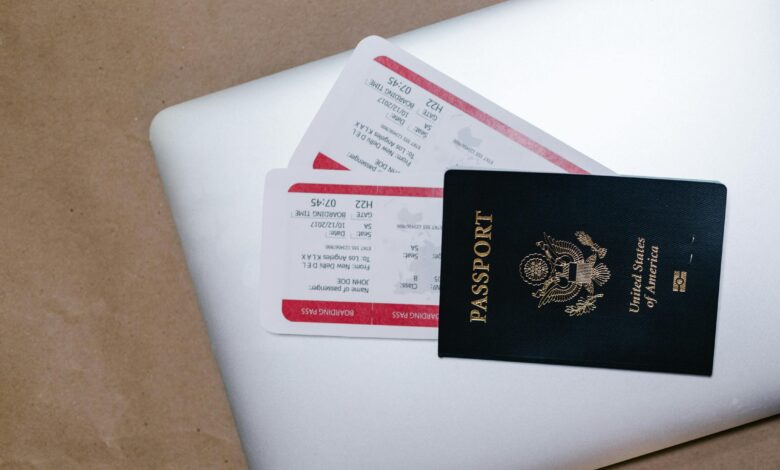
Travelling to Pakistan for the first time can feel exciting, but it also helps to arrive with realistic expectations. It is a large, varied country with very different travel experiences depending on where you go. A first trip might include historic cities, mountain scenery, busy bazaars, modern districts and long intercity journeys, sometimes all within the same itinerary. The best approach is to keep the basics simple and focus on what will make the trip feel manageable from day one.
A lot of travellers start with route planning and tickets to Pakistan, but the smoother trips are usually the ones built around practical details first. Visa rules, money, local customs, phone access, transport and safety planning matter just as much as your flight. Once those essentials are sorted early, the rest of the trip tends to feel much less overwhelming.
Pakistan also makes more sense when you think of it in regions rather than as one single travel experience. Lahore feels different from Karachi. Islamabad works differently from the northern areas. Even the pace of daily life can shift depending on where you are. For a first visit, it helps to understand those differences before trying to build a packed route.
Sort the Visa Before Anything Else
The visa should be one of the first things you deal with, not one of the last. Entry requirements can vary depending on your nationality and the type of trip you are taking, so it is worth checking the current process carefully before you book everything else around it. In general, the easiest trips are the ones where paperwork is handled early and you have digital and printed copies of the important documents ready to go.
It is also a good idea to avoid leaving this until the final week before travel. Even when the process is fairly straightforward, you will feel far more relaxed knowing that the entry side of the trip is already in place. First-time travellers often spend too much energy worrying about the unknown, when early admin removes a lot of that stress.
Understand Local Customs Before You Arrive
Pakistan is widely known for hospitality, but it is also sensible to remember that social norms can be more conservative than in some other destinations. Dressing modestly is usually the easiest choice, especially in religious sites, smaller towns and more traditional areas. In larger cities you will see more variation, but respectful clothing is still the safest starting point.
It also helps to pay attention to how people behave in public. Greeting people politely, being mindful in family-oriented spaces and avoiding anything overly showy or confrontational will generally help you settle in quickly. You do not need to overthink every interaction, but a little cultural awareness goes a long way.
Know That Each Region Feels Different
One of the most important things for first-time visitors is understanding how different Pakistan’s regions can feel. Lahore is often the easiest place to connect with the country’s food, history and cultural life. Karachi is bigger, busier and more intense, with a very different rhythm. Islamabad tends to feel more orderly and spacious. The northern areas are a completely different kind of trip again, shaped more by landscapes, weather and road travel than by city exploration.
That matters because it affects how you should plan. A city-focused trip can often move at a steady pace, while a northern route needs more flexibility. Distances may look manageable on paper, but mountain roads and changing conditions can slow everything down. A first trip usually works best when you avoid trying to combine too many different styles of travel all at once.
Keep Your Internal Transport Plans Realistic
Getting around Pakistan often means using a mix of transport rather than relying on one option throughout. Major cities can be connected by domestic flights, while road travel is often the main option for shorter regional journeys or more remote destinations. In larger cities, app-based rides and private cars are common practical choices, while longer overland journeys require a bit more patience.
The main mistake first-time travellers make is underestimating how tiring frequent transfers can be. A route with too many long journeys quickly becomes draining. It is usually better to choose fewer bases and spend longer in each one than to keep moving every day or two. Pakistan rewards a slower, more focused itinerary.
Think About Safety in a Sensible Way
Safety is one of the first concerns many travellers raise, and it is worth taking seriously without letting it dominate the whole trip. Conditions can vary by area, and the safest approach is to keep your plans straightforward, stay informed and avoid taking unnecessary chances. A first-time visit is usually better when it centres on established routes and well-known destinations rather than overly ambitious detours.
On the ground, common sense matters. Use reputable transport, avoid wandering aimlessly late at night in unfamiliar places, keep valuables secure and let someone at home know your route. It is also wise to stay aware of the latest local conditions before moving between regions. Good travel judgement tends to matter more than dramatic caution.
Get Comfortable With Cash and Cards
The local currency is the Pakistani rupee, and cash still matters in everyday travel. In major hotels, some restaurants and more formal businesses, cards may be accepted, but you should not assume that card payment will work everywhere. Smaller shops, local transport, markets and routine day-to-day spending often still rely heavily on cash.
The simplest approach is to carry enough cash for daily use without carrying more than you need. It also helps to have more than one payment method in case one card does not work. First-time travellers usually find the trip easier when they treat cash as essential rather than as a backup.
Plan Your Connectivity Before You Land
Phone access can make a bigger difference than many travellers expect. You will probably depend on your mobile for directions, bookings, contact details and everyday coordination, so it is worth planning this before arrival. Roaming may work for some travellers, while others will prefer a local SIM or a temporary setup for mobile use during the trip.
The key point is not to leave this until you are already tired in the airport. Check whether your phone is unlocked, think about how long you will be staying, and make sure you have at least one reliable way to get online once you arrive. In big cities this is usually straightforward. In more remote regions, preparation matters more.
Expect Travel to Move at Its Own Pace
Pakistan is not the kind of destination where every day should be packed tightly from morning to night. Even a simple transfer can take longer than expected once traffic, distance or local conditions come into play. That is why rigid itineraries often create more stress than value.
A better first trip leaves breathing room. Give yourself time between major stops. Avoid loading your arrival day with too many plans. Accept that some parts of the trip will move more slowly than they would elsewhere. Once you stop fighting the pace, the experience usually becomes much more enjoyable.
Learn the Basics of Daily Etiquette
Small habits can make a big difference. Being polite and patient will generally get you far. It is worth observing before acting, especially in unfamiliar social settings. In some places you may find that family spaces, religious settings and local routines carry a slightly different tone from what you are used to.
This does not mean the trip should feel restrictive. It simply means awareness matters. The more you match your behaviour to the setting around you, the more comfortable the experience tends to feel for everyone involved.
Food, Language and Everyday Experience Will Vary
A first-time traveller should expect variation, not uniformity. Food changes noticeably by region, city and even neighbourhood. Language can shift too, and the atmosphere in each part of the country may feel distinct. That variety is one of the strongest parts of the travel experience, but it also means assumptions can be unhelpful.
The best mindset is to stay curious while keeping your plans grounded. What works smoothly in one city may need a different approach somewhere else. The more flexible you are, the easier those differences become to enjoy rather than manage.
Keep the First Trip Simple
A good first trip to Pakistan does not need to cover everything. In fact, it probably should not. A smaller number of well-chosen stops will nearly always feel better than a rushed itinerary trying to combine major cities, long overland stretches and northern detours in one go. Pakistan is the kind of destination that benefits from focus.
You do not need to see the whole country on your first visit to understand why people return. A well-paced trip with realistic transport, a few strong bases and a little flexibility is usually the better introduction.
Final Thoughts
Travelling to Pakistan for the first time becomes much easier when you concentrate on the practical basics. Get the visa sorted early, understand local customs, be realistic about transport, carry workable payment options, plan your phone access and build an itinerary that respects regional differences. Those steps do more to shape a good trip than trying to overprepare for every possible scenario.
Once the foundations are in place, the rest of the experience opens up naturally. You can spend less time worrying about logistics and more time enjoying what makes the country memorable in the first place: the food, the hospitality, the contrast between regions and the feeling that every stop shows you a different side of the journey.