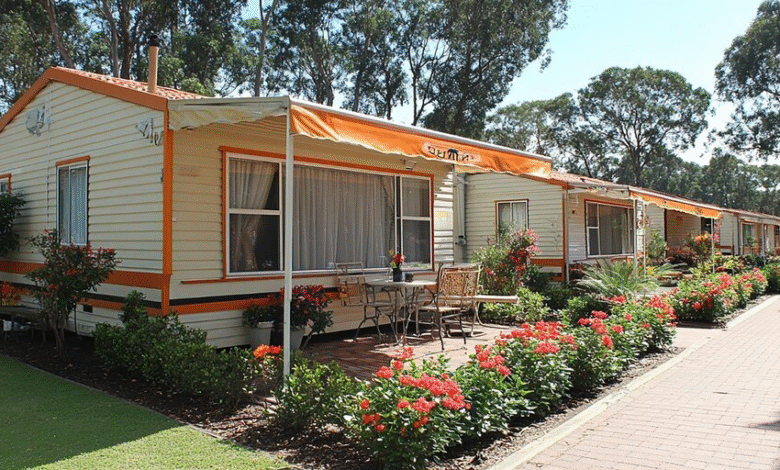
Over 85,000 park homes exist in the UK that offer affordable living options. As a result, mobile home park ownership is gaining popularity, especially among investors who seek lower entry costs and steady income. Many of them now turn to Estate Agents Ilford to find suitable opportunities in this growing market. This investment model offers flexibility, consistent demand, and strong long-term potential across the UK property sector.
What Is Mobile Home Park Ownership in the UK?
Mobile home park ownership means you own the physical structure of your home but not the land it stands on. The site operator owns the land, and you pay a regular pitch fee to keep your home on it. The Mobile Homes Act 1983, updated several times since, is the main law that sets out your rights and responsibilities.
Residents who also manage rental properties nearby often look for property management services Ilford to handle their wider portfolio. Understanding your park home pitch agreement is just as important as managing any other property commitment. Your written statement, provided by law, sets out all fees, rules, and obligations for both you and the site owner.
- Park homes must meet British Standard BS3632, which covers construction, safety, and insulation.
- Most residential parks also apply an age restriction of 50 or over.
- The home must be your only or main residence; you cannot use it as a holiday property or rent it out.
The table below outlines the key distinction between what park home owners do and do not own.
| What You Own | What You Do Not Own |
| The home structure itself | The land or pitch beneath it |
| Internal fixtures and fittings | Communal areas and park facilities |
| Any approved additions to the home | Park roads, infrastructure, and grounds |
Your Legal Rights Under the Mobile Homes Act

The Mobile Homes Act gives residential park home owners strong legal protections from day one. These rights exist regardless of how long you have lived on the site.
Your core rights as a resident include:
- Security of tenure: You may remain on your pitch as long as you do not breach your agreement
- The right to sell your home on the open market without needing the site owner to approve your chosen buyer.
- Protection from eviction except in very specific circumstances defined by law.
- The right to gift or leave your home to a family member in your will.
- The right to form a residents’ association and have a collective voice on park matters.
- Protection against unfair increases in pitch fees, with changes linked to the Consumer Price Index.
The 2013 update to the Mobile Homes Act significantly strengthened the selling process. Site owners can no longer block a sale based on the buyer’s identity, though they can still confirm that buyers meet park rules such as minimum age requirements.
How Site Fees and Charges Work
Site fees, sometimes called pitch fees, are the regular payments you make for the right to keep your home on the operator’s land. These are separate from utility bills, council tax, and specialist home insurance.
The table below shows a typical breakdown of the ongoing costs involved in park home living.
| Cost Type | What It Covers | How Often |
| Site / Pitch Fee | Use of the pitch and communal upkeep | Monthly |
| Council Tax | Most park homes fall within Band A | Monthly or Annual |
| Home Insurance | Specialist park home cover is required | Annual |
| Utilities | Water, gas, and electricity | Monthly or Quarterly |
| Maintenance | Repairs and upkeep of the structure itself | As needed |
Site fee increases are regulated by law and can only occur once per year. The site owner must give at least 28 days’ written notice using a specific legal form. Increases are usually tied to the Consumer Price Index, though improvements made to the park may also be taken into account.
How to Prove Ownership of a Park Home
Proving ownership of a park home differs from a standard property because there is no Land Registry title for the pitch itself. However, several key documents together establish clear legal ownership of the structure.
Valid proof of ownership for a park home typically includes:
- The original sale agreement or purchase receipt
- The signed written statement (pitch agreement) between you and the site owner
- The Assignment Form is completed at the time of sale or transfer
- A BS3632 compliance certificate confirming the home meets residential standards
- Any manufacturer’s warranty documents for the structure
If you bought your home after June 2013, you should also hold a Notice of Assignment on file. This confirms the legal transfer of ownership from the previous resident to you.
What to Check Before Buying a Park Home
Before committing to a residential park home purchase, there are several important steps to take. Follow these steps before you agree to purchase:
- Confirm the park holds a valid site licence issued by the local council
- Check that the licence permits permanent, year-round residential use, not seasonal occupancy
- Ask for the current pitch fee and review how it has changed over the past three to five years
- Request a full copy of the written statement and park rules before signing anything
- Verify the home meets British Standard BS3632 for residential construction
- Confirm any age restrictions that apply to residents at that particular park
- Clarify what is included in the site price: connections, groundwork, driveway, and any structural cover
Unlike a conventional house purchase, you do not pay stamp duty on a park home. Standard mortgages are not available either, as you do not own the land. Specialist finance providers do offer loans for park home purchases, though the terms differ from traditional mortgage products.
The 10% Commission Rule When Selling
Selling a residential park home follows a defined legal process. One of the most important rules to understand before you sell is the mandatory 10% commission.
When you sell your park home, the site owner is legally entitled to receive up to 10% of the total sale price. The buyer pays 90% directly to the seller and the remaining 10% goes straight to the site operator. This applies to every private sale and is required under the Mobile Homes Act, as it is not negotiable.
The seller must provide the buyer with a Buyer’s Information Form at least 28 days before the sale completes, unless both parties agree in writing to a shorter period. The table below compares the process of selling a park home with selling a traditional property.
| Step | Selling a Park Home | Selling a Traditional Property |
| Commission | Up to 10% to the site owner (mandatory) | 1-2% to estate agent (optional) |
| Key documentation | Assignment Form and Buyer’s Information Form | Conveyancing and Land Registry transfer |
| Buyer eligibility | Must meet park rules, such as age restrictions | No eligibility restrictions apply |
| Stamp duty | Not applicable | Applies above the relevant threshold |
| Solicitor required | Not required, but strongly recommended | Standard requirement throughout |
Conclusion:
Mobile home park ownership offers a unique investment opportunity with steady income and lower entry costs. However, success depends on understanding regulations, managing operations, and planning carefully. Investors who take a structured approach and focus on long-term goals can build a stable and profitable portfolio in this growing sector.
FREQUENTLY ASKED QUESTIONS
Who pays the 10% on a park home sale?
The buyer pays the 10% directly to the site owner, separate from the 90% purchase price paid to the seller.
What is the average lifespan of a park home?
A modern residential park home built to current BS3632 standards can last 70 to 80 years or longer with proper maintenance. Older models built before these standards were introduced may have a shorter lifespan.
Can I put a mobile home on land I own?
Yes, but you must check planning permission and local council regulations first.
Can I live in a park home all year?
Some parks allow full-time living, while others restrict it to holiday use only.
Do park homes lose value?
Unlike traditional brick-and-mortar homes, they can depreciate over time. But location and condition affect resale value.
Who is the largest owner of mobile home parks?
Large companies and private equity firms own major park portfolios in the UK and globally.
Do you pay stamp duty on park homes?
No. Stamp duty does not apply to park home purchases because you are buying only the structure, not the land.