For more than half a century, Mary Berry has been one of Britain’s most recognisable and trusted public figures. From bestselling cookbooks to decades of television work, she has built a career defined by clarity, warmth, and authority. Yet behind this highly visible public life stands a figure who has consistently chosen privacy over publicity: Paul J. M. Hunnings, Mary Berry’s husband.
This article explores Paul J. M. Hunnings not as a celebrity adjunct, but as an individual whose life choices—particularly his commitment to remaining out of the public eye—have shaped one of the most enduring marriages in British cultural life. Because Hunnings is a private individual, publicly available information is limited. Rather than filling gaps with speculation, this piece examines what is known and analyses what that restraint itself reveals about values, partnership, and influence exercised away from the spotlight.
Profile Summary
| Detail | Information |
|---|---|
| Full Name | Paul John March Hunnings |
| Relationship | Husband of Mary Berry |
| Public Profile | Private individual |
| Age | In his early 90s (as reported in public interviews) |
| Residence | Henley-on-Thames, Oxfordshire (general area) |
| Children | Three (two surviving: Thomas and Annabel) |
| Profession | Retired antiquarian bookseller |
| Known Interests | Books, family life |
| Social Media Presence | None |
Who Is Paul J. M. Hunnings?
Paul J. M. Hunnings is best known publicly as the husband of Mary Berry, yet this description alone understates his significance. He is a retired antiquarian bookseller who worked for Harvey’s of Bristol, a respected name in the rare books trade. His professional life placed him firmly in a world that values discretion, scholarship, and long-term relationships—qualities that appear to mirror his personal approach to life.
Unlike many spouses of prominent figures, Hunnings has never attempted to build a parallel public identity. His significance lies not in visibility, but in continuity: a marriage spanning nearly six decades, sustained through professional success, personal tragedy, and the challenges of later life.
The Private Life of Paul J. M. Hunnings
Privacy is the defining feature of Paul Hunnings’ public narrative. He has given no interviews of his own, maintains no public-facing platform, and appears only occasionally alongside his wife at formal or professional events. This absence is not accidental; it reflects a deliberate choice.
In an era where association with a global brand like Mary Berry could easily translate into personal recognition, Hunnings’ restraint stands out. His approach suggests a clear boundary between personal life and public work—an increasingly rare distinction. Rather than limiting his influence, this privacy appears to have strengthened the stability of their shared life, allowing Mary Berry’s career to flourish without turning their marriage into a media commodity.
Early Life and Background of Paul J. M. Hunnings
Public records and interviews provide only limited detail about Hunnings’ early life. What is known is his professional grounding in the antiquarian book trade, a field that typically demands deep historical knowledge, patience, and trustworthiness. Working for Harvey’s of Bristol placed him within a long-established tradition of British bookselling that values expertise over showmanship.
This background offers insight without speculation. The discipline of antiquarian bookselling rewards careful judgement and long-term thinking—traits consistent with the life Hunnings later led. While his early personal history remains private, his professional path alone situates him within a culture of discretion and intellectual rigour.
Marriage and Partnership with Mary Berry
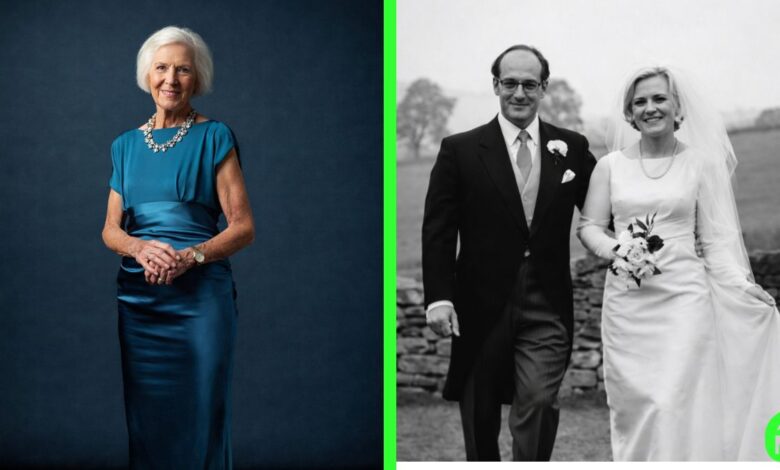
Paul Hunnings and Mary Berry married in 1966, after Hunnings reportedly proposed several times before she accepted. Their marriage predates Mary Berry’s rise to national fame, meaning their partnership was formed before public scrutiny became a factor.
Over the years, Hunnings has appeared intermittently at events and was referenced during Mary Berry’s episode of Who Do You Think You Are?, where family history took centre stage. These moments reveal a partnership grounded in mutual respect rather than performance. Mary Berry has often spoken of her husband with humour and affection, describing a dynamic where domestic roles are comfortably, even playfully, divided.
Paul J. M. Hunnings’ Role Behind the Scenes
Though he has never sought credit, Hunnings’s role behind the scenes is evident in the consistency of Mary Berry’s public life. Long television days, demanding publishing schedules, and sustained public attention require a stable private foundation.
Hunnings’ contribution is not documented through interviews or accolades, but through the absence of disruption. He represents a form of support that is structural rather than visible: managing private life, providing emotional continuity, and maintaining normalcy amid public acclaim. In biographical terms, this quiet reliability often proves more influential than overt involvement.
Family Life: Raising the Next Generation
The couple had three children: Thomas, Annabel, and William. The family experienced profound tragedy in 1989 when William was killed in a car accident. Mary Berry has spoken publicly about this loss and its lasting impact.
Hunnings’ role during this period remains private, but the family’s continued cohesion offers its own evidence. Navigating grief while maintaining family stability requires resilience and mutual support. That the family remained close, and that Mary Berry continued her work while acknowledging personal loss, speaks to a shared strength within the marriage.
Philanthropy and Community Engagement
Public records of Paul Hunnings’ individual philanthropic work are minimal. However, Mary Berry has long been associated with charitable causes, particularly those focused on education, health, and community well-being. As her partner, Hunnings has been part of this broader family culture of civic responsibility.
The absence of personal branding within this sphere is notable. Rather than attaching his name to causes, Hunnings’ involvement appears aligned with a philosophy of contribution without recognition—consistent with his overall approach to public life.
The Power of Privacy: Influence Without Publicity
Hunnings’ life illustrates how influence can exist independently of visibility. By remaining private, he has helped preserve a boundary that protects personal life from professional exposure. This boundary has arguably enabled Mary Berry’s longevity in the public eye, allowing her work to be judged on merit rather than personal narrative.
In cultural terms, this choice challenges modern assumptions that relevance requires visibility. Hunnings demonstrates an alternative model: influence exercised through stability, presence, and discretion.
Public Curiosity and Misconceptions About Paul J. M. Hunnings
Public curiosity about Hunnings often leads to misconceptions—chief among them the assumption that his low profile indicates passivity. In reality, privacy should not be conflated with absence. His consistent presence over decades suggests active engagement in family life, simply conducted away from cameras.
Another misconception is that lack of information implies secrecy. In this case, it reflects a clear, sustained choice about how to live—one respected by those around him.
Legacy and Future
As Paul Hunnings and Mary Berry enter later life together at their home in Henley-on-Thames, public discussion has naturally increased. Mary Berry has spoken openly about caring responsibilities following her husband’s fall and increasing frailty.
Hunnings’ legacy is not one of public achievement, but of personal impact. His life underscores the value of partnership built on discretion, loyalty, and mutual respect—qualities that endure beyond professional milestones.
Conclusion
Paul J. M. Hunnings occupies a rare position in modern public life: widely known by association, yet personally undocumented. This absence is not a limitation but a defining characteristic. Through a long marriage, shared grief, and unwavering support, he has shaped a private world that enabled one of Britain’s most beloved public careers.
His story reminds us that not all influence seeks recognition. Sometimes, the most enduring impact is made quietly, sustained over time, and visible only through the lives it supports.
Read this too:Eddie Kadi Net Worth: Career, Income Sources, and Financial Success of the British-Congolese Comedy Star
(FAQs)
Who is Paul J. M. Hunnings?
He is a retired antiquarian bookseller and the husband of Mary Berry.
Is Paul J. M. Hunnings a public figure?
No. He has consistently maintained a private life.
When did Paul Hunnings marry Mary Berry?
They married in 1966.
Does Paul Hunnings appear on television?
Only occasionally, and usually indirectly, such as during family-focused programmes.
What was his profession?
He worked in the antiquarian book trade, including at Harvey’s of Bristol.
Where do Paul and Mary Berry live?
They live in the Henley-on-Thames area.
Do they have children?
Yes. They had three children; two survive.
Why is so little known about Paul Hunnings?
Because he has deliberately chosen a private life.