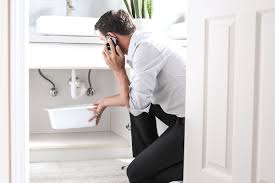
Modern homes rely heavily on well-functioning plumbing systems to provide clean water and remove wastewater safely. From the moment a homeowner turns on a faucet to when water flows down a drain, an entire network of pipes, valves, and fixtures works together to keep daily routines running smoothly. Because plumbing systems are used constantly throughout the day, even small issues can quickly turn into noticeable problems if they are not addressed early.
Many homeowners only think about their plumbing when something goes wrong. A dripping faucet, slow-draining sink, or unusually high water bill can often be the first sign that a larger issue is developing behind the scenes. Unfortunately, ignoring these early warning signs can lead to more serious complications such as water damage, mold growth, or costly repairs. What begins as a minor leak or small clog can gradually affect multiple parts of a home’s plumbing infrastructure.
Understanding the most common plumbing problems can help homeowners recognize warning signs before they escalate. Issues like leaking faucets, clogged drains, running toilets, and low water pressure are among the most frequently reported plumbing concerns in residential properties. While these problems are common, many of them are also preventable with proper maintenance and timely attention.
By learning what causes these plumbing issues and how to prevent them, homeowners can protect their property, reduce unnecessary water waste, and avoid expensive repairs. In the sections below, we will explore some of the most common plumbing problems homeowners face, explain why they occur, and provide practical tips to help prevent them from disrupting everyday life.
Understanding How Residential Plumbing Systems Work
To understand why plumbing problems occur, it helps to first understand how a typical residential plumbing system operates. Most homes rely on a network of interconnected pipes, valves, and fixtures designed to deliver clean water while safely removing wastewater. Although these systems often remain hidden behind walls and beneath floors, they play a vital role in maintaining comfort, sanitation, and daily convenience.
The Water Supply System
The water supply system is responsible for bringing fresh water into a home. This water usually comes from a municipal water supply or a private well and enters the house through a main water line. Once inside, the water travels through a network of pressurized pipes that distribute it to various fixtures such as sinks, showers, toilets, dishwashers, and washing machines.
Water pressure plays an important role in the supply system. Adequate pressure ensures that water flows efficiently through pipes and reaches fixtures throughout the home. However, excessively high pressure can strain pipes and joints over time, increasing the risk of leaks or pipe damage. Maintaining balanced water pressure is therefore essential for protecting the plumbing system.
The Drainage System
While the supply system brings clean water into the home, the drainage system carries wastewater away. Unlike the supply system, drainage pipes rely on gravity rather than pressure to move water through the system. Wastewater flows from sinks, toilets, showers, and appliances into drain pipes that eventually connect to a sewer line or septic system.
Drainage systems also include vent pipes, which allow air to enter the plumbing system and help wastewater flow smoothly. Without proper ventilation, drains can become slow or produce gurgling sounds due to trapped air in the pipes.
Plumbing Fixtures and Appliances
Fixtures and appliances are the visible components of a plumbing system that homeowners interact with daily. These include faucets, toilets, bathtubs, showers, water heaters, and kitchen appliances such as dishwashers. Each fixture is connected to both the water supply and drainage systems, allowing water to enter and exit efficiently.
Because these fixtures are used frequently, they are often the first place where plumbing problems appear. Worn seals, mineral buildup, or internal component failures can cause leaks, clogs, or inconsistent water flow. Regular maintenance and occasional inspections can help keep these components functioning properly.
When all parts of the plumbing system work together effectively, water flows smoothly throughout the home. However, when one part of the system begins to fail, it can create issues that affect other components as well. Understanding this relationship helps homeowners recognize problems early and take steps to prevent more serious plumbing failures.
1. Leaky Faucets
Leaky faucets are one of the most common plumbing problems homeowners encounter. While a small drip may seem harmless at first, it can quickly lead to wasted water, higher utility bills, and even damage to sinks or countertops if left unchecked.
What Causes Faucet Leaks
Several factors can lead to a dripping faucet:
- Worn washers or O-rings: Over time, the rubber components inside a faucet can degrade, causing water to leak even when the tap is turned off.
- Corrosion: Metal parts exposed to water for long periods may corrode, preventing the faucet from sealing properly.
- Faulty valve seats: The valve seat connects the faucet to the spout. If it becomes damaged or corroded, water can seep through.
Warning Signs of a Leaky Faucet
Homeowners may notice:
- Continuous dripping sounds
- Water pooling around the faucet base
- Higher than usual water bills
- Reduced water pressure from the fixture
Even minor leaks should not be ignored, as they can waste hundreds of gallons of water per year, depending on the severity.
How to Prevent Faucet Leaks
Preventing leaks involves a combination of regular inspections and simple maintenance:
- Check and replace worn parts: Inspect washers, O-rings, and valve seats periodically and replace them when necessary.
- Avoid excessive force: Turning the faucet handle too tightly can wear down internal components faster.
- Professional inspections: A licensed plumber can detect potential issues before they become major problems.
According to professionals at Sonoma Plumbing, early detection and repair of faucet leaks not only saves water but also prevents further damage to sinks, counters, and surrounding areas.
By addressing leaks promptly, homeowners can reduce water waste, lower their bills, and extend the life of their fixtures.
yes please
2. Clogged Drains
Clogged drains are another common plumbing problem that can disrupt daily life. Slow or blocked drains are not only inconvenient but can also lead to unpleasant odors, water damage, and, in severe cases, pipe corrosion if left untreated.
Common Causes of Drain Blockages
Drain clogs typically occur when debris accumulates and obstructs water flow. Common culprits include:
- Hair and soap buildup: Bathroom drains are particularly prone to hair and soap residue collecting inside the pipes.
- Grease and food particles: Kitchen sinks often become clogged due to grease, oil, and leftover food that solidify inside drain pipes.
- Foreign objects: Small items accidentally dropped down drains, like jewelry or children’s toys, can cause partial or complete blockages.
- Mineral deposits: Hard water can leave calcium and other mineral deposits in pipes, gradually reducing their diameter and slowing drainage.
Warning Signs of a Clogged Drain
Homeowners may notice the following symptoms:
- Water draining slowly from sinks, tubs, or showers
- Gurgling or bubbling sounds from the drain
- Unpleasant or sour odors coming from the pipes
- Water backing up into sinks or tubs
Ignoring these signs can lead to more severe plumbing issues, including overflowing fixtures or damage to pipe joints.
Prevention Tips
Preventing clogged drains involves a mix of daily habits and occasional maintenance:
- Use drain strainers: Install strainers in sinks, tubs, and showers to catch hair, food, and other debris before it enters the drain.
- Avoid pouring grease down the sink: Let cooking oils cool and dispose of them in the trash rather than the drain.
- Regular drain cleaning: Periodically flush drains with hot water or a safe, non-corrosive cleaner to remove buildup.
- Professional inspection: A plumber can perform a thorough inspection and remove blockages before they become major problems.
Homeowners dealing with persistent drain clogs often benefit from guidance from experts at Sonoma Plumbing, who can diagnose and clear stubborn blockages safely and efficiently.
By maintaining clean drains and addressing blockages promptly, homeowners can prevent water damage, eliminate odors, and keep plumbing systems running smoothly.
3. Running Toilets
A running toilet is one of the most common and noticeable plumbing issues in homes. While it might seem like a minor annoyance, a continuously running toilet can waste hundreds of gallons of water per month, increase utility bills, and signal underlying plumbing problems that need attention.
Why Toilets Keep Running
Several internal components can cause a toilet to run continuously:
- Faulty flapper valve: The flapper controls the release of water from the tank into the bowl. If it doesn’t seal properly, water continuously flows.
- Float problems: The float regulates the water level in the tank. If it’s misaligned or damaged, the tank may overfill, causing water to run into the overflow tube.
- Fill valve issues: A malfunctioning fill valve may not shut off water properly, leading to continuous running.
Impact of a Running Toilet
Even a small leak from a running toilet can waste significant amounts of water over time. This can result in:
- Higher water bills
- Wasted water resources
- Increased wear and tear on toilet components
- Potential water damage if leaks spread beyond the fixture
Prevention Methods
Preventing a running toilet involves regular inspection and maintenance:
- Check internal parts periodically: Inspect the flapper, float, and fill valve for wear and replace them when necessary.
- Adjust the float: Ensure the float is properly aligned so the water shuts off at the correct level.
- Professional assistance: If the problem persists, a licensed plumber can diagnose and repair underlying issues.
According to professionals at Sonoma Plumbing, addressing running toilets promptly prevents wasted water, lowers utility bills, and reduces the risk of more severe plumbing problems.
By staying proactive and repairing toilet issues early, homeowners can avoid unnecessary costs and maintain a properly functioning bathroom plumbing system.
4. Low Water Pressure
Low water pressure is a frustrating plumbing problem that affects multiple fixtures in a home, from showers to kitchen sinks. Reduced pressure can make daily tasks like washing dishes or taking a shower inefficient and inconvenient. Beyond inconvenience, it may also signal underlying plumbing issues that, if ignored, could lead to more serious damage.
Causes of Low Water Pressure
Several factors can contribute to low water pressure in a home:
- Pipe corrosion: Over time, metal pipes can corrode from mineral deposits, narrowing the pipe interior and restricting water flow.
- Hidden leaks: Undetected leaks in pipes reduce overall water pressure as water escapes before reaching fixtures.
- Sediment buildup: Sediment in pipes or within fixtures like showerheads can partially block water flow.
- Municipal supply issues: Sometimes, the problem originates from the city’s water supply, especially if maintenance or repair work is underway.
How to Diagnose Pressure Issues
Homeowners can check for low water pressure by:
- Testing multiple fixtures to see if the problem is localized or throughout the home
- Inspecting faucet aerators and showerheads for mineral buildup
- Noting any sudden changes in water pressure that could indicate a leak
Prevention and Maintenance Tips
- Regular pipe inspections: Checking for leaks or corrosion can prevent pressure issues from worsening.
- Cleaning aerators and showerheads: Periodically removing and cleaning these fixtures helps maintain consistent flow.
- Professional plumbing inspections: Licensed plumbers can measure water pressure, identify hidden leaks, and recommend solutions such as pipe replacement or pressure regulation.
Homeowners experiencing persistent low water pressure often benefit from expert guidance from Sonoma Plumbing, which can identify the root cause and provide long-term solutions.
Addressing low water pressure early ensures a smoother flow of water throughout the home, reduces wear on plumbing fixtures, and maintains a comfortable and efficient household.
5. Pipe Leaks
Pipe leaks are among the most serious plumbing problems homeowners can face. Unlike a dripping faucet or a running toilet, leaks inside walls or underground pipes can go unnoticed for weeks or months, causing extensive water damage, mold growth, and even structural issues if left unaddressed.
Why Pipes Develop Leaks
Pipe leaks can occur for several reasons:
- Pipe corrosion: Over time, metal pipes can corrode from exposure to water and minerals, eventually forming holes or weak spots.
- High water pressure: Excessive pressure can strain pipes and joints, causing leaks to develop.
- Freezing temperatures: In cold climates, water inside pipes can freeze and expand, leading to cracks or bursts.
- Joint or fitting damage: Poorly installed or aging joints can weaken over time, allowing water to escape.
Warning Signs of Pipe Leaks
Leaks aren’t always obvious, but homeowners may notice:
- Water stains or discoloration on walls, ceilings, or floors
- Damp or musty odors, often indicating hidden mold growth
- Unexplained increase in water bills
- Puddles or wet spots near walls, floors, or the foundation
Preventing Pipe Damage
Taking preventive measures can help homeowners avoid costly repairs:
- Insulate pipes: Especially in areas exposed to freezing temperatures, insulation prevents pipe bursts.
- Monitor water pressure: Installing a pressure regulator can help protect pipes from excessive stress.
- Routine inspections: Periodic checks by a licensed plumber can detect early leaks before they become major problems.
- Address plumbing issues promptly: Small leaks should be repaired immediately to prevent damage from spreading.
According to experts at Sonoma Plumbing, early detection and repair of pipe leaks are crucial for protecting a home’s structure, preventing mold, and avoiding costly water damage repairs.
By remaining vigilant and performing regular maintenance, homeowners can minimize the risk of pipe leaks and ensure their plumbing system operates efficiently for years to come.
Preventive Plumbing Maintenance Tips for Homeowners
Preventive maintenance is the key to avoiding costly plumbing problems and ensuring that your home’s plumbing system remains efficient and reliable. While some issues like sudden pipe bursts or municipal supply problems may be unavoidable, most common plumbing problems—such as leaks, clogs, and running toilets—can be prevented with a few proactive measures.
1. Schedule Regular Inspections
Periodic inspections by a licensed plumber help detect small problems before they escalate. Professionals can identify:
- Hidden leaks in walls or under floors
- Signs of pipe corrosion or wear
- Slow-draining or clogged pipes
- Malfunctioning fixtures like toilets or faucets
According to Sonoma Plumbing, homeowners who schedule routine inspections save money in the long term by preventing small issues from becoming major repairs.
2. Monitor Water Pressure
Maintaining balanced water pressure protects pipes, fixtures, and appliances. Installing a pressure regulator or checking your home’s water pressure periodically can help avoid:
- Burst pipes
- Worn plumbing joints
- Reduced fixture lifespan
3. Maintain Drains and Fixtures
Prevent clogs and leaks by:
- Using drain strainers in sinks and showers to catch hair and food particles
- Avoiding pouring grease or oil down the kitchen sink
- Regularly cleaning faucet aerators and showerheads to remove mineral buildup
- Checking toilet flappers and fill valves for proper operation
4. Inspect Appliances and Water Heaters
Appliances that use water, such as dishwashers, washing machines, and water heaters, should be inspected regularly. Look for:
- Leaks around connections
- Rust or corrosion on tanks and pipes
- Signs of reduced efficiency or water flow
5. Seasonal Plumbing Maintenance
Certain preventive measures should be done seasonally:
- Winter: Insulate pipes to prevent freezing and potential bursts
- Spring: Flush water heaters to remove sediment buildup
- Summer: Check outdoor faucets and irrigation systems for leaks
- Fall: Inspect drains and gutters to ensure smooth water flow
By adopting these preventive measures, homeowners can significantly reduce the risk of leaks, clogs, and other common plumbing issues. A proactive approach not only saves money but also ensures the plumbing system operates efficiently, protecting both the home and its occupants.
When to Call a Professional Plumber
While many minor plumbing problems can be addressed by homeowners, some issues require the expertise of a licensed professional. Knowing when to call a plumber can prevent further damage, reduce repair costs, and ensure the plumbing system operates safely and efficiently.
Signs You Should Contact a Plumber
- Persistent leaks: If faucets, toilets, or pipes continue to leak despite simple DIY fixes, professional inspection is necessary.
- Recurring drain clogs: Frequent clogs may indicate deeper blockages in the main sewer line or hidden pipe damage.
- Sudden drops in water pressure: If multiple fixtures are affected, it could signal a leak, corrosion, or a failing supply line.
- Pipe bursts or major water leaks: These emergencies require immediate attention to prevent water damage and mold growth.
- Water discoloration or unusual odors: Brown or cloudy water, foul smells, or sediment may indicate contamination or corrosion in pipes.
Benefits of Professional Plumbing Services
Hiring a licensed plumber ensures:
- Accurate diagnosis of complex plumbing issues
- Safe and effective repairs
- Prevention of further damage to pipes, fixtures, and the home structure
- Advice on preventive maintenance to avoid future problems
Homeowners experiencing plumbing challenges often rely on the expertise of Sonoma Plumbing, whose team of professionals can quickly identify issues and provide reliable, long-term solutions.
By calling a professional when necessary, homeowners can safeguard their property, maintain a reliable plumbing system, and avoid costly emergency repairs. Even small problems, if left unchecked, can escalate into major repairs that disrupt daily life.