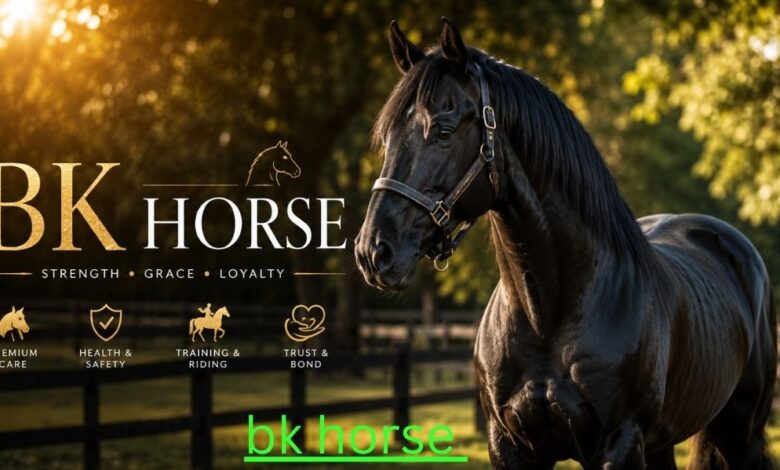
The term bk horse is an interesting phrase because it can attract different types of readers. Some people may search for it while looking for a horse-related brand, a riding page, a horse training idea, or simply content related to horses. Because the phrase is not widely recognized as an official horse breed, the safest way to understand the bk horse is to view it as a broad topic encompassing horse care, riding, training, stable management, and the special bond between humans and horses. Horses have always held an important place in human life. They have helped people travel, farm, compete, heal emotionally, and enjoy outdoor life. In modern times, horses are not only working animals; they are also companions, sports partners, therapy animals, and symbols of strength, patience, loyalty, and freedom.
What Is BK Horse?
BK horse can be understood as a keyword or phrase connected with the world of horses, rather than a single fixed definition. For many readers, it may refer to horse content, horse lovers, riding culture, horse training, or a specific online name for a horse-related page or community. This is why an article about the horse should focus on the broader meaning and values it embodies. A horse is not only an animal that people ride, but also a sensitive being with emotions, instincts, habits, and needs. To understand the horse meaningfully, one should first know what makes horses special: strong yet sensitive, powerful yet careful, independent yet capable of forming deep bonds with people. This balance makes horse care and riding rewarding.
Why People Are Interested in the BK Horse
People search for a black horse for many reasons, such as seeking pictures, riding inspiration, training ideas, lifestyle content, or information about care. The interest often comes from the natural beauty and charm of horses. A well-kept horse represents strength, discipline, freedom, and grace. Many horse lovers are drawn to the way horses move, react, and communicate without words. Horses express themselves through body language, ear movement, eye contact, breathing, posture, and behavior. Understanding these signs is vital for responsible riders and horse owners.
The Importance of Proper Horse Care
When discussing bk horse, one of the most important topics is proper horse care. A horse needs daily attention, not occasional interest. Good horse care includes clean water, balanced food, safe shelter, grooming, exercise, hoof care, dental care, and regular health checks. Horses are large animals, but they can develop minor problems if left unchecked. Poor hoof care can lead to pain and movement issues. Bad feeding habits can affect digestion and energy levels. Dirty stables can increase the risk of illness. A responsible horse owner pays attention to small changes in behavior because horses often show discomfort through subtle signs. A horse that suddenly refuses food, becomes quiet, moves differently, or reacts strongly to touch may be trying to communicate that something is wrong.
Feeding and Nutrition for a Healthy Horse
A healthy bk horse lifestyle starts with optimal nutrition. Horses are natural grazers; their digestive systems adapt to continuous forage intake. Quality hay or pasture forms dietary staples. Grain, supplements, and specialty feeds are added based on age, workload, health, and body type—but never indiscriminately. Overfeeding causes weight and health issues; underfeeding weakens strength, immunity, and performance. Clean water is essential. Constant access prevents dehydration, which can escalate rapidly. Salt and minerals support active horses, especially those sweating during training or riding.
Grooming and Stable Hygiene
Grooming is not only about making a horse look beautiful. It is also an important part of horse health and bonding. Regular grooming removes dirt, sweat, loose hair, and dust from the coat. It also helps the owner or caretaker notice cuts, swelling, skin irritation, or changes in the horse’s body. Gently brushing a horse can relax the animal and build trust between the horse and the human. Stable hygiene is just as important. A clean stable should have dry bedding, good airflow, and enough space for the horse to stand and rest comfortably. Manure and wet bedding should be removed regularly because poor stable conditions can cause breathing issues, hoof problems, and skin infections. A well-maintained stable reflects responsible care.
BK Horse and Training Basics
Training is a major part of the bk horse topic because every horse needs guidance, patience, and consistency. Good training does not depend on force or fear. It depends on clear communication, repetition, reward, and trust. Horses learn best when they feel safe and understand what is being asked of them. A young or inexperienced horse should be introduced to new things slowly. Sudden pressure, loud environments, or rough handling can create fear and resistance. Training should begin with basic groundwork, such as leading, stopping, standing calmly, responding to pressure, and respecting space. Groundwork lays the foundation for riding by teaching the horse to listen before a rider even gets on its back.
Horse Riding and Rider Responsibility
Riding a horse is thrilling, but it also demands responsibility. A rider must master balance, posture, rein control, leg cues, and timing. The aim is not to dominate the horse but to collaborate with it. An adept rider honors the horse’s comfort and physical bounds. Before riding, the tack must be carefully inspected. The saddle should fit, the bridle should not rub, and the girth should be secure without being restrictive. Riders should wear appropriate safety gear, especially a helmet. Whether riding for leisure, sport, or training, safety is paramount. A calm, confident rider helps the horse remain composed.
The Emotional Bond Between Humans and Horses
One reason people connect with bk horse content is the emotional bond horses foster. Horses are keenly observant. They detect nervousness, confidence, tension, and calm through human behavior. This makes them powerful companions for personal growth. Time spent with horses nurtures patience, emotional control, discipline, and awareness. Many people feel peaceful around horses because horses demand presence. You cannot handle a horse well if your mind wanders or your movements are careless. For this reason, horse-related activities are often associated with emotional balance and confidence-building. The bond between horse and human develops gradually, but when trust forms, it is deeply rewarding.
Common Mistakes Beginners Should Avoid
Anyone interested in a horse should also understand common beginner mistakes. One common mistake is treating a horse like a machine instead of a living animal. Horses have good days and bad days, just like people. Another mistake is rushing training. A horse that is pushed too quickly may become confused, anxious, or resistant. Poor feeding choices, irregular grooming, unsafe riding habits, and ignoring health signs are also serious mistakes. Beginners should seek guidance from experienced horse owners, trainers, or stable managers. Learning from knowledgeable people can prevent accidents and help create a better experience for both horse and rider.
Choosing the Right Horse
Choosing a horse should involve more than surface appeal. An attractive horse may be unsuitable for a rider. Temperament, age, training, health, size, and purpose outweigh color or appearance. Beginners typically require calm, seasoned, well-trained horses. Advanced riders might handle spirited or sensitive horses. Before acquisition, observe behaviors, review history, and arrange a professional health evaluation. The ideal horse aligns with the rider’s skills, objectives, and environment. A mismatched pair causes stress for both parties.
BK Horse in Modern Horse Culture
In today’s digital world, bk horse may also symbolize the online horse community. Many people share horse videos, riding clips, stable routines, grooming advice, and equine photography on social platforms. This allows more people to appreciate the beauty of horses. However, online horse content should be approached with discernment. Not every video demonstrates safe or correct handling. Some clips appear exciting but may harm the horse. Responsible horse lovers should advocate ethical riding, proper care, and thoughtful training. The most valuable horse content is not only visually appealing; it also encourages treating animals with kindness and respect.
Health, Exercise, and Regular Checkups
A healthy horse needs regular movement. Exercise keeps muscles strong, joints flexible, and the mind active. However, exercise should match the horse’s fitness level. Too much work can cause strain, while too little movement can lead to stiffness, boredom, and weight gain. Regular veterinary care is also important. Vaccinations, dental checks, deworming plans, and hoof trimming should be part of a proper care routine. A horse’s teeth continue to change over time, so dental problems can affect chewing and nutrition. Hooves also need regular attention because they carry the horse’s entire weight. A strong and healthy bk horse routine always includes prevention, not just treatment after problems appear.
Conclusion
BK horse may not have one single universal meaning, but it is a valuable keyword for exploring the wider world of horses, riding, care, training, and human connection. Horses are intelligent, sensitive, and powerful animals that deserve respect and responsible handling. Whether someone is interested in horse ownership, riding, grooming, stable life, or simply learning more about these beautiful animals, the most important lesson is the same: horses respond best to patience, kindness, consistency, and care. A well-cared-for horse can become a trusted partner, a source of confidence, and a symbol of natural beauty. Understanding bk horse in this broader way allows readers to appreciate not only the phrase itself but also the deeper relationship between humans and horses.
(FAQs)
1. What does BK horse mean?
BK horse is not widely known as one official horse breed or fixed term. It can be used as a horse-related keyword connected with horse care, riding, training, stable life, or horse lifestyle content.
2. Is the BK horse a horse breed?
No, bk horse does not appear to be a recognized horse breed. It is better understood as a general term for horses rather than a specific breed name, such as Arabian, Thoroughbred, Friesian, or Quarter Horse.
3. Why do people search for the BK horse?
People may search for bk horse to find information about horses, horse riding, horse care, horse training, horse images, or horse-related content online.
4. How should a beginner care for a horse?
A beginner should focus on clean water, quality hay or pasture, safe shelter, regular grooming, hoof care, exercise, and veterinary checkups. Horses need daily attention and should not be treated as low-maintenance animals.
5. What is most important in horse training?
The most important parts of horse training are patience, consistency, clear communication, and trust. Good training should never depend on fear or harsh treatment.
6. Can beginners ride any horse?
No. Beginners should ride a calm, experienced, and well-trained horse. A young, nervous, or highly energetic horse may be difficult and unsafe for someone without enough riding experience.
7. What should a healthy horse eat?
A healthy horse usually needs good-quality hay or pasture, fresh water, minerals, and sometimes grain or supplements, depending on age, health, and workload. Feeding should be balanced and not based on guesswork.
8. How often should a horse be groomed?
A horse should ideally be groomed regularly, especially before and after riding. Grooming helps clean the coat, improves comfort, and allows the owner to notice cuts, swelling, or skin problems early.
9. Why is hoof care important for horses?
Hoof care is essential because a horse’s hooves support its full body weight. Poor hoof care can cause pain, lameness, infection, and movement problems. Regular trimming by a skilled farrier is very important.
10. Is horse riding safe?
Horse riding can be safe when proper rules are followed. Riders should use suitable tack, wear a helmet, ride a horse matched to their skill level, and learn from experienced instructors. Safety depends on preparation, training, and respect for the horse.