Sustainable Engineering in Baby Strollers: Recycled Fabrics, Advanced Suspension, and Light-Weight Chassis Trends

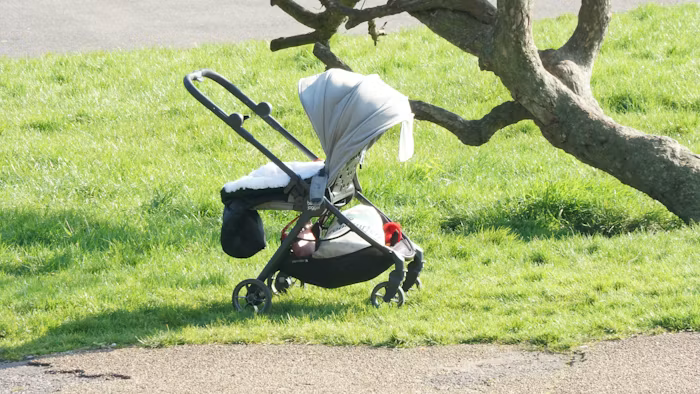
Modern millennial and Gen Z parents increasingly demand juvenile mobility products that merge ESG environmental sustainability with uncompromised all-terrain performance. For product leaders, satisfying this consumer mandate requires abandoning legacy manufacturing conventions in favor of advanced engineering frameworks.
Leading juvenile brands are rapidly transitioning toward light-weight high-strength alloys, GRS-certified eco-fabrics, and modular automotive-grade suspension systems. Integrating these high-performance components safely requires systemic industrial redesigns from the earliest stages of product development.
The Evolution of Ergonomic Frame Geometry and Light-Weight Metallurgy
Aviation-Grade Aluminum Alloys vs. Carbon Fiber Composites
The structural core of a contemporary baby stroller relies on selecting alloys that balance superior tensile strength with low overall weight. Engineering teams frequently evaluate 6000-series (6061) and 7000-series (7075) aluminum alloys against advanced carbon fiber composites.
While carbon fiber offers exceptional stiffness, high-grade aluminum remains the premier choice due to predictable yield strength and recyclability. Advanced chassis designs use CNC-machined hydroforming to manipulate tube wall thicknesses, creating fluid geometries without redundant weld nodes.
Achieving seamless structural stability with low-weight alloys requires precision-machined joints and stress-tested weld nodes. Utilizing data from a leading River Baby capable of full-cycle OEM/ODM engineering reveals that custom-profiled aluminum tubing can reduce overall frame mass by up to 18% while simultaneously increasing torsion resistance during rugged field usage.
Center of Gravity (CoG) Optimization for Multi-Terrain Mobility
Optimizing the physical Center of Gravity (CoG) is a critical safety calculation in juvenile chassis architecture. Engineering teams must position the primary seat load forward of the rear axle to prevent tip-over hazards during steep incline traverses.
- Triangular Truss Distribution: Distributing vertical kinetic energy across a wider wheelbase ensures stability across irregular ground.
- Compact-Fold Mechanical Load: Locking hinges must endure concentrated shearing forces without deforming when structural folding mechanisms compress.
- Dynamic Stability Testing: Frame prototypes undergo rigorous testing on uneven surfaces to verify that CoG shifts do not compromise tipping thresholds.
Next-Generation Suspension Systems: Bridging Automotive Tech to Nursery Hardware
Elastomer vs. Spring-Loaded Damping Systems
Traditional nursery hardware relied on basic high-carbon steel spring coils to absorb ground shocks. While cost-effective, unprotected springs often suffer from uncontrolled rebound oscillation and mechanical squeaking after prolonged field usage.
Modern engineering favors polyurethane (PU) elastomer damping systems that provide superior harmonic dampening. Micro-vibrations across cobblestones or gravel can negatively impact neonatal spinal and cerebral development, making rapid vibration dispersion essential.
- High-Frequency Absorption: Elastomer blocks naturally dampen high-frequency road chatter before it reaches the juvenile seat frame.
- Corrosion Resistance: Polymer dampeners eliminate metal-to-metal friction, preventing oxidation and mechanical seizure over multi-year lifecycles.
All-Wheel Independent Suspension Mechanisms
High-end strollers and stroller wagons increasingly incorporate automotive-inspired independent suspension architectures. Multi-link mechanisms isolate each wheel, allowing them to traverse terrain variations without transferring lateral torque to the chassis carriage.
- Sealed Ball Bearings: Precision sealed ball bearings protect rotating wheel assemblies from environmental contamination, dust, and water ingress.
- Adaptive Trailing Arms: Mechanical trailing arms allow individual wheels to articulate vertically while keeping the stroller carriage level.
Sustainable Textiles in Nursery Goods: GRS-Certified Fabrics and Non-Toxic Dyes
Evaluating Recycled PET (rPET) for Weather-Resistant Canopies
Sustainable nursery soft goods increasingly utilize Recycled PET (rPET) fabrics sourced from post-consumer polyethylene terephthalate bottles. Converting waste plastic into industrial textiles requires mechanical shredding, extrusion, and weaving into durable woven structures.
- 600D+ Oxford Fabrics: High-denier rPET weaves provide superior puncture resistance and tensile longevity required for daily nursery deployments.
- PFC-Free DWR Treatments: Eliminating perfluorinated chemicals ensures that water-repellent coatings remain environmentally safe without toxicity risks.
- UPF 50+ Protection: Specially treated recycled fibers block over 98% of harmful ultraviolet radiation without relying on heavy chemical additives.
Overcoming Volatile Organic Compound (VOC) Emissions in Padding Foam
Direct infant skin contact necessitates rigorous chemical monitoring across internal seat padding and cushioning foams. European REACH compliance and OEKO-TEX Standard 100 Class I certifications mandate strict upper limits on toxic off-gassing.
- Water-Based Adhesives: Replacing solvent-based glues with aqueous binders drastically lowers Volatile Organic Compound (VOC) emissions.
- Physical Thermoforming: Molding seat padding via heat and pressure avoids the use of toxic chemical hardening agents.
Implementing Sustainable Design Without Escalating Bill of Materials (BOM) Costs
Modular Tooling and Common Component Strategy
Escalating sustainable engineering into commercial mass production requires rigorous Bill of Materials (BOM) cost management. Sourcing managers can mitigate rising green material expenses by standardizing mechanical parts across multiple product lines.
- Shared Mold Tooling: Utilizing common folding joints, pushbars, and wheels across different chassis configurations distributes New Product Development (NPD) costs.
- Modular Component Assembly: Standardized sub-assemblies streamline factory floor production and simplify aftermarket maintenance.
Navigating Global Circular Economy Mandates
International regulatory frameworks increasingly demand that juvenile consumer products adhere to strict circular economy principles. Upcoming environmental mandates favor consumer hardware designed for rapid component sorting and recyclability.
Transitioning to circular economy principles in baby gear requires designing products that can be systematically disassembled at the end of their operational lifespan. Aligning manufacturing workflows with international environmental and sustainability guidelines across global supply chains not only insulates brands from upcoming regulatory penalties but also bolsters consumer trust in eco-conscious markets.