Key Highlights
- Identify the most common high-touch surfaces that harbour bacteria and viruses.
- Understand the “clean then disinfect” two-step process used by professionals.
- Learn about the importance of dwell time for disinfectants to work effectively.
- See how professional tools like microfibre cloths prevent cross-contamination.
Is Your Home Truly as Clean as It Looks?
Let’s be honest: when you look around your living room after a quick tidy-up, it looks pristine, right? The surfaces are dust-free, the floor is vacuumed, and everything is in its place. But have you ever stopped to wonder what might be lurking on the surfaces you touch dozens of times a day?
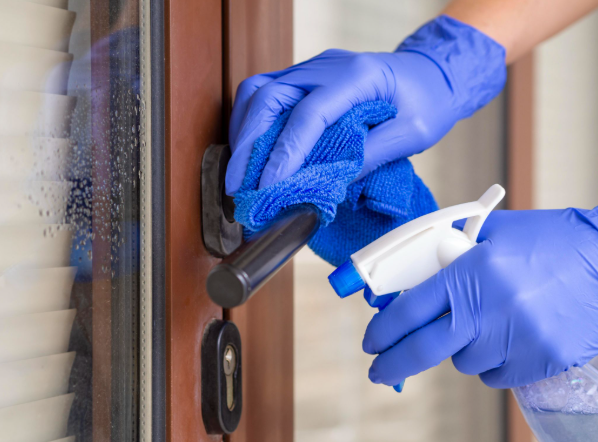
In the hustle and bustle of life here, the focus of house cleaning services in Singapore has shifted significantly toward genuine sanitisation. It’s not just about aesthetics anymore; it’s about biological health. High-touch areas—those magnets for germs like doorknobs, light switches, and remote controls—are the true frontline of home hygiene. In our high-density living environment, germs don’t just stay put; they travel. A professional home cleaning service in SG does more than just wipe away dust. We employ science-backed methods to transform your living space from a potential germ reservoir into a safe, sanitised sanctuary. Why take chances with your family’s health when precision cleaning is an option?
The Science of Clean: Why Scrubbing Alone Isn’t Enough
One of the most frequent misconceptions we encounter is that spraying and wiping is enough. But have you ever considered the invisible barrier of grime between your disinfectant and the surface?
Professional house cleaning services in Singapore rely on a rigorous two-step process: cleaning followed by disinfection. Think of it like this: if you were to apply a bandage over a dirty wound, does it help? Of course not. Similarly, dirt and organic matter (the oils from our hands, kitchen grease, food particles) act as a shield, protecting pathogens from chemical cleaners.
- Step One (Cleaning) – We use a detergent-based cleaner to break down grease, grime, and debris. This step removes the hiding spots for bacteria.
- Step Two (Disinfection) – Only after the surface is physically clean do we apply a hospital-grade disinfectant.
By removing the grime first, the sanitising agent makes direct, unobstructed contact with the surface. This isn’t just cleaning; it’s tactical hygiene. It’s the difference between masking the problem and actually solving it.
Defending Your Home: How We Keep Germs from Travelling
Have you ever worried that a cloth used to wipe a bathroom tap might end up on your kitchen counter? It’s a terrifying thought, but it’s a reality in many households.
To maintain ironclad hygiene, our team employs strict cross-contamination protocols. The cornerstone of this strategy? Colour-coded microfibre cloths.
- Bathroom Zone – Red cloths (always kept separate).
- Kitchen Zone – Blue cloths.
- General Living Area – Yellow or Green cloths.
Why microfibre? Because traditional cotton cloths often just push germs around rather than picking them up. Microfibre, on the other hand, acts like a magnet. Its tiny, split fibres trap bacteria, allergens, and dust, pulling them off the surface and into the cloth where they belong. By combining these advanced tools with rigorous protocol, we ensure that germs are not relocated from one room to another. We aren’t just cleaning; we are containing.
The Secret Weapon: Why ‘Waiting’ is the Key to Sanitisation
We’ve all seen it: the spray-and-wipe method. You spray a cleaner, you wipe it off instantly, and you assume the germs are dead. But are they?
The truth is, chemical sanitisation requires time—what we call dwell time. A professional home cleaning service in SG knows that every disinfectant requires a specific period to stay wet on a surface to kill pathogens. This can range anywhere from 30 seconds to 10 full minutes. If you wipe it away before that time is up, you’re just wasting your cleaning product and leaving the germs to thrive.
We are trained to follow these manufacturer instructions to the letter. It’s about patience and procedure. Do you really want to trust the health of your home to a rushed wipe-down, or would you prefer a methodical process that ensures maximum bacterial reduction?
Beyond the Obvious: Reaching the ‘Hidden’ Germ Hotspots
While doorknobs and light switches are the usual suspects, are you sure you’ve covered everything? When we perform a deep clean, we look for the overlooked zones—the places your hands touch that you don’t even register.
- Kitchen Appliances – Handles on the microwave, toaster, fridge, and oven are heavy-traffic zones that often get missed.
- Cabinet Hardware – The undersides of drawer pulls and cabinet handles harbour oil and bacteria.
- Digital Hubs – Tablets, game controllers, keyboards, and phone cases are rarely cleaned, yet they are touched hundreds of times daily.
- Sanitary Fixtures – Flush levers and soap dispenser buttons are critical high-touch points that require specialised disinfection.
By providing a 360-degree sweep of these frequently used items, we create a truly safer environment for your family. It’s about being proactive rather than reactive.
Investing in Your Home’s Health
Effective sanitisation isn’t a chore; it’s a precision task that requires the right knowledge, professional-grade products, and disciplined techniques. By employing a rigorous two-step process, respecting necessary dwell times, preventing cross-contamination with advanced tools, and focusing on those often-ignored hidden zones, professional cleaning services provide a level of protection that far exceeds simple aesthetic appeal.
In our bustling, tropical Singapore environment, these professional interventions are essential for maintaining a healthy home ecosystem. Investing in a professional service isn’t just about paying for a clean house; it’s about investing in the safety, well-being, and peace of mind for you and your loved ones.
Frequently Asked Questions
Is a professional cleaning service safer than cleaning it myself?
While you are capable of cleaning your home, professional services bring hospital-grade disinfectants, expert knowledge of dwell times, and standardised protocols that ensure consistent, reliable results across every square inch of your home.
Are the cleaning products safe for pets and children?
Absolutely. We prioritise the use of safe, high-efficacy products and strictly follow dilution guidelines to ensure that while germs are eliminated, your family members—furry or otherwise—remain safe.
Why is microfibre better than a regular rag?
Regular rags tend to move dirt around. Microfibre is engineered to trap microscopic particles, allergens, and bacteria within its fibres, effectively removing them from your surfaces rather than just redistributing them.
Can you really sanitise my electronic devices?
Yes, we use specialised, safe methods and materials for electronics that avoid moisture damage while effectively removing the bacteria that accumulate on phones, tablets, and controllers.
How often should high-touch areas be sanitised?
In a busy Singapore household, sanitising high-touch areas should ideally happen daily. However, even a weekly deep-cleaning visit from a professional service provides a significant “reset” for your home’s hygiene levels.
Your home should be your sanctuary. Protect your family with a deeper, more scientific level of cleanliness. Contact G Journey Services to book your next home cleaning service in SG and ensure every corner is truly sanitised.