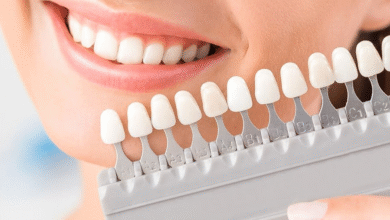
Healthy teeth are not only shaped by dental appointments. Everyday habits also play a major part in how strong, clean and bright a smile remains over time. Some actions may seem harmless, but repeated daily they can lead to staining, chips, tooth wear, decay and gum problems.
For people considering Composite Bonding Middlesbrough, it is especially useful to understand these habits first. Composite bonding can improve the shape and appearance of selected teeth, but it still needs good daily care to stay looking its best.
For readers exploring cosmetic dental options, westmountdentalsurgery.co.uk is a useful starting point before discussing treatment suitability and expected results with a dentist.
Here are five common habits that can harm teeth, along with practical ways to stop them.
1. Brushing too hard
Brushing twice a day is important, but brushing with too much force can do more harm than good. A hard toothbrush or strong scrubbing motion may wear down the enamel over time. It can also irritate the gums, causing them to recede and expose sensitive parts of the teeth.
Enamel is the protective outer layer of each tooth. Once it has worn away, it does not grow back. This can make teeth look less smooth, feel more sensitive and become more likely to stain.
Hard brushing may also affect cosmetic dental work. Composite resin is polished to create a smooth surface, but harsh brushing may gradually reduce its shine.
How to stop
A gentler routine can make a real difference:
- Use a soft-bristled toothbrush.
- Hold the brush at a slight angle towards the gumline.
- Use small circular movements rather than heavy back-and-forth scrubbing.
- Choose fluoride toothpaste to help protect enamel.
- Replace a toothbrush when the bristles start to bend or spread.
A good clean should not leave the gums sore or bleeding. If that happens often, a dentist or hygienist should assess the brushing technique and gum health.
2. Snacking on sugary foods and drinks throughout the day
Frequent sugary snacks, fizzy drinks and sweetened coffees can expose teeth to repeated acid attacks. Bacteria in plaque feed on sugar and produce acids that weaken enamel. Over time, this raises the risk of tooth decay.
It is not only sweets that can be a problem. Sugary drinks, biscuits, flavoured yoghurts, dried fruit and regular sipping on sweet drinks can all add to the issue. Acidic drinks, including fizzy drinks and some fruit juices, may also soften enamel.
The concern is often how frequently teeth are exposed, rather than one single treat. Constant grazing gives the mouth less time to recover between acid attacks.
How to stop
Small changes can lower the risk:
- Keep sugary foods and drinks mainly to mealtimes.
- Choose water between meals where possible.
- Avoid slowly sipping fizzy drinks over several hours.
- Try sugar-free gum after meals if brushing is not possible.
- Wait around 30 minutes after acidic food or drink before brushing, as enamel may be softer straight afterwards.
People thinking about Composite Bonding Middlesbrough should remember that bonding does not prevent decay. The natural tooth around and behind the composite still needs protection.
3. Using teeth as tools
Many people use their teeth to tear open packaging, bite thread, hold hair grips, crack nuts or open bottle caps. These actions place pressure on teeth in ways they were not designed to handle.
Front teeth are particularly at risk because they are often used for these tasks. A sudden force can chip enamel, crack a tooth or damage an existing filling or bonding. Even a small chip can change the way a tooth looks and feels.
Composite bonding may be used to repair some small chips or reshape a damaged edge, depending on the condition of the tooth. However, preventing the damage in the first place is always the better option.
How to stop
Keeping simple tools nearby can reduce temptation:
- Use scissors for packets, tags and thread.
- Use a bottle opener rather than teeth.
- Keep nail clippers handy instead of biting nails.
- Avoid holding objects between the teeth when hands are full.
A tooth is strong, but it is not a replacement for everyday tools.
4. Grinding or clenching teeth
Teeth grinding, also called bruxism, often happens during sleep, although some people clench their teeth during the day when stressed or concentrating. It can place high pressure on the teeth and jaw muscles.
Over time, grinding may lead to:
- Flattened or worn tooth edges
- Cracks or chips
- Jaw tension and headaches
- Sensitive teeth
- Damage to fillings, crowns or composite restorations
Grinding can be especially important for anyone considering cosmetic treatment. Composite bonding is often suitable for minor changes to tooth shape, chips, gaps or uneven edges, but strong grinding forces may affect how long the restoration lasts.
How to stop
A person who notices signs of grinding should arrange a dental assessment. A dentist can check for wear patterns, cracks and bite concerns. In some cases, a custom-made night guard may be advised to help protect the teeth during sleep.
Stress management may also help with daytime clenching. Short breaks, breathing exercises and being aware of jaw posture can reduce unnecessary pressure. At rest, the teeth should usually be slightly apart rather than tightly together.
For more information about the assessment process for composite bonding, readers can visit westmountdentalsurgery.co.uk.
5. Skipping flossing and dental check-ups
Brushing cleans the front, back and biting surfaces of teeth, but it cannot fully clean the tight spaces between them. Plaque and food debris can build up in these areas, increasing the risk of gum disease and decay between the teeth.
Gum problems may begin quietly. Bleeding when brushing, swollen gums, bad breath or tenderness should not be ignored. Healthy gums are important before any cosmetic dental work is considered.
Skipping check-ups can also allow small problems to become larger ones. A dentist may spot early decay, gum inflammation, worn teeth or damaged restorations before they become more difficult to manage.
How to stop
A simple routine is often the most effective:
- Brush twice a day with fluoride toothpaste.
- Clean between the teeth once a day with floss or interdental brushes.
- Attend dental check-ups at the interval advised by the dentist.
- Arrange hygienist visits if recommended.
- Seek advice if gums bleed regularly, teeth feel sensitive or a restoration feels rough.
Protecting Teeth Before Cosmetic Treatment
Composite bonding is a tooth-coloured treatment that can be shaped directly onto a tooth to improve its appearance or restore a small amount of lost structure. It may be considered for selected concerns such as minor chips, small gaps, uneven edges, localised discolouration or changes in tooth shape.
However, it is not the right choice for every situation. Teeth and gums need to be healthy, and problems such as active decay, untreated gum disease or major tooth damage may need treatment first. People with significant grinding, bite concerns or severe structural damage may need a different approach.
A consultation for Composite Bonding Middlesbrough should include an individual assessment of the teeth, gums, bite and cosmetic goals. This helps ensure that any treatment plan is practical, safe and suited to the person’s needs.
Final Thoughts
Daily habits can either protect a smile or slowly damage it. Brushing too hard, snacking on sugar, using teeth as tools, grinding and skipping cleaning between teeth are all common issues that can affect dental health.
The positive news is that most of these habits can be changed with simple steps. Gentle brushing, smarter food choices, regular cleaning and early dental advice can help preserve natural teeth and support the appearance of any future cosmetic treatment.