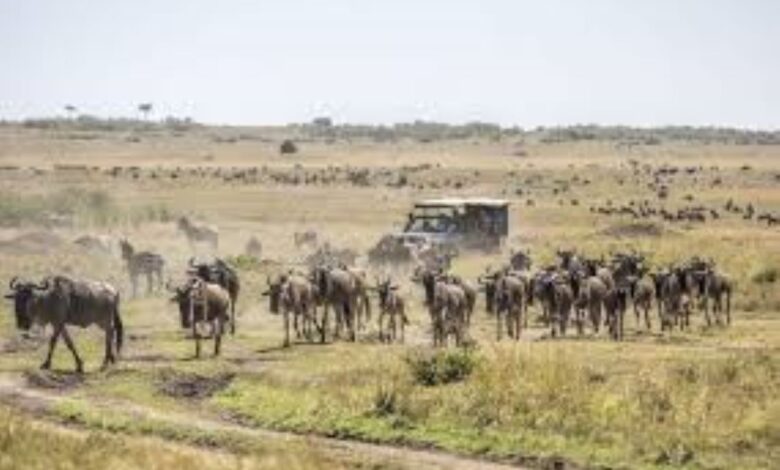
The Masai Mara is one of Africa’s most famous wildlife destinations and a highlight of many African safari tours and Kenya safari tours. Located in southwestern Kenya, the iconic Maasai Mara National Reserve is known for its abundant wildlife, vast savannah landscapes, and the spectacular Great Migration.
While the Masai Mara can be visited throughout the year, certain months offer better wildlife viewing, weather conditions, and unique safari experiences. Understanding the seasons can help you plan the perfect safari adventure.
July to October – Great Migration Season
The period from July to October is widely considered the best time to visit the Masai Mara. During these months, millions of wildebeest, zebras, and gazelles migrate from Tanzania’s Serengeti National Park into the Maasai Mara in search of fresh grazing land.
This incredible natural phenomenon, known as the Great Migration, is one of the world’s greatest wildlife spectacles.
Highlights include:
- Dramatic Mara River crossings
- Large concentrations of wildlife
- Exceptional predator sightings
- Ideal weather for safaris
Because of these unique experiences, many travelers book Kenya safari tours specifically during migration season.
January to February – Excellent Wildlife Viewing
The months of January and February are also excellent for visiting the Masai Mara. These months fall within the dry season, making it easier to spot wildlife because animals gather near water sources.
Vegetation is thinner, which improves visibility for game drives.
Highlights include:
- Fewer tourists compared to migration season
- Great predator sightings
- Clear skies and warm weather
- Excellent photography opportunities
Many safari travelers choose this period for quieter and more exclusive African safari tours.
March to May – Green Season
From March to May, the Masai Mara experiences its long rainy season. Although wildlife viewing may be slightly more challenging due to thicker vegetation, this time offers stunning scenery.
Highlights include:
- Lush green landscapes
- Fewer visitors and quieter parks
- Lower safari prices
- Excellent birdwatching opportunities
For budget travelers, this season offers great deals on Kenya safari tours.
June – Start of the Dry Season
June marks the transition from the rainy season to the dry season in the Masai Mara. The landscape begins to dry, and animals become easier to locate.
Highlights include:
- Pleasant weather
- Increasing wildlife activity
- Beginning of peak safari season
This is a great time for travelers looking to experience African safari tours before the migration crowds arrive.
November to December – Short Rains
The short rainy season occurs between November and December. Rain usually falls in brief showers, often leaving plenty of time for safari activities.
Highlights include:
- Beautiful green landscapes
- Migratory birds arrive
- Fewer tourists
- Good safari deals
This period is ideal for travelers who prefer quieter Kenya safari tours with fewer crowds.
Quick Guide: Best Months for Masai Mara Safaris
Peak Safari Season
July – October
Great Migration and river crossings
Dry Season
January – February
Excellent wildlife viewing
Green Season
March – May
Lush landscapes and fewer crowds
Early Dry Season
June
Good wildlife viewing
Short Rains
November – December
Quiet parks and birdwatching
Final Thoughts
The Maasai Mara National Reserve is a year-round safari destination, but the best time to visit depends on what you want to experience. If witnessing the Great Migration is your dream, plan your trip between July and October. For quieter wildlife viewing and pleasant weather, January and February are also fantastic options.
Whether you are seeking thrilling wildlife encounters, breathtaking landscapes, or luxury safari experiences, the Masai Mara remains one of the top destinations for unforgettable African safari tours and expertly designed Kenya safari tours.