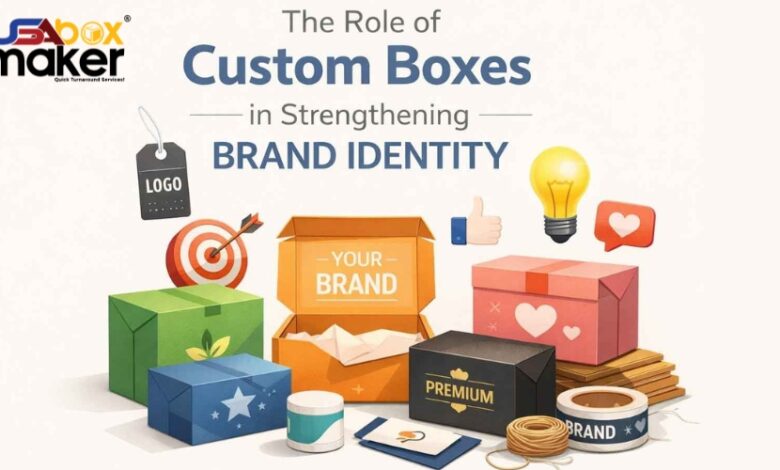
In today’s busy market, it is not enough for a product to be good. Customers want an experience, and that experience often starts with your Custom Boxes. The right box does more than hold your product. It will present your brand, make a good first impression, and get people to pay attention to you.
Sophisticated brands understand that a packaging box goes beyond a box. They narrate a story about your brand due to colors, figures, and design. A good box contains the product and creates a feeling of trust and anticipation in customers to open it. It creates a memorable effect, making people return twice. We will explore why custom boxes are essential for building a strong brand.
Stand Out with Unique Packaging
An excellent brand is well recognized. Unique packaging makes products stand out. It is the odd colors and bright designs that will make your brand become visible and appealing to people.
Custom boxes also help showcase your brand. A plain, neat box is good for fancy products. Bright and fun boxes are great for young or playful brands. Good Packaging Boxes tell a story about your brand. They make your product memorable, so customers can easily recognize and remember it.
Showcase Your Brand Values
The packaging you have is a direct manifestation of your brand’s values. Branded boxes can help you showcase your brand passion.Your logo, colors, and design reflect your brand’s mission. Displaying values like quality, eco-friendliness, or innovation on the box helps customers connect with your brand.
Good, durable printed boxes will present your brand as upright and reliable. They inform people what your brand is even before they unwrap the product.
Make Unboxing Memorable
The unboxing experience is an activity that generates emotional interaction. It is after this that Custom Packaging Boxes are used to make a mere delivery a memorable moment. When you open a product, a well-designed, well-organized box may be interesting. The innovative design and details are pleasing and impressive to customers.
Surprises can be added to the brand by the brands themselves, such as branded tissue papers, little gifts, or notes inside individual boxes. Such small gestures help the customers feel special and thrilled. They can even post an unboxing video on social media to get more people to notice your brand. Unboxing fun helps customers remember your product and brings them closer to your brand.
Build Loyalty and Trust
Trust is built through consistent quality and detail. On-demand packaging demonstrates that your brand is concerned about the customer from the very beginning. Quality packaging is reliable, and the consumers of their products are assured of what they are getting.
There is a high chance that customers who receive consideration in Custom Packaging will return. Good packaging shows you care and delights customers. It builds loyalty, encourages repeat purchases, and spreads positive word of mouth. Consistent, visible branding strengthens recognition.
Boost Brand Recognition
By wrapping your products in greener materials, you are sending a message to all that your brand cares about the earth. It is also a means of creating a perception of your brand’s responsibility and trustworthiness.
When your boxes are always in the same colors, logo, and style, people will easily know your brand. Green materials can make your brand visible and memorable to customers. With time, your packaging will become part of your brand that people will never overlook or doubt.
Turn Boxes into Marketing Tools
Your box can be a marketing tool. Add QR codes, social links, or your website to connect with customers. They will learn more about your brand and stay in touch.
Nice boxes also cause one to share. Customers can share online or take pictures when they’re having fun or holding a pretty box. This will make more people notice and recollect your brand. This organic marketing is a boost to your marketing without any extra expense. Promotional strategy is the continuation of each packaging box.
Connect Emotionally with Customers
Strong brands develop emotional associations with their audience. Careful design and packaging additions contribute to the creation of this connection. Limited-edition inserts make customers feel valued. Custom Cardboard Boxes create memorable experiences and build repeat buyers. One component of that impression is well-designed packaging.
Conclusion
Your choice of modified package boxes goes beyond simply putting your product in a container. It shows that your brand is quality-related, detail-oriented, and focused on a positive customer experience. A robust box makes your product look special and exciting. It also creates a good first impression, and customers feel happy upon opening it.
Attractive packaging leaves people with memories about your brand and makes them believe in it. When customers feel they are being taken care of, they are more likely to purchase again, make repeat purchases, and even refer others to your brand. Your brand is unique by innovative and intelligent packaging. It makes a permanent impression and becomes stronger with time.