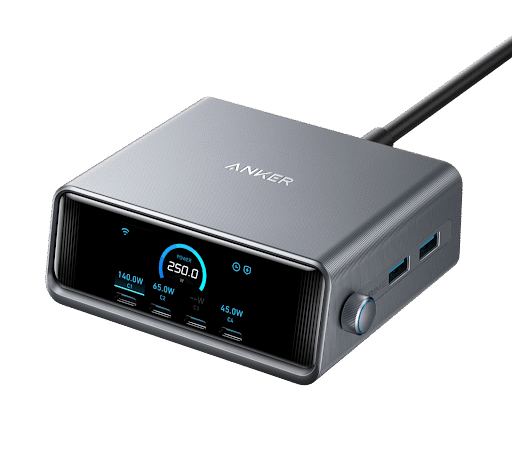
In today’s digital world, smartphones and laptops have become essential tools for communication, work, and entertainment. Devices like the iPhone and MacBook are widely used because of their reliability, performance, and sleek design. However, to keep these devices running smoothly, having the right charging accessories is extremely important. Choosing the correct iphone charger and macbook charger not only improves charging speed but also helps protect your devices from damage.
This guide will explain everything you need to know about selecting the right chargers, maintaining battery health, and ensuring safe and efficient charging for your Apple devices.
Why Choosing the Right Charger Matters
Many people underestimate the importance of using a high-quality charger. While it might seem convenient to use any charger available, using the wrong one can lead to several issues such as slow charging, overheating, or even battery damage.
An authentic or certified iphone charger ensures that your device receives the correct voltage and current. Apple devices are designed to work best with compatible accessories that follow proper safety standards. Cheap or low-quality chargers often fail to regulate power correctly, which can harm your phone’s battery over time.
Similarly, a reliable macbook charger is crucial for maintaining your laptop’s performance. MacBooks require higher power compared to smartphones, and using an incompatible charger can lead to slow charging or insufficient power delivery.
Understanding Different Types of iPhone Chargers
Over the years, Apple has introduced different types of charging options for the iPhone. The most common one is the Lightning cable paired with a power adapter. This combination has been used in many iPhone models and is known for its reliable performance.
Modern iPhones also support fast charging when paired with a compatible power adapter and cable. A high-quality iphone charger designed for fast charging can significantly reduce the time required to charge your phone. Instead of waiting several hours, your device can reach a substantial battery level much faster.
Wireless charging is another popular option. Many newer iPhone models support wireless charging through Qi-compatible charging pads. While this method may be slightly slower than wired charging, it offers convenience and reduces cable clutter.
Features to Look for in a Good iPhone Charger
When purchasing an iphone charger, there are several features you should consider to ensure safety and performance.
First, compatibility is essential. Always choose a charger designed specifically for your iPhone model or one that supports Apple devices. Certified accessories are more reliable and are tested for safety standards.
Second, consider charging speed. Fast-charging adapters can save a lot of time, especially for people who use their phones frequently throughout the day.
Third, look for durable materials. High-quality cables with reinforced connectors last longer and resist bending or breaking.
Lastly, safety features such as overheating protection and voltage regulation help protect your device during charging.
Understanding MacBook Chargers and Power Requirements
Unlike smartphones, laptops require significantly more power to operate and charge. MacBooks come with different power adapters depending on the model and screen size. For example, smaller MacBook models typically require lower wattage adapters, while larger models require more powerful ones.
A proper macbook charger delivers the required wattage to keep the laptop powered while also charging the battery efficiently. Using an underpowered charger may cause slow charging or even prevent the laptop from charging while in use.
Apple’s newer MacBook models use USB-C charging technology. This allows for faster charging and improved power delivery compared to older magnetic connectors. USB-C also provides versatility, as it can be used with compatible third-party chargers that meet power requirements.
Benefits of Using the Correct MacBook Charger
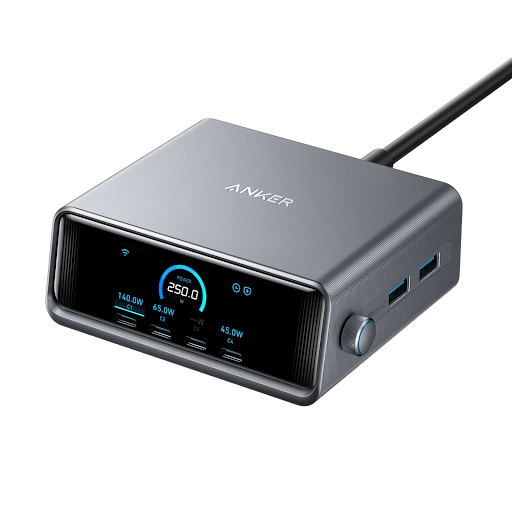
Using the right macbook charger provides several advantages. First, it ensures efficient power delivery so that your laptop charges quickly and safely. This is especially important for professionals and students who rely on their laptops for daily tasks.
Second, proper chargers help protect the internal battery and charging circuits. Over time, using incompatible accessories can reduce battery lifespan and lead to performance issues.
Third, a high-quality charger improves portability and reliability. Many modern chargers are designed to be lightweight and compact, making them easy to carry during travel or work.
Tips for Maintaining Battery Health
Even with a high-quality iphone charger or macbook charger, proper charging habits are important for maintaining battery health.
Avoid letting your battery drop to extremely low levels frequently. Lithium-ion batteries perform best when kept between moderate charge levels. Regularly charging your devices before they reach very low battery percentages can help extend battery life.
It is also important to avoid overheating. Charging your device in a cool, well-ventilated environment helps prevent unnecessary heat buildup.
Another useful tip is to unplug your device once it reaches a full charge if possible. While modern devices include smart charging features, minimizing extended periods of charging can still benefit battery longevity.
Common Charging Problems and How to Solve Them
Sometimes users experience charging issues even when using the correct charger. These problems can often be solved with simple troubleshooting steps.
If your iphone charger is not working properly, first check the cable and adapter for visible damage. Dust or debris in the charging port can also prevent proper connection, so cleaning the port carefully may resolve the issue.
For MacBooks, charging problems can occur if the macbook charger is not delivering enough power. Make sure the charger’s wattage matches the requirements of your MacBook model. Restarting the device or updating the operating system can also help fix minor charging issues.
The Future of Charging Technology
Charging technology continues to evolve rapidly. Fast-charging standards are becoming more efficient, allowing devices to recharge in shorter periods. Wireless charging is also improving, offering greater convenience for everyday use.
For laptops, USB-C technology has become a universal solution that simplifies charging across multiple devices. In the future, we can expect even more advanced solutions that provide faster, safer, and more energy-efficient charging.
Conclusion
Choosing the right charging accessories is essential for maintaining the performance and longevity of your devices. A reliable iphone charger ensures your smartphone charges quickly and safely, while a compatible macbook charger provides the power your laptop needs for daily tasks.
By investing in high-quality chargers and following proper charging habits, you can protect your devices, extend battery life, and enjoy a smoother user experience. Whether you use your iPhone for communication or your MacBook for work and productivity, the right charger plays a key role in keeping your devices powered and ready whenever you need them.