There is a common idea that style and comfort exist on opposite ends of a spectrum; that to look polished and put-together, you must endure a certain degree of suffering. Tight waistbands, pinching heels, scratchy fabrics. The good news is that this simply does not have to be the case. Looking good and feeling comfortable are not opposing forces. In fact, the most effortlessly stylish people tend to be those who have mastered both at once.
Why Comfort Should Never Be an Afterthought
Comfort has a direct effect on how you carry yourself. When you feel physically at ease, you stand taller, move more freely, and project a natural confidence that no outfit alone can manufacture. Discomfort, on the other hand, is written all over the body. Shifting constantly, wincing with each step, or tugging at clothing throughout the day all undermine the polished image you are trying to create.
Thinking of comfort as a foundation rather than a compromise is a helpful shift in perspective. When your basics feel right, everything built on top of them looks better too.
Start From the Ground Up: The Importance of Footwear
It sounds obvious, yet it is one of the most overlooked aspects of getting dressed. Your feet carry you through the entire day, and if they are unhappy, everything else suffers. Footwear that fits well and supports the foot properly makes a remarkable difference to your posture, your energy levels, and your overall sense of wellbeing.
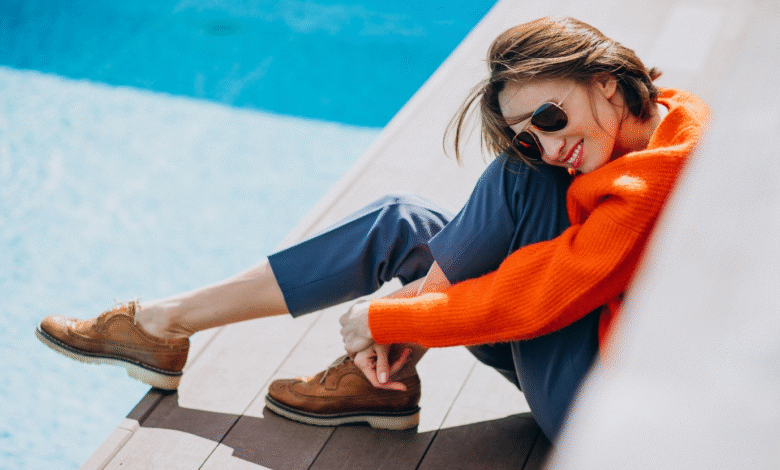
Fortunately, the idea that comfortable shoes are frumpy shoes is well and truly outdated. There is a wonderful range of women’s comfortable shoes available today that combine genuine support with genuinely attractive design. Whether you are heading to the office, meeting friends for lunch, or simply running errands around town, you no longer have to choose between looking smart and feeling good on your feet.
When selecting footwear, look for styles with cushioned insoles, a supportive sole, and enough room for your toes to sit naturally. Low block heels, well-made loafers, and supportive ballet flats are all excellent starting points for building a collection that covers different occasions without compromising on comfort.
Choose Fabrics That Work With You
The fabric of an item makes an enormous difference to how you feel throughout the day. Natural materials such as cotton, linen, merino wool, and silk tend to breathe well and move with the body in a way that synthetic alternatives often do not. They are generally kinder to skin, more temperature-regulating, and more forgiving across long days.
This does not mean avoiding all man-made fibres. A well-constructed jersey fabric or a quality viscose blend can be wonderfully comfortable. The key is to pay attention to how a fabric feels against your skin before committing to it, rather than being guided solely by how it looks on a hanger.
Embrace Fit Over Fashion
Clothes that fit well are an instant style upgrade, regardless of their price or brand. A perfectly fitted pair of trousers will always look more elegant than an expensive pair that bags or pulls in the wrong places. The same is true for tops, dresses, and outerwear.
Good fit also tends to mean greater comfort. When clothing is cut to suit your proportions, it moves with you rather than against you. Hemlines stay where they should, sleeves do not creep up, and necklines remain in place throughout the day. If you find a style you love but the fit is slightly off, it is worth having it adjusted by a local tailor. Small alterations can make a significant difference.
Build a Considered Wardrobe
Chasing every new trend tends to result in a wardrobe full of pieces that do not quite work together. A more satisfying approach is to build a smaller, thoughtful collection of items you genuinely love and reach for regularly. This is often described as a capsule wardrobe, and it is a wonderful foundation for looking good every day without the daily stress of having nothing to wear.
If you are working on building a more intentional wardrobe, it helps to start with a clear-out and a clear idea of your personal style. When every item in your wardrobe earns its place, getting dressed in the morning becomes a pleasure rather than a chore.
Colour, Occasion, and Confidence
The colours you wear have a genuine effect on how you feel and how you carry yourself. You do not need a formal colour consultation to work this out. Simply notice which tones draw compliments and which leave you looking flat, and build from there. Neutral shades are endlessly versatile, and adding colour through accessories or a single statement piece is a low-effort route to a well-considered look.
Dressing appropriately for different occasions also takes the anxiety out of getting dressed. Understanding a dress code means you arrive feeling right for the room rather than conspicuously over or underdressed. More importantly, the best personal style is not borrowed from a magazine. It is built gradually, through knowing what you love, what flatters you, and what makes you feel ready to take on the day.
There is a well-established connection between how we dress and how we feel about ourselves. When you choose something you like, wear shoes that support you properly, and dress in a way that reflects who you are, it sets a positive tone from the moment you step out the door. The art of looking good while feeling comfortable is really just the art of knowing yourself a little better, and once you find that sweet spot, you will wonder why it ever felt like a compromise.