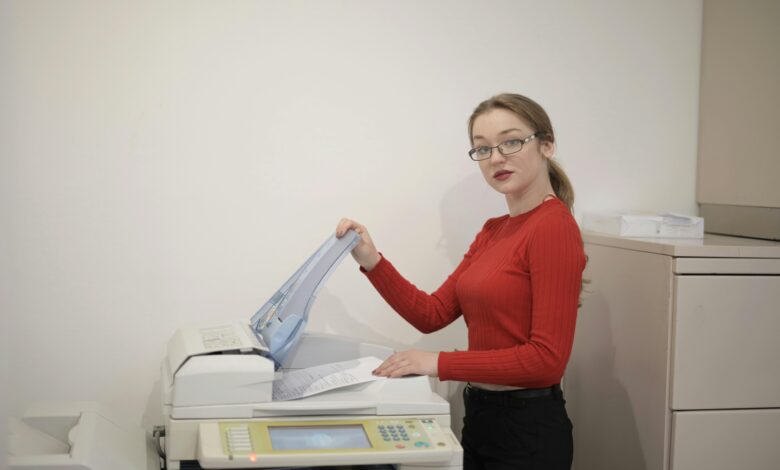
Copier paper is one of the most used consumables in any UK school. Even with increased use of digital platforms, printed worksheets, assessments, letters home and revision materials remain part of daily school life. For office managers and school business leaders, managing copier paper effectively is essential for both cost control and operational efficiency.Large primary schools and secondary schools can go through dozens of reams each week. Without proper planning, this can quickly impact budgets. Understanding usage patterns and choosing the right supplier can help schools avoid unnecessary expense and disruption.
What to Look for When Buying Copier Paper Schools
When sourcing Copier Paper Schools, there are several practical considerations beyond price. Paper weight, brightness, compatibility with machines and environmental credentials all matter.
Most UK schools use 80gsm A4 paper as standard for everyday printing and copying. It offers a good balance between durability and cost. Paper that is too thin can cause show through, particularly when printing double sided documents. Heavier paper may be suitable for certificates, reports or display materials but is often unnecessary for daily use.
Machine compatibility is another key factor. Schools typically operate high volume photocopiers and printers. Low quality paper can lead to paper jams, wasted reams and engineer call outs. Over time, these hidden costs can exceed any initial savings on cheaper stock.
Inclasstomorrow supplies copier paper suitable for school environments, ensuring consistent performance across busy office and classroom machines. Reliable quality reduces interruptions and helps staff stay focused on their work.
Forecasting Usage Across the Academic Year
Effective procurement begins with understanding how much paper the school actually uses. Reviewing previous years’ purchasing data can provide a clear starting point. Schools often find that usage increases during exam periods, parents’ evenings and report writing times.
Breaking down usage by term allows for more accurate forecasting. Autumn term may see high demand for baseline assessments and induction materials. Spring term often includes mock exams and revision packs. Summer term can bring increased printing for reports and transition documents.
Ordering in bulk at the start of the year can reduce unit costs. However, storage must be dry and secure. Paper absorbs moisture easily, which can affect print quality and lead to curling. Schools should ensure paper is stored flat and away from damp areas.
Controlling Printing Costs in Schools
Copier paper costs are closely linked to printing behaviour. Simple policy changes can reduce overall consumption. Encouraging double sided printing, limiting unnecessary colour copies and promoting digital sharing of documents where appropriate can make a significant difference.
Some schools implement print monitoring systems that track usage by department. This can highlight areas where consumption is higher than expected. Clear guidelines for staff help create a culture of responsible printing without restricting teaching resources.
At the same time, schools must balance cost control with educational needs. Printed resources are often necessary to support different learning styles. The goal is sensible use rather than strict limitation.
Working with a specialist education supplier such as Inclasstomorrow allows schools to secure competitive pricing on essential paper supplies, making it easier to manage budgets without compromising classroom delivery.
Environmental Considerations
Sustainability is an increasing priority in UK education. Many schools are working towards eco school awards or reducing their carbon footprint. Choosing responsibly sourced copier paper supports these goals.
Look for paper with recognised environmental certifications, indicating responsible forestry practices. Recycled options may also be suitable for everyday use, provided they perform reliably in high speed machines.
Reducing waste is equally important. Minimising misprints, avoiding unnecessary copies and recycling used paper can significantly lower environmental impact.
By selecting quality paper designed for schools, staff are less likely to experience jams and reprints, which in turn reduces overall waste.
Ensuring Reliable Delivery
Running out of copier paper can cause immediate disruption. Office teams depend on it for attendance sheets, safeguarding documentation, letters and exam papers. A dependable supplier with consistent stock availability is essential.
During peak times such as the start of term, demand across the UK increases. Placing orders in advance and maintaining a buffer stock can prevent last minute shortages.
Inclasstomorrow works with UK schools to provide consistent access to core supplies, helping avoid unexpected gaps in stock. Clear communication on delivery schedules and bulk ordering options supports smoother operations.
The Wider Impact on School Operations
Copier paper may seem like a small detail, but it supports almost every administrative and teaching function in a school. Without it, reports cannot be printed, exams cannot be distributed and classroom materials cannot be shared effectively.
For school business managers, a structured approach to purchasing and monitoring paper use contributes to stronger financial management. Transparent spending and predictable ordering patterns also support audits and reporting requirements.
By reviewing usage, selecting reliable products and partnering with a trusted supplier, UK schools can manage copier paper efficiently across the academic year.
Conclusion
Copier paper remains a core resource in UK education. Careful selection, accurate forecasting and sensible usage policies help schools stay within budget while meeting daily demands.
Working with a dedicated education supplier such as Inclasstomorrow ensures access to dependable paper designed for high volume school use. With the right approach, schools can reduce waste, control costs and maintain smooth day to day operations.