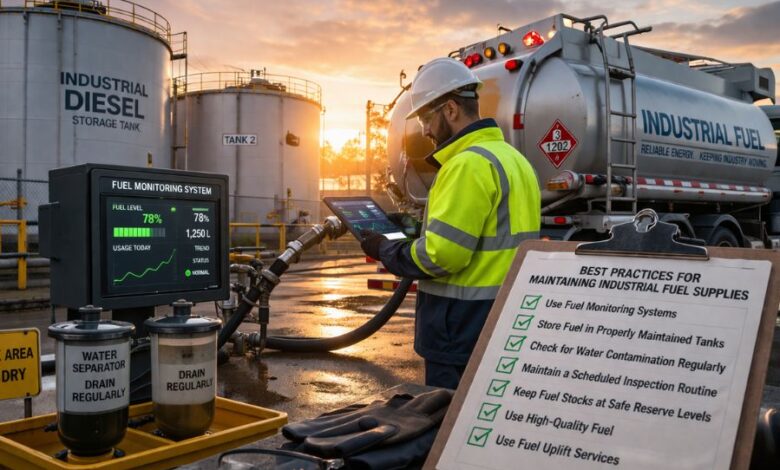
Fuel serves as a lifeblood for heavy industrial machinery, equipment, and vehicles. It maintains engine performance and keeps all processes running without interruptions. Even a small delay in fuel delivery can lead to delays, lost productivity, and rising operational costs, affecting your entire workflow. Therefore, a reliable fuel supply is necessary to ensure operational efficiency.
In this article, we will discuss the best practices for maintaining industrial fuel supplies, helping you improve efficiency and reduce waste.
Use Fuel Monitoring Systems
The first and most important practice is to keep a close eye on how your fuel is being used. Without proper tracking, it becomes difficult for you to identify wastage, unusual consumption patterns, or possible leaks. Investing in modern fuel monitoring systems can help you check fuel levels in real time, monitor daily usage, and alert you when stocks are running low.
When you know exactly how much fuel your equipment or generators are consuming, you can plan refills more accurately and avoid emergency shortages. It also helps you spot problems early, such as excessive usage from a faulty machine, saving both time and money.
Store Fuel in Properly Maintained Tanks
Proper storage plays a major role in maintaining fuel quality. Using old, damaged, or poorly sealed tanks increases the risk of fuel contamination by water, dirt, or rust particles. It can affect machinery performance and even lead to expensive repairs.
Make sure to inspect your storage tanks regularly for cracks, corrosion, and loose fittings. It is also important to ensure the tank is stored in a safe and stable environment, protected from harsh weather conditions. Keeping the tank area clean and dry helps preserve fuel quality. It keeps your fuel usable for longer periods, and your equipment runs more efficiently.
Check for Water Contamination Regularly
Water contamination is one of the most common fuel supply problems in industrial settings. Moisture can enter storage tanks through condensation, damaged seals, or external leaks. Once water mixes with fuel, it can reduce efficiency and damage engines, pumps, and generators.
Regular draining of the tank bottom is often necessary because water usually settles there. It can encourage microbial growth, leading to sludge formation, if ignored. This can block filters and fuel lines.
For businesses operating in the UK’s damp climate, this step becomes even more important. By checking for water regularly, you can protect your machinery and ensure consistent fuel performance throughout your operations.
Maintain a Scheduled Inspection Routine
Instead of waiting for a fuel issue to disrupt your operations, make sure to create a regular inspection schedule. It means checking tanks, pipes, pumps, valves, and fuel lines at planned intervals.
A proper inspection routine helps you catch minor issues before they become major problems. For example, a small leak in a fuel line may seem harmless at first, but over time it can lead to waste, safety risks, and higher costs. Scheduling weekly and monthly inspections helps you stay in control of your fuel infrastructure. It also supports compliance with UK workplace safety and environmental standards.
Keep Fuel Stocks at Safe Reserve Levels
Running out of fuel can bring your entire industrial process to a halt. To avoid this, you should always maintain a safe reserve level based on your average usage and delivery timelines. This is especially important during winter months or periods of high demand in the UK when delivery schedules may be affected.
A good practice is to calculate your weekly and monthly fuel needs and then keep additional reserve stock for emergencies. This reserve acts as a safety net in case of supplier delays or sudden operational increases.
By maintaining proper stock levels, you reduce stress and prevent costly downtime. It also gives you enough time to arrange replenishment without rushing into expensive last-minute orders.
Use High-Quality Fuel
The quality of the fuel you use directly affects the performance of your equipment. Low-grade or contaminated fuel can reduce engine efficiency, increase maintenance needs, and shorten machinery lifespan. That is why choosing a trusted supplier is one of the best long-term practices.
Always work with suppliers known for consistent quality and reliable delivery schedules. In the UK industrial sector, trusted suppliers often provide certification and quality assurance, which gives you peace of mind. Good quality fuel burns more efficiently, produces better performance, and reduces the chances of system damage.
Use Fuel Uplift Services
Another best practice is to work with dependable fuel uplift services to ensure timely replenishment of your industrial fuel stocks. This is especially useful when your operations run across multiple sites or require large-scale fuel movement.
These services help you manage scheduled top-ups, emergency deliveries, and site-to-site transfers without disruption. In the UK, where logistics and weather conditions can often cause delays, having access to trusted uplift support can make a major difference.
In a Nutshell
Maintaining industrial fuel supplies is all about planning, regular checks, and using the right systems to manage storage and usage. By practising the aforementioned strategies, you can keep your operations running efficiently and support better equipment performance.