Gum pain is a sign many people tend to minimise, especially when it appears mild or occasional. However, swollen, red, or painful gums may hide inflammation that deserves attention, particularly when discomfort is associated with bleeding, bad breath, sensitivity, or tooth mobility.
Talking about gum disease in Horley means addressing an important aspect of oral health: understanding why gums hurt, what this symptom may indicate, and why a timely dental assessment can make a difference.
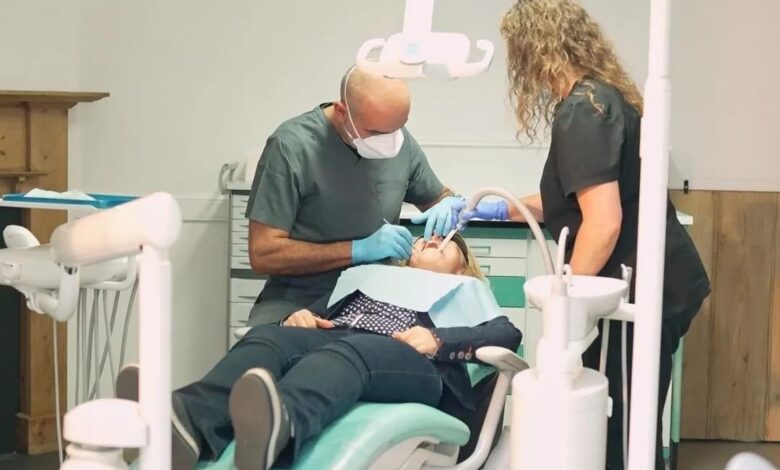
At Horley & Gatwick Dental Centre in Horley, gum health is assessed with a careful and multidisciplinary approach. The practice combines clinical expertise, diagnostic technologies, and a simple, empathetic communication style, helping patients understand what is happening in their mouth without unnecessary alarm. Gum pain, in fact, should not always be interpreted in the same way: it may be caused by simple irritation, gingivitis, gum recession, plaque and tartar build-up, or a more advanced form of periodontal disease.
What is gum disease in Horley and why can it make gums hurt?
Periodontitis is an inflammatory disease that affects the supporting tissues of the tooth, including the gum, periodontal ligament, and bone. It is often confused with gingivitis, but the two conditions are not the same. Gingivitis mainly affects the superficial gum tissue and is generally reversible when detected and treated properly. Periodontitis, on the other hand, can involve deeper structures and, if left untreated, may lead to loss of support around the teeth.
When discussing gum disease in Horley, the key issue is not only the presence of the disease, but also how it is recognised and managed. Gum pain may occur because the tissues are inflamed, swollen, more sensitive to touch, or irritated by bacterial plaque and tartar. In some cases, the gum may hurt while brushing, while in others the discomfort may be spontaneous or associated with chewing.
The most common symptoms may include:
- swollen and red gums
- bleeding during brushing
- gum pain or discomfort
- persistent bad breath
- gum recession
- tooth sensitivity
- a feeling that teeth are becoming more mobile
Pain, however, is not always proportional to the severity of the condition. Some forms of periodontitis can progress with few obvious symptoms, while others may cause more intense discomfort. For this reason, relying only on the perception of pain can be misleading. A dental examination allows the dentist to assess the depth of gum pockets, the condition of the bone, and the possible presence of active inflammation.
Why gums hurt: the most common causes to know
Gums can hurt for many reasons, not all of them related to periodontitis. However, when the pain is recurrent or associated with bleeding and swelling, it should not be ignored. The most common cause is the build-up of bacterial plaque along the gumline. If plaque is not removed properly, it can mineralise and turn into tartar, a rough surface that encourages further bacterial accumulation and keeps inflammation active.
Another frequent cause is brushing too aggressively. Many patients, in an attempt to clean their teeth more thoroughly, apply excessive pressure or use traumatic movements. This can irritate the gums, encourage gum recession, and increase sensitivity. Incorrect use of dental floss or interdental brushes can also cause microtrauma, especially when the patient has not been properly instructed.
Gum pain may also be linked to:
- untreated gingivitis
- early or advanced periodontitis
- gum pockets
- tartar build-up below the gumline
- gum recession
- localised infections
- dental restorations that are no longer suitable
- prosthetic work irritating the tissues
- hormonal changes
- smoking and poor oral hygiene
At Horley & Gatwick Dental Centre, patients are guided through the understanding of the problem using clear language. Gum pain is not treated as an isolated symptom, but as a sign to be considered within a broader picture: daily habits, oral hygiene, clinical history, bleeding, tooth mobility, and the general condition of the mouth.
How to recognise the symptoms of gum disease in Horley
Recognising the symptoms of gum disease is important because many people only visit the dentist when the problem has already become evident. In reality, the first signs can be subtle: a small amount of blood when brushing, gums that appear more swollen than usual, discomfort while chewing, or persistent bad breath. These signs should not be considered normal, especially if they occur repeatedly over time.
One of the most common symptoms is gum bleeding. Many patients think it is caused by the toothbrush or dental floss, but healthy gums should not bleed easily. When bleeding appears frequently, it may indicate active inflammation. Swelling is also a significant sign: inflamed gums may look shinier, redder, and more sensitive.
As the disease progresses, other signs may appear:
- receding gums
- teeth that appear longer
- spaces between teeth that were not there before
- pain when pressure is applied
- increased sensitivity to hot or cold
- a feeling of dental instability
- pus or a bad taste in the mouth
A delicate aspect of periodontitis is that it may progress even without marked pain. This means that the patient may only notice the problem when the loss of support has become more advanced. For this reason, regular check-ups and professional dental hygiene play an essential role: they allow early signs to be detected before they become obvious at home.
At the practice in Horley, the assessment may include clinical observation of the gums, periodontal probing, X-rays and, when needed, further diagnostic investigations. The aim is to understand whether gum pain is linked to simple inflammation or to a periodontal condition requiring a more structured care pathway.
How gum disease is treated and why DIY methods are not enough
One of the most common online searches concerns remedies to reduce gum swelling or inflammation quickly. This is understandable: when gums hurt, patients look for relief. However, mouthwashes, natural remedies, or improvised solutions may only temporarily reduce discomfort, without removing the underlying cause if the problem is linked to plaque, tartar, gum pockets, or periodontitis.
Treating gum disease requires an accurate diagnosis. It is not enough to “disinfect” the mouth or use a generic product. It is necessary to understand how deep the inflammation is, which areas are involved, whether there is bone loss, whether gum pockets are present, and what the patient’s home oral hygiene routine is like. Only after this assessment can an appropriate pathway be defined.
In general, treatment may include:
- professional dental hygiene
- removal of tartar above and below the gumline
- personalised home oral hygiene instructions
- regular check-ups
- targeted periodontal therapy
- more in-depth treatments in compromised areas when needed
The key point is that periodontitis cannot be solved with a single action. It requires a pathway, because the goal is not only to relieve pain, but to reduce inflammation, control bacterial load, and maintain tissue stability over time.
DIY approaches can become risky when they lead patients to delay dental assessment. If a gum hurts, bleeds, or recedes, waiting for the symptom to pass may allow the condition to progress. In addition, some aggressive remedies can further irritate the mucosa or alter the balance of the mouth. For this reason, a professional approach remains the most prudent choice.
Can gum pain related to gum disease be prevented?
Prevention plays a central role in gum health. Many cases of gingivitis and many forms of periodontitis can be detected early if the patient maintains good daily hygiene and attends regular check-ups. Prevention, however, does not simply mean brushing more often: it means doing it correctly, with suitable tools and a personalised technique.
Every mouth is different. Some patients build up tartar more quickly, others have interdental spaces that are difficult to clean, while others may have gum recession, dental crowding, or restorations that make hygiene more complex. For this reason, generic advice is not always enough. A dental hygienist or dentist can show how to use a toothbrush, dental floss, or interdental brushes correctly according to the patient’s individual situation.
To reduce the risk of gum inflammation, certain habits may be helpful:
- brushing the teeth regularly with a gentle technique
- cleaning interdental spaces every day
- avoiding smoking
- not ignoring gum bleeding
- attending professional hygiene appointments as advised
- checking any restorations, prosthetic work, or appliances that may irritate the gums
Prevention is especially important for patients who have already experienced periodontal problems. In these cases, maintenance is an essential part of care. Even after effective treatment, periodontitis can become active again if it is not monitored over time.
At the practice in Horley, the approach described in the client analysis highlights “gentle slow care”: taking time to listen and explain each step. This is important because the patient should not only receive treatment, but also understand how to care for their mouth in everyday life.
What to do when gums are swollen, inflamed, or bleeding
When gums are swollen or bleeding, the first response should be to observe the symptom without ignoring it. Occasional bleeding may have simple causes, but if it happens repeatedly or appears together with pain, swelling, and bad breath, a dental assessment is advisable. Gum bleeding should not be considered normal.
Many patients, when they see blood, stop brushing the area because they are afraid of making the problem worse. In reality, avoiding cleaning can encourage further plaque build-up and increase inflammation. The solution is not to stop cleaning, but to do it gently and correctly, with professional guidance.
In cases of inflamed gums, it is advisable to avoid:
- aggressive or abrasive remedies
- mouthwashes used without professional advice
- traumatic movements with unsuitable tools
- attempts to clean deep gum pockets at home
- prolonged delays before dental assessment
Cleaning gum pockets, in particular, cannot be done properly at home. Pockets are pathological spaces between the tooth and gum that require professional instruments and clinical expertise. Trying to manage them independently may cause trauma, irritation, or a false sense of improvement.
Gum pain should therefore be considered a message. It may indicate that something in the balance of the mouth has changed. A visit makes it possible to distinguish between gingivitis, periodontitis, local trauma, infection, or other conditions. This step is essential to avoid random treatments and establish a truly useful care plan.
Why gums recede and how this is linked to gum disease
Receding gums are another sign that often worries patients. When the gum recedes, the tooth may appear longer and the root may become more exposed. This can cause sensitivity, aesthetic concerns, and greater vulnerability in the area. The causes can vary: traumatic brushing, anatomical predisposition, chronic inflammation, dental misalignment, or periodontitis.
In the context of periodontitis, gum recession may be linked to loss of tissue support. When inflammation affects the periodontium, the gum can change position and the underlying bone may reduce. It is important to clarify that gums do not “grow back” spontaneously, as is often suggested online. In some cases, the condition of the tissues can be improved, inflammation controlled, and specific treatments assessed, but a diagnosis is always necessary.
Here too, DIY methods can create misleading expectations. Toothpastes, mouthwashes, or natural remedies cannot rebuild a receded gum or restore lost bone by themselves. They may contribute to daily hygiene if recommended by the dentist, but they cannot replace periodontal therapy.
When gums recede, it is important to assess:
- how extensive the recession is
- whether sensitivity is present
- whether inflammation is present
- whether the patient brushes too aggressively
- whether periodontal pockets are present
- whether the condition is stable or progressing
This approach helps determine whether the gum discomfort is linked to a condition that can be controlled through hygiene changes or whether it requires more in-depth treatment.
How important technology is in diagnosing gum disease in Horley
The diagnosis of periodontitis is based first and foremost on clinical expertise, observation, and accurate measurements. However, the technologies available in a practice can support the diagnostic and therapeutic pathway, making it more complete. At Horley & Gatwick Dental Centre, tools such as digital radiography, panoramic X-rays, Cone Beam CT scans, intraoral cameras, and digital workflows are available to assess oral health in greater detail when indicated.
In the case of periodontitis, X-rays can help observe the level of supporting bone around the teeth. Periodontal probing, on the other hand, allows the depth of gum pockets to be measured. The intraoral camera can help patients see certain conditions in their own mouth more clearly, making the problem easier to understand.
Technology, however, does not replace listening. A symptom such as gum pain must also be interpreted through the patient’s story: when it appears, how long it lasts, whether it worsens while chewing, whether it is associated with bleeding, and whether habits such as smoking or aggressive brushing are present. The combination of clinical data, diagnostic tools, and dialogue helps build a more precise picture.
This is particularly important for anxious patients or those who have delayed care due to fear. A simple, clear, and gradual approach can help reduce uncertainty. Understanding what is happening, why the gums hurt, and which steps are needed allows the patient to approach the care pathway with greater calm.
Gum disease in Horley: why gum pain should not be ignored
Gum pain should not be considered a minor discomfort, especially when it recurs or is accompanied by other signs such as bleeding, swelling, bad breath, recession, or tooth mobility. Talking about gum disease in Horley means remembering that gum health is a fundamental part of overall oral health and that early intervention can help protect the teeth over time.
Periodontitis is not always obvious in its early stages and may progress slowly. For this reason, professional assessment plays an essential role: it makes it possible to distinguish simple inflammation from a deeper condition, identifying the most suitable pathway for each individual patient.
At Horley & Gatwick Dental Centre in Horley, attention to periodontology is part of a care model based on listening, clarity, diagnostic technologies, and a multidisciplinary approach. For those experiencing gum pain or noticing recurring signs, exploring the situation at the practice can be an important step towards understanding the problem and protecting the health of their smile.