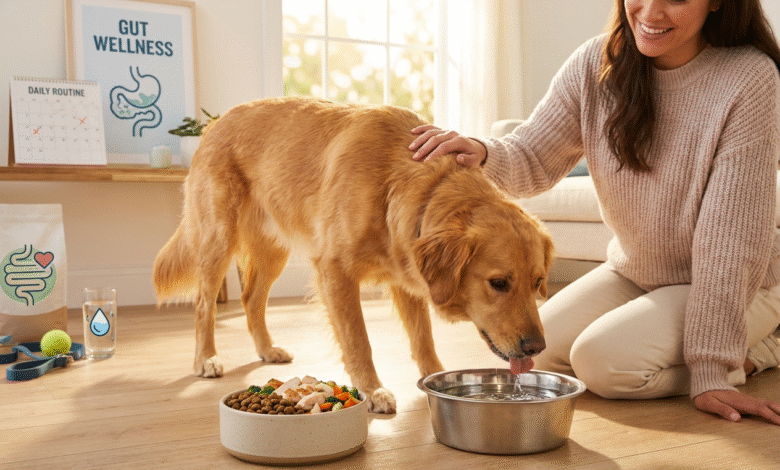
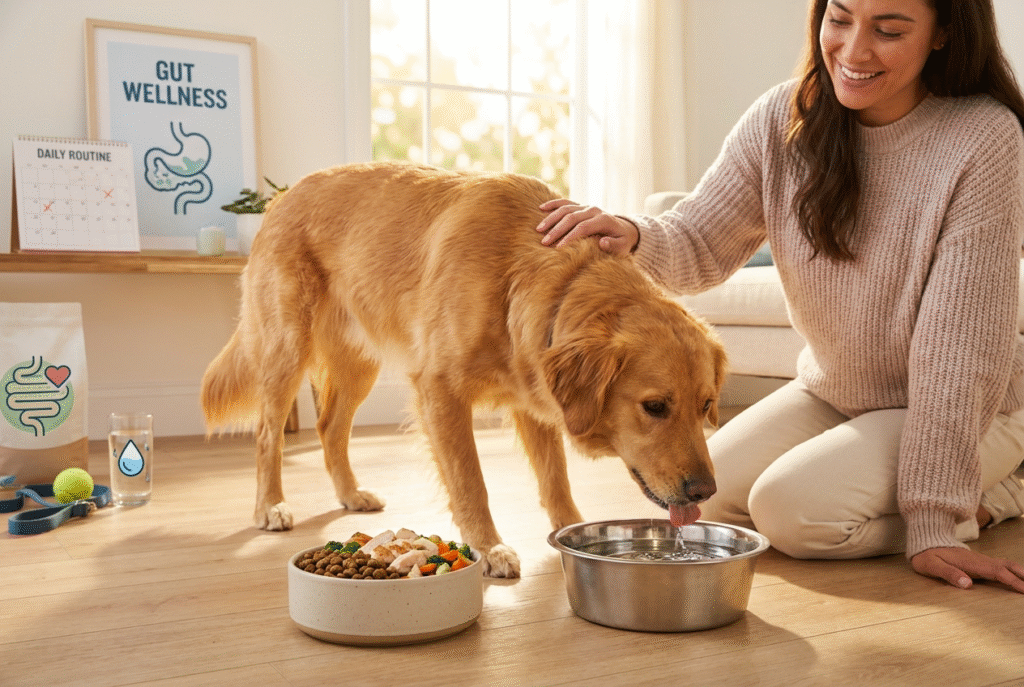
Daily habits that help support healthy digestion and gut function in dogs
A dog’s digestive health is often more important than many owners realize.
Common issues such as inconsistent appetite, low energy levels, irregular bowel movements, and reduced activity can sometimes be linked to digestive health. Fortunately, maintaining a healthy digestive system does not have to be complicated. By focusing on nutrition, lifestyle habits, and daily observation, owners can help create a strong foundation for their dog’s overall wellbeing.
Why Is Digestive Health So Important?
The digestive system does more than simply process food. It is also responsible for absorbing nutrients that the body needs to function properly.
Even if a dog consumes a nutritious diet, poor digestion or nutrient absorption may prevent the body from fully benefiting from those nutrients. As a result, digestive health can have a significant impact on a dog’s overall condition and quality of life.
The Main Functions of the Digestive System
A dog’s digestive system is responsible for:
- Breaking down food
- Absorbing nutrients
- Eliminating waste
- Maintaining gut balance
- Supporting normal body functions
When the digestive system functions well, dogs are often more energetic, comfortable, and active.
Establish a Consistent Feeding Routine
Busy schedules can sometimes lead to irregular feeding times. However, consistency plays an important role in supporting digestive health.
A regular feeding schedule helps maintain the natural rhythm of digestion, while unpredictable meal times may place unnecessary stress on the digestive system.
Benefits of Regular Feeding Times
Consistent meal schedules can help:
- Support regular digestion
- Promote a stable appetite
- Reduce overeating
- Encourage predictable bowel movements
For most household dogs, feeding at the same times each day is generally beneficial.
Avoid Frequent Diet Changes
Some owners enjoy frequently changing their dog’s food to provide variety. However, a dog’s digestive system often needs time to adjust to dietary changes.
Switching foods too often may disrupt digestive stability and increase the risk of gastrointestinal discomfort.
How to Transition to a New Diet
When changing food, a gradual transition is usually recommended.
Introducing the new food slowly while reducing the previous food over several days can help the digestive system adapt more comfortably. Sudden dietary changes are more likely to cause digestive upset.
Hydration Matters More Than Many Owners Think
Food often receives most of the attention, but water is equally important for digestive and metabolic health.
Adequate hydration helps support normal digestion, nutrient transport, and waste elimination. In Hong Kong’s warm and humid climate, dogs may lose more water through daily activity and therefore require extra attention to hydration.
Encouraging Better Water Intake
Owners can help by:
- Providing fresh water every day
- Keeping water bowls clean
- Placing multiple water stations around the home
- Offering water after walks and exercise
- Monitoring hydration during hot weather
Good hydration habits contribute to overall digestive and physical wellbeing.
Regular Exercise Supports Digestion
Exercise is not only important for weight management—it can also help promote healthy digestive function.
Dogs that spend long periods inactive may experience slower digestion compared to those with regular physical activity.
Even dogs that primarily live indoors should have opportunities for daily movement.
Suitable Daily Activities
Depending on a dog’s age, size, and fitness level, activities may include:
- Daily walks
- Interactive play sessions
- Basic training exercises
- Outdoor activities
Consistency is more important than intensity. Regular movement helps support both physical and digestive health.
Monitor Your Dog’s Stool
A dog’s stool can provide valuable insight into digestive health.
Regular observation often allows owners to identify changes before they become more serious concerns.
What Should Owners Watch For?
Pay attention to:
- Frequency of bowel movements
- Stool consistency and shape
- Ease of defecation
- Sudden or ongoing changes
If digestive irregularities persist, professional advice should be sought promptly.
Stress Can Affect Digestion Too
Many owners are surprised to learn that stress can influence digestive health.
Changes in the environment, moving to a new home, the arrival of a new family member, or extended periods alone can all contribute to stress in dogs.
Some dogs may experience reduced appetite or changes in bowel habits during stressful situations.
Helping Reduce Daily Stress
Owners can support emotional wellbeing by:
- Maintaining a predictable routine
- Providing a comfortable resting area
- Spending quality time together
- Creating a stable home environment
A calm and secure lifestyle can benefit both emotional and digestive health.
Continue Learning About Nutrition
As pet ownership awareness continues to grow, more owners are taking an active interest in nutrition and digestive health.
Understanding the relationship between diet and overall wellbeing can help owners make better long-term decisions. Many pet nutrition brands, including Natures Protection, emphasize digestive support and balanced nutrition as part of a comprehensive approach to canine health.
Staying informed allows owners to provide care that better matches their dog’s individual needs.
Five Daily Habits for Better Digestive Health
If you want to support your dog’s digestive system, start with these simple habits:
1. Feed Consistently
Maintain regular feeding times and portion sizes to establish a stable digestive routine.
2. Encourage Adequate Hydration
Monitor water intake and ensure fresh water is always available.
3. Provide Regular Exercise
Daily physical activity helps support healthy digestion and overall fitness.
4. Observe Bowel Movements
Keep an eye on stool quality and frequency to identify potential concerns early.
5. Maintain a Stable Lifestyle
Minimize unnecessary stress and provide a predictable environment.
Although these habits may seem simple, their long-term impact on health can be significant.
Conclusion
A dog’s digestive health is closely connected to daily lifestyle habits. Consistent feeding schedules, adequate hydration, regular exercise, and a stable environment all contribute to healthy digestive function.
Rather than waiting until problems arise, owners can take proactive steps to support digestive wellness every day. With ongoing observation and proper care, dogs can enjoy greater comfort, better vitality, and a healthier quality of life.