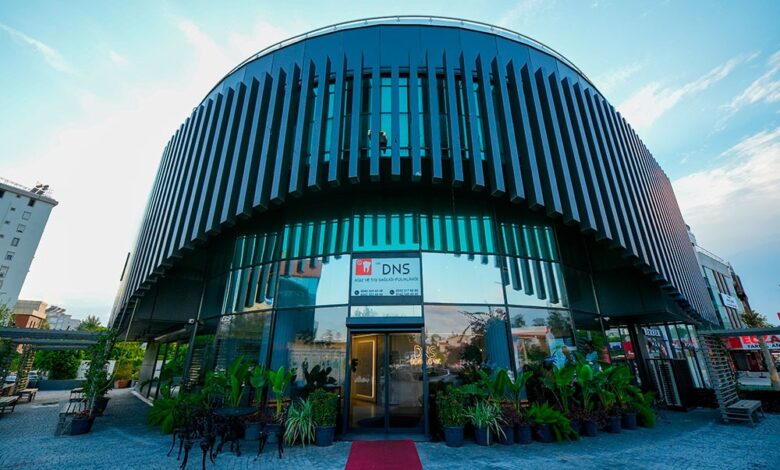
Patients today can research dental services across cities and countries before arranging an examination. Turkish-speaking residents in the United Kingdom may prefer to discuss dental concerns in their native language, particularly when a treatment involves technical details or several clinical stages. Patients with extensive tooth loss may also investigate full-arch implant treatments in destinations such as Antalya.
All-on-4 is one of the methods considered for replacing most or all teeth in a dental arch. Although this approach may provide a fixed alternative to removable dentures in suitable cases, it is not appropriate for everyone. Clinical examination, diagnostic imaging, medical history and long-term maintenance requirements should be considered before treatment begins.
The importance of clear communication in dental care
Understanding a diagnosis is essential for making an informed treatment decision. Dental procedures can involve unfamiliar terminology relating to tooth structure, gum health, bone levels, restorative materials and possible complications. Communicating in a familiar language may help patients explain their symptoms accurately and ask questions about the proposed care.
Someone searching for a turkish dentist in london may wish to discuss dental concerns in Turkish while receiving treatment in the UK. This can be particularly helpful when reviewing consent forms, medical history, alternative procedures and aftercare instructions.
Language compatibility, however, should be considered alongside other factors. Patients may also need to evaluate the dental professional’s registration, the clinic’s diagnostic facilities, hygiene procedures and approach to follow-up care. The ability to communicate clearly supports treatment, but it does not replace the need for an appropriate clinical assessment.
What information should patients provide at the first appointment?
A dental examination commonly begins with a review of the patient’s current symptoms and previous treatments. The teeth, gums, bite and surrounding soft tissues may then be assessed. X-rays or other imaging techniques can be used when additional information is required.
Patients should disclose existing medical conditions, allergies and all medicines or supplements they use. Conditions affecting bone healing, blood clotting or immune function may influence the suitability and timing of certain procedures. Medication should not be stopped or changed without guidance from the relevant healthcare professional.
What does All-on-4 mean?
All-on-4 is a full-arch treatment concept in which four dental implants support a fixed restoration replacing the teeth in an upper or lower jaw. It may be assessed for people who have lost all their teeth, struggle with a removable denture or have multiple teeth with a poor long-term prognosis.
Patients investigating all on 4 antalya should recognise that All-on-4 is not a standard package applied identically to every case. Implant positions, dimensions and angles must be selected according to available bone, jaw anatomy, bite forces and the planned restoration.
In suitable situations, the implants placed toward the rear of the jaw may be angled. This arrangement can help make use of available bone and provide support across the dental arch. It may reduce the need for some additional procedures in selected patients, but it cannot guarantee that bone grafting or another intervention will be unnecessary.
How is suitability for All-on-4 assessed?
Assessment usually includes a clinical examination and three-dimensional imaging. The examination allows the dental team to evaluate the condition of the gums, remaining teeth, bite and available restorative space. Imaging helps identify bone height and width, as well as the location of nerves and sinus cavities.
The patient’s general health and lifestyle may also affect planning. Smoking, uncontrolled gum disease, active infection and inadequate oral hygiene can increase the risk of complications. Certain medical conditions may require further evaluation or coordination with another healthcare professional.
Risks, limitations and long-term maintenance
As a surgical procedure, implant placement involves potential complications. Postoperative tenderness, swelling and bruising may occur. Other risks include bleeding, infection, delayed healing, altered sensation and failure of an implant to integrate with the bone.
Mechanical complications are also possible after treatment. Artificial teeth may wear or fracture, screws can loosen and the bite may require adjustment. Tooth grinding or clenching can increase the stress placed on implants and prosthetic components.
Planning dental treatment in Antalya
When researching a Dental Clinic Antalya, international patients should request clear information about the likely number of visits, treatment stages and healing periods. Implant surgery, temporary teeth and definitive restoration may require separate appointments or journeys.
Plans prepared from photographs or messages should be regarded as preliminary. An in-person examination and diagnostic imaging can reveal conditions that change the recommended treatment, timetable or estimated cost.
A written plan should specify whether examinations, scans, extractions, temporary teeth, implant components, final restorations and follow-up appointments are included. Patients should also ask how unexpected problems would be managed after they return home.
Choosing between dental treatment in London and full-arch rehabilitation in Antalya requires more than comparing language, travel or cost. Accurate diagnosis, informed consent, realistic scheduling and ongoing maintenance are central to protecting oral health and assessing whether All-on-4 is appropriate for the individual patient.