RTI Scheduler: The Smart Way to Organize Student Support, Intervention Time, and Progress Tracking

What Is an RTI Scheduler?
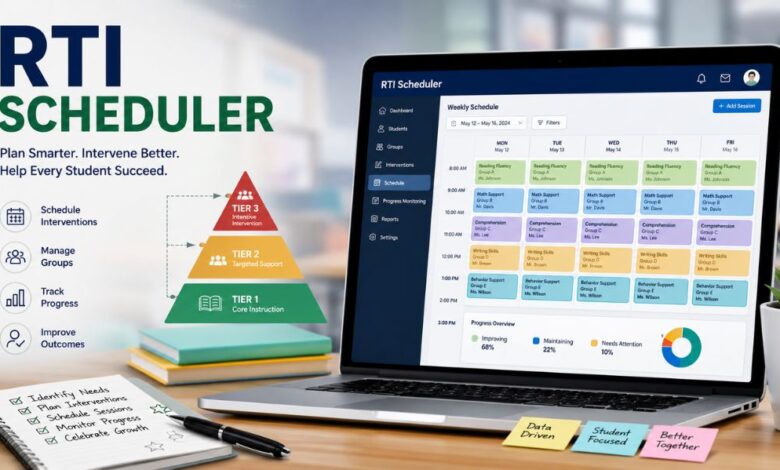
An RTI scheduler is a planning system or digital tool used by schools to organize Response to Intervention support for students who need extra academic or behavioral help. In simple words, it helps school leaders, teachers, interventionists, and support teams decide when students will receive targeted help, which staff member will provide it, what skill will be taught, and how progress will be monitored over time. RTI can become complicated when a school has many students across different grade levels, subjects, support needs, and intervention tiers, so an RTI scheduler creates structure. Instead of relying on scattered spreadsheets, hallway conversations, or last-minute decisions, schools can use a clear schedule that shows who receives support, when interventions occur, and how each session fits into the school day.
The purpose of an RTI scheduler is not only to save time but also to make student support more consistent. In many schools, teachers already know which students are struggling, but the challenge is finding a realistic time to provide extra instruction without removing students from important classroom learning. A good RTI schedule protects core teaching time while creating a dedicated intervention block for students who need additional practice. This makes the entire Response to Intervention process more organized, fair, and easier to manage.
Why RTI Scheduling Matters in Schools
RTI works best when support is timely, targeted, and based on student needs. However, without a strong scheduling system, even the best intervention plan can become difficult to follow. Students may miss sessions, teachers may not know where students should go, and intervention groups may become too large or too mixed in skill level. This is where an RTI scheduler becomes valuable. It gives schools a practical framework for turning student data into daily action.
For example, a student who struggles with reading fluency may need short, frequent intervention sessions during the week. Another student may need math problem-solving support, while another may need behavior-based check-ins. If all of these supports are handled manually, scheduling becomes stressful. An RTI scheduler helps schools match students with the right support group, assign staff members, and avoid conflicts with other important classes. When the system is managed properly, students receive help at the right time instead of waiting until they fall further behind.
How an RTI Scheduler Supports the RTI Process
The RTI process usually includes different levels of support, often known as Tier 1, Tier 2, and Tier 3. Tier 1 refers to strong instruction for all students in the general classroom. Tier 2 provides targeted small-group support for students who need extra help. Tier 3 offers more intensive and individualized support for students with greater needs. An RTI scheduler helps schools organize these tiers in a way that is realistic for the school day.
In practice, the scheduler may show which students are receiving Tier 2 reading intervention, which students are receiving Tier 3 math support, and which staff members are responsible for each group. It can also help teams review whether students are getting enough minutes of intervention each week. This matters because RTI is not just about identifying struggling students; it is about giving them consistent, evidence-based support and then checking whether that support is working. A clear schedule makes this process easier to follow.
Key Features of a Good RTI Scheduler
A strong RTI scheduler should be simple enough for school staff to use but flexible enough to handle real classroom needs. One important feature is student grouping. The scheduler should help schools place students into groups based on similar needs, such as phonics, reading comprehension, number sense, writing skills, or behavior support. When students are grouped correctly, intervention time becomes more focused and effective.
Another important feature is staff assignment. Schools often have classroom teachers, intervention specialists, special education staff, counselors, paraprofessionals, and administrators involved in RTI. A scheduler helps everyone understand their role. It can show which adult is responsible for each group, where the group meets, and what time the session begins. This reduces confusion and makes the intervention block run more smoothly.
Progress tracking is also essential. While some RTI schedulers focus mainly on time and placement, the best systems connect scheduling with progress monitoring. This means teachers can see whether students are improving, staying the same, or needing a different level of support. When scheduling and progress data work together, schools can make better decisions about moving students between tiers.
Benefits of Using an RTI Scheduler
The biggest benefit of an RTI scheduler is organization. Schools are busy places, and RTI requires coordination across multiple people and departments. A scheduler creates a single clear plan, so everyone knows what is happening. It helps reduce missed sessions, duplicate planning, and confusion about student placement. This allows teachers to spend less time managing logistics and more time teaching.
Another benefit is consistency. Students who need support often need repeated practice, clear routines, and reliable instruction. If intervention time changes frequently or is often canceled, progress can slow. A well-built RTI schedule protects intervention time and ensures students receive regular support. Consistency also builds confidence because students know where to go, what to expect, and who will help them.
An RTI scheduler can also improve communication between staff members. Teachers can see which students are receiving support and what skills are being targeted. Interventionists can plan their groups more effectively. Administrators can check whether the school is providing enough support across grade levels. Families may also receive clearer updates because staff have better information about the student’s intervention plan.
RTI Scheduler and MTSS: Are They Connected?
Many schools now use the term MTSS, which means Multi-Tiered System of Supports. RTI is often focused on academic intervention, while MTSS is a broader framework that may include academic, behavioral, social-emotional, and attendance supports. An RTI scheduler can still fit within an MTSS model because both systems rely on structured support, careful planning, and regular progress reviews.
In an MTSS environment, the scheduler may manage more than reading and math groups. It may also include behavior check-ins, counseling support, social skills groups, enrichment opportunities, or attendance interventions. This makes scheduling even more important because schools must coordinate many types of student support without overwhelming the school day. A flexible RTI scheduler can help schools move from basic intervention planning to a more complete student support system.
Challenges Schools Face Without an RTI Scheduler
Without an RTI scheduler, schools may struggle with uneven support. Some students may receive regular intervention, while others may be overlooked because their needs are not clearly identified. Teachers may also face conflicts when students are pulled from important lessons or when too many students are assigned to one group. Over time, this can weaken the quality of intervention and make RTI feel frustrating for staff.
Another common challenge is poor documentation. If schools do not clearly track intervention schedules, it becomes harder to know whether a student actually received the planned support. This can create problems during data meetings, parent conversations, or special education referrals. A scheduler helps create a record of what support was provided, when, and by whom. This makes the RTI process more transparent and professional.
How Schools Can Create an Effective RTI Schedule
To build an effective RTI scheduler, schools should first review their master schedule. The goal is to find dedicated intervention time that does not interrupt core instruction. Many schools use a daily or weekly intervention block where students receive extra help, enrichment, or targeted practice based on their needs. This approach can make RTI easier to manage because the entire school understands when intervention happens.
Next, schools should use student data to form groups. Data may come from classroom assessments, universal screeners, teacher observations, behavior reports, or progress monitoring tools. The key is to group students based on specific needs, not just general labels like “low” or “struggling.” A student who needs decoding support should not automatically be placed with a student who needs comprehension support unless their needs truly match. Better grouping leads to better instruction.
Schools should also review the schedule regularly. RTI is not meant to be fixed forever. If a student improves, the student may need less support. If a student does not improve, the team may need to adjust the intervention, increase intensity, or provide a different type of help. A good RTI scheduler allows teams to make these changes without rebuilding the entire schedule.
What Makes an RTI Scheduler User-Friendly?
A user-friendly RTI scheduler should be clear, easy to update, and accessible to the people who need it. Teachers should not need advanced technical skills to understand the schedule. The layout should clearly show student names, group assignments, meeting times, staff members, locations, and intervention focus areas. If the scheduler is digital, it should allow quick edits when students move between groups or when staff availability changes.
The best RTI scheduling systems also reduce repeated work. Instead of entering the same information in multiple places, staff should be able to update a single schedule and share it with the team. This saves time and reduces mistakes. A good scheduler should also protect student privacy by limiting access to sensitive information. Schools must be careful when handling student data, so privacy and security should always be part of the planning process.
RTI Scheduler for Teachers and Administrators
Teachers benefit from an RTI scheduler because it gives them a clear picture of student support. They can plan classroom instruction more effectively when they know which students will receive additional help and when that help will happen. Teachers can also use the schedule to prepare materials, communicate with interventionists, and monitor student growth.
Administrators benefit from the scheduler, which helps them manage resources. They can see whether intervention groups are balanced, whether staff members are overloaded, and whether students are receiving the required level of support. This makes it easier to lead data meetings and improve schoolwide systems. Instead of guessing where support is needed, administrators can use the schedule as a practical planning tool.
Conclusion
An RTI scheduler is more than a timetable. It is a student support tool that helps schools organize intervention time, assign staff, group students by need, and monitor progress more effectively. When used well, it brings structure to the Response to Intervention process and helps ensure that students receive the right support at the right time. Schools that rely only on informal planning may struggle with missed sessions, unclear responsibilities, and uneven intervention quality, but a strong RTI schedule can solve many of these problems.
For teachers, an RTI scheduler reduces confusion and supports better planning. For administrators, it improves resource management and accountability. For students, it creates a more reliable path toward academic growth. Whether a school uses a simple spreadsheet, a digital platform, or a full MTSS management system, the goal remains the same: to make intervention organized, consistent, and focused on student success.
(FAQs)
What does RTI scheduler mean?
An RTI scheduler is a system or tool used to organize Response to Intervention support in schools. It helps schedule intervention groups, assign staff, manage student support time, and track which students receive extra help.
Why is an RTI scheduler important?
An RTI scheduler is important because it helps schools provide consistent and targeted intervention. Without a clear schedule, students may miss support sessions, teachers may face planning conflicts, and intervention groups may become disorganized.
Who uses an RTI scheduler?
Teachers, interventionists, school administrators, counselors, special education staff, and support teams may use an RTI scheduler. It helps everyone involved in student support understand their responsibilities.
Can an RTI scheduler help with MTSS?
Yes, an RTI scheduler can support MTSS because both RTI and MTSS rely on tiered support, data-based decisions, and organized intervention planning. In an MTSS model, the scheduler may include academic, behavioral, and social-emotional supports.
What should a good RTI scheduler include?
A good RTI scheduler should include student groups, intervention times, staff assignments, locations, skill focus areas, tier levels, and progress monitoring information. It should also be easy to update as students’ needs change.
Is an RTI scheduler only for struggling students?
No, an RTI scheduler can also help organize enrichment and extension activities, as well as advanced support. While RTI often focuses on students who need extra help, a strong schedule can support different learning needs across the school.
How often should RTI schedules be updated?
RTI schedules should be reviewed regularly, often after progress monitoring checks or data meetings. Schools may update groups every few weeks depending on student progress, assessment results, and intervention effectiveness.
Can schools use a spreadsheet as an RTI scheduler?
Yes, some schools use spreadsheets as a basic RTI scheduler, especially when starting out. However, larger schools may prefer digital scheduling tools that allow easier updates, reporting, and progress tracking.