With energy bills still putting pressure on household budgets, more people are turning to wood as a way to keep warm through the colder months. If you own a log burner or are weighing up your fuel options, you may be wondering whether softwood fire logs are worth buying. They are cheaper than many alternatives and easy to light, but they also have a reputation for burning quickly. So how well do they actually perform in a UK home? Let’s look at what they offer, how they compare with other firewood, and when they make the most sense for everyday heating.
What Are Softwood Fire Logs?
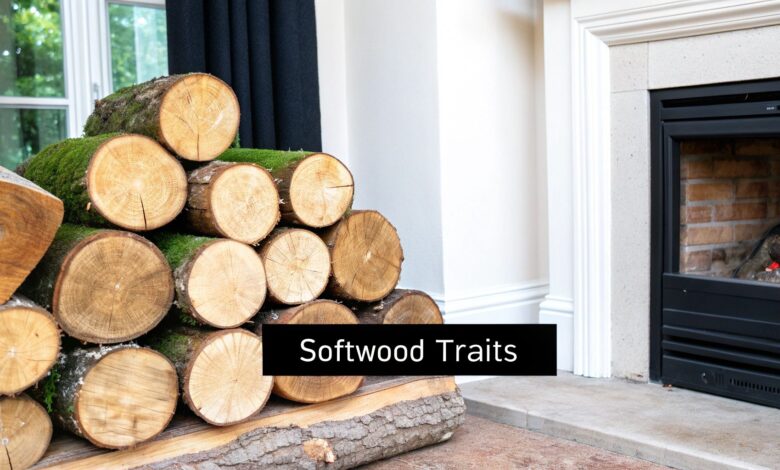
Softwood fire logs come from fast-growing trees such as pine, spruce, larch and fir. Because these trees grow quickly, the wood is widely available and usually costs less than hardwood. You’ll find it sold as seasoned or kiln-dried logs, with kiln-dried versions offering the lowest moisture content.
Moisture matters a great deal. Wet or unseasoned wood produces more smoke, less heat and a build-up of soot in your flue. Good-quality softwood is dried to below 20% moisture, which is the level the law now expects for wood fuel sold in England.
Softwood lights easily and gets a fire going fast. That makes it a practical everyday choice for many households.
How Do Softwood Fire Logs Compare with Hardwood Logs?
The main difference comes down to density. Hardwoods such as oak, ash and birch are denser, so they burn slower and give off heat for longer. Softwood is less dense, lights quickly and burns hotter at first, but it doesn’t last as long in the grate.
This affects how you use each type:
- Softwood – quick to light, ideal for getting a fire started and for shorter burns.
- Hardwood – slower burning, better for long, steady heat through the evening.
Many people use both. They start the fire with softwood, then add hardwood once it’s established. If you’re comparing options before buying, suppliers like Lektowood Fuels sell both softwood fire logs and hardwood heat logs, so you can match the fuel to how you actually heat your home.
Are Softwood Fire Logs Cost-Effective in the UK?
Price is often the deciding factor, and this is where softwood has a clear advantage. It usually costs noticeably less per load than hardwood, simply because the trees grow faster and supply is plentiful.
The catch is that softwood burns through more quickly. So while you pay less upfront, you may get through it faster on a cold night. For occasional fires, a chiminea, or topping up a stove, the lower price makes it good value. For all-day winter heating, the maths can shift towards hardwood.
With ongoing pressure on UK heating costs, plenty of homeowners use softwood as a budget-friendly way to take the edge off heating bills, rather than as their only heat source.
Burning Efficiency and Heat Output
Heat output depends heavily on dryness. A dry softwood log burns cleanly and releases its energy quickly, which is useful when you want a room to warm up fast. A damp log wastes much of its energy boiling off water instead of heating your room.
For the best heating efficiency, look for kiln-dried logs with a moisture content under 20%. These produce more usable heat, less smoke and fewer deposits in your chimney.
It’s worth remembering that softwood contains more resin. In a well-maintained, dry state this isn’t a problem, but burning poorly seasoned softwood can speed up creosote build-up. Regular chimney sweeping keeps a wood-burning stove running safely whichever fuel you choose.
Best Uses for Softwood Fire Logs
Softwood fits some jobs better than others. Knowing where it performs well helps you get the most from each load.
Softwood works well for:
- Lighting fires quickly – it catches and flames up faster than dense hardwood.
- Shorter evening fires – great when you only want a few hours of warmth.
- Spring and autumn use – enough heat for milder days without overdoing it.
- Outdoor settings – fire pits, chimineas and pizza ovens, where fast heat suits the task.
For deep winter heating, when you want a fire to tick over for hours, softwood is best paired with hardwood. Used together, they give you both a fast start and a long, steady burn. As a renewable fuel, wood also appeals to those moving towards more sustainable heating, provided it comes from responsibly managed woodland.
How to Store Fire Logs Properly
Even the best wood fuel loses its value if it’s stored badly. Damp logs are hard to light, smoke heavily and waste heat, so good firewood storage protects both your money and your fire’s performance.
A few simple habits make all the difference:
- Keep logs off the ground on pallets or a raised rack to stop moisture rising.
- Cover the top to shield wood from rain, but leave the sides open for airflow.
- Allow air to circulate so any remaining moisture can escape.
- Choose a sunny, breezy spot to help the wood stay dry.
Kiln-dried logs arrive ready to burn, but they still need dry storage to stay that way. A little care here keeps your winter heating reliable when you need it most.
Choosing Quality Firewood for Home Heating
When buying firewood, quality counts as much as price. Always check the moisture content, the wood type and how the logs have been dried. Reputable firewood suppliers list these details clearly.
Under DEFRA regulations, wood sold in small volumes for home heating in England must be dried to 20% moisture or below. Buying certified, dry wood means cleaner burning and lower carbon emissions, which matters if eco-friendly heating is important to you.
Established UK suppliers such as Lektowood Fuels provide kiln-dried wood with stated moisture levels, making it easier to know what you’re getting. Whether you choose a log burner or a multi-fuel stove, matching dry, well-sourced fuel to your appliance gives you the best results. Good wood simply burns better, lasts longer and keeps your home warmer.
Final Thoughts
So, are softwood fire logs a sensible choice for UK homes? For many households, yes. They’re affordable, easy to light and ideal for shorter fires, milder days and getting a stove going quickly. Their main limitation is that they burn faster than hardwood, so they’re often best used alongside denser logs for long winter evenings. Focus on dry, kiln-dried wood with low moisture content, store it well, and buy from reputable suppliers who meet DEFRA standards. Do that, and softwood can play a genuinely useful role in keeping your home warm without stretching your budget.