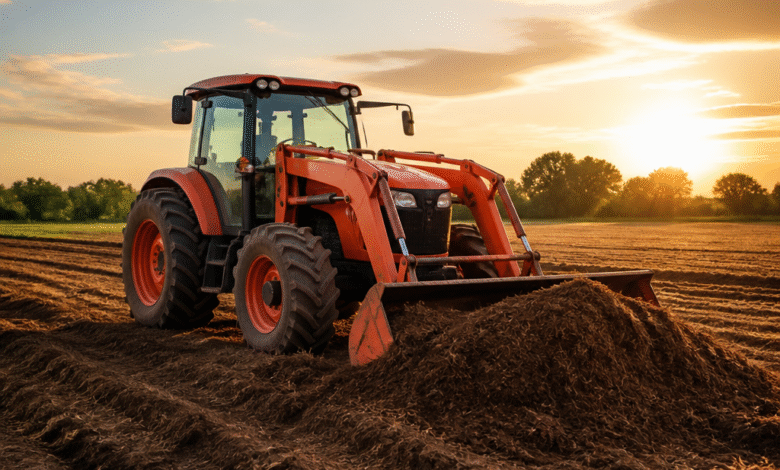
Modern farming demands more than hard work and good soil. It demands precision, efficiency, and the right equipment working in harmony with the land. For small and mid-sized farm operators, the tractor is the backbone of daily operations — but the attachments you pair with it can mean the difference between a productive season and a frustrating one. Choosing the right implements is not simply a matter of convenience; it is a strategic decision that shapes how effectively you manage soil, crops, and time throughout the year.
The Expanding Role of Tractor Attachments in Modern Farming
There was a time when a tractor’s value was measured almost entirely by its horsepower. Today, that equation has shifted dramatically. The versatility of a tractor is now largely determined by the range and quality of attachments it can support. From front loaders and box blades to rotary tillers and post hole diggers, the attachment ecosystem has grown into a sophisticated toolkit that allows farmers to accomplish in hours what once took days.
This shift reflects a broader transformation in agricultural thinking. Farmers are no longer simply growing crops — they are managing ecosystems, monitoring soil health, and optimizing every input for maximum return. Attachments play a central role in this approach, enabling more targeted interventions in the field without the need for multiple specialized machines.
Matching Attachments to Farm Size and Soil Type
One of the most common mistakes farmers make when expanding their equipment lineup is purchasing attachments that are either too large or too underpowered for their specific conditions. A rotary cutter designed for a 60-horsepower tractor will underperform on a compact utility model, while an oversized box blade can cause unnecessary soil compaction on lighter ground. Understanding your farm’s unique demands — terrain, crop type, soil composition, and seasonal workload — is essential before committing to any attachment purchase.
Compact tractors, particularly those in the 25 to 50 horsepower range, are increasingly popular among small farm operators for their maneuverability and fuel efficiency. According to a detailed overview of the best tractor brands for small farms, reliability, parts availability, and dealer support are among the top factors influencing purchasing decisions — all of which directly affect how well your attachment investments will perform over time.
Why Kubota Remains a Benchmark in Farm Equipment
Among the major tractor manufacturers serving the agricultural sector, Kubota has earned a reputation for building machines that balance durability with operator comfort. Their compact and utility tractor lines are particularly well-regarded for their compatibility with a wide range of implements, making them a natural choice for farmers who want to build a versatile, long-lasting equipment fleet.
What sets Kubota apart is not just the quality of the machines themselves, but the depth of the attachment ecosystem that surrounds them. Farmers who invest in Kubota equipment gain access to a broad catalog of purpose-built implements designed to work seamlessly with their tractors’ hydraulic systems, PTO outputs, and three-point hitch configurations. This integration reduces downtime, simplifies maintenance, and ensures that each attachment performs at its intended capacity.
Key Attachments That Deliver Real-World Value
When evaluating which implements to prioritize, experienced farmers consistently point to a core set of attachments that deliver the broadest utility across seasons. Front-end loaders remain the most universally useful, handling everything from moving hay bales to spreading gravel. Rotary tillers are indispensable for seedbed preparation, breaking up compacted soil and incorporating organic matter in a single pass. Box blades and land planes are essential for maintaining farm roads and leveling ground around structures.
For livestock operations, post hole diggers and hydraulic augers save enormous amounts of labor when installing fencing. Finish mowers and brush cutters keep pastures and field edges manageable, while rear blades offer flexible grading capability for a fraction of the cost of dedicated grading equipment. Understanding which of these tools aligns with your specific operation is the first step toward building a genuinely productive attachment lineup. Exploring Kubota Farm Attachments in depth can help farmers identify which implements offer the greatest return on investment for their particular land and crop requirements.
Integrating Sustainable Practices with Equipment Choices
The conversation around farm equipment is increasingly intersecting with sustainability. Farmers are under growing pressure — from both market forces and environmental awareness — to reduce their carbon footprint, minimize soil disturbance, and manage water resources more carefully. Interestingly, the right attachments can support these goals in meaningful ways.
No-till and reduced-till farming, for example, rely on specialized seeding attachments that disturb the soil minimally while still achieving good seed-to-soil contact. Cover crop seeders, subsoil aerators, and precision applicators all contribute to a more sustainable farming model. These tools work in concert with broader farm design strategies — including passive energy systems and microclimate management — that are gaining traction among forward-thinking growers. The concept of designing farms as integrated energy and biological systems, as explored in discussions around passive energy systems in modern agriculture, reflects a growing recognition that equipment choices and farm design are deeply interconnected.
Maintenance and Longevity: Protecting Your Investment
Purchasing quality attachments is only half the equation. Maintaining them properly is what determines their lifespan and continued performance. Grease fittings should be serviced regularly, cutting edges and blades inspected for wear, and hydraulic connections checked for leaks before and after heavy use periods. Storing attachments under cover during off-seasons prevents rust and UV degradation that can compromise structural integrity over time.
Farmers who treat their attachments with the same care they give their tractors consistently report lower repair costs and longer service lives. Keeping a simple maintenance log for each implement — noting service dates, wear observations, and any adjustments made — creates a valuable record that supports better purchasing decisions down the road.
Building a Smarter Equipment Strategy
HR Agri Power has established itself as a trusted resource for farmers navigating the often complex landscape of agricultural equipment. With a focus on practical guidance and product expertise, the platform helps operators at every scale make informed decisions about which implements will genuinely serve their operations — rather than simply adding to equipment clutter. Their approach emphasizes real-world performance over marketing claims, making their content particularly valuable for farmers who want honest, experience-based recommendations.
Conclusion: Equipment as a Long-Term Farm Strategy
The most successful farm operations are built on deliberate, well-researched decisions — and equipment selection is no exception. Choosing the right tractor attachments is not about acquiring the most implements possible; it is about identifying the tools that will genuinely expand your capacity, reduce your labor burden, and support the long-term health of your land. Whether you are outfitting a new operation or upgrading an existing fleet, taking the time to understand your options and align them with your farm’s specific needs will always yield better results than impulse purchasing. Invest wisely, maintain diligently, and let your equipment work as hard as you do.