The Complete Buyer’s Guide to Automated Paint Booths for US Industrial and Automotive Facilities

Finishing quality is rarely a problem until it becomes a persistent one. In industrial and automotive production environments, inconsistent coating application, extended cycle times, and growing regulatory pressure around volatile organic compound emissions have pushed many facility managers to reassess how their finishing operations are structured. For operations that have historically relied on manual spray application, the gaps in throughput and finish consistency tend to compound over time — especially as production volumes increase or workforce availability tightens.
This guide is written for operations professionals, plant managers, and procurement decision-makers who are evaluating whether an automated finishing system fits their current or projected production needs. The focus here is not on technical specifications, but on the practical considerations that determine whether a given system will perform reliably within a specific operational context.
What an Automated Paint Booth Actually Is and How It Functions in Production
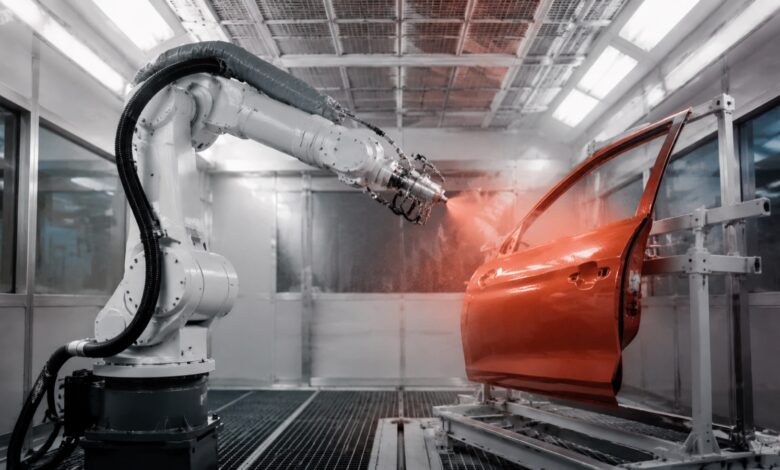
An automated paint booth is an enclosed, controlled-environment system that applies liquid coatings to workpieces using mechanized spray equipment, reciprocators, or robotic applicators — without requiring a painter to be present inside the booth during the spray cycle. The core advantage is not simply speed. It is repeatability. Every pass of the applicator follows the same programmed path, at the same distance, with the same atomization pressure and fluid delivery rate. For operations managing high part volumes or tight finish tolerances, that consistency is operationally significant. Facilities evaluating this category of equipment can find structured configuration options through providers like this automated paint booth service, which outlines how systems are matched to production environments.
The Role of Airflow Management in System Performance
Airflow inside a finishing booth is not a secondary consideration — it is central to finish quality and worker safety compliance. A properly designed system draws air consistently across the spray zone, carries overspray away from the workpiece surface, and exhausts it through filtration media before it reaches the atmosphere. When airflow patterns are disrupted or poorly engineered, overspray can redeposit on finished surfaces, create inconsistent dry film builds, and introduce compliance risk under EPA and OSHA standards. In automated systems, the booth structure and the spray equipment are designed together so that airflow supports rather than interferes with the application process. This integration is one of the more important reasons why sourcing booth equipment and spray automation from a coordinated system, rather than assembling components separately, tends to produce more reliable outcomes.
Reciprocator Systems Versus Robotic Systems
The two most common mechanized application formats in production booths are linear reciprocators and multi-axis robotic arms. Reciprocators are well-suited for flat or uniformly shaped parts that move through the booth on a conveyor. They follow a fixed back-and-forth motion synchronized with conveyor speed, which makes them reliable and relatively straightforward to maintain. Robotic systems offer the ability to follow complex part geometries, adjust spray angles dynamically, and handle a wider variety of part shapes within a single system. The decision between the two depends on the complexity of the parts being finished, the degree of product variety in the line, and the capital and maintenance resources the facility can support over time.
Matching System Configuration to Facility and Production Requirements
No automated finishing system performs well in isolation from the production environment it operates within. The physical layout of the facility, the volume and variety of parts being processed, the coating materials in use, and the regulatory environment in the state or region all shape which system configuration is appropriate. A system that performs correctly in a high-volume automotive component line may be entirely mismatched for a custom fabrication shop running short batches of diverse parts. Understanding this fit before procurement is more valuable than any individual feature a system may offer.
Conveyor Configuration and Part Flow
Automated paint booths are typically built around one of several conveyor formats — monorail overhead conveyors, power-and-free systems, floor conveyors, or indexing tables for batch applications. The choice of conveyor type determines how parts enter and exit the booth, how they are positioned during spray, and how the system handles different part sizes. Power-and-free systems allow parts to be stopped, accumulated, or rerouted, which is valuable in facilities with variable production sequences. Monorail systems are simpler and well-suited to dedicated single-product lines. Misaligning conveyor configuration with production reality is one of the more common sources of throughput problems in newly installed systems, and it is worth spending time on this decision before finalizing booth design.
Coating Material Compatibility and Delivery System Design
The type of coating being applied has direct implications for booth construction, fluid delivery, and ventilation design. Waterborne coatings, which are increasingly common due to VOC regulations enforced under standards maintained by the EPA’s National Emission Standards for Hazardous Air Pollutants, require different atomization equipment and cure management than solvent-based systems. High-solids coatings place different demands on fluid pumps and spray tips. Two-component systems require integrated mixing equipment with precise ratio control. Specifying a booth and delivery system without accounting for the coating chemistry being used can result in application defects, excessive material waste, and premature equipment wear. Any reliable equipment provider should be asking detailed questions about coating materials before configuring a system.
Environmental Controls and Temperature Management
Most industrial coatings have defined application and cure windows tied to temperature and humidity. Applying coating outside of those windows produces predictable problems — poor adhesion, solvent popping, blushing, extended cure times, or finish defects that require rework. Automated booth systems designed for professional production environments include conditioning systems that maintain consistent temperature and humidity throughout the spray and flash-off cycle. In climates with wide seasonal variation, this conditioning capacity is not optional — it is what separates a system that performs reliably year-round from one that introduces quality variance based on ambient conditions.
Evaluating Operational Costs Beyond Initial Capital Expenditure
The purchase price of an automated finishing system represents only one portion of what the system will cost over its service life. Facilities that evaluate capital equipment purchases on initial cost alone tend to encounter budget pressure from operating expenses that were underestimated or not accounted for. Understanding the full cost profile of a system before committing to a configuration helps avoid that outcome.
Energy Consumption and Conditioning Load
Finishing booths that condition incoming air — heating in winter, cooling and dehumidifying in summer — carry ongoing energy costs that vary with climate, production hours, and booth size. Systems with heat recovery capability recapture exhaust energy to pre-condition incoming air, which meaningfully reduces conditioning load in facilities that run extended shifts. Variable frequency drives on exhaust fans allow airflow to be adjusted to actual demand rather than running at full capacity continuously. These features add to initial system cost but reduce operating cost over time, and the payback period is worth calculating before making a configuration decision.
Filter Maintenance and Overspray Management
Overspray capture is an ongoing maintenance requirement in any spray finishing environment. Dry filter systems use replaceable media panels that capture particulate overspray and require regular replacement based on production volume and coating type. Wet wash systems use a water curtain to capture overspray, which eliminates frequent filter replacement but introduces water treatment and disposal requirements. The right approach depends on production volume, coating materials, and the facility’s capacity to manage waste streams. Neither system eliminates maintenance — they shift where that maintenance occurs.
Throughput Efficiency and Rework Rate
One of the more direct financial justifications for automated finishing equipment is the reduction in rework caused by application inconsistency. In manual finishing operations, variation in technique, fatigue, and environmental inconsistency contribute to defect rates that require parts to be sanded, recoated, or scrapped. Automated systems running calibrated programs in controlled environments produce measurably lower defect rates for comparable part types. Over time, the reduction in material waste, labor for rework, and delayed shipments translates into real cost savings — though the degree of improvement depends on how significant the current defect rate is and how well the automated system is configured and maintained.
Regulatory and Safety Considerations for US Facilities
Finishing operations in the United States operate within a defined regulatory framework covering air emissions, worker exposure limits, and facility fire safety standards. These requirements are not static — they are subject to revision at the federal and state level, and facilities operating older equipment may find themselves out of compliance as standards tighten. Automated booths designed and installed to current standards are generally better positioned for compliance longevity than aging manual systems that were built under older requirements.
Ventilation and Worker Exposure Standards
OSHA maintains permissible exposure limits for the solvents and isocyanates present in many industrial coatings. In manual finishing operations, painters working inside the booth are the primary exposure concern. In automated systems where the spray cycle runs without personnel inside the active booth, exposure risk during application is substantially reduced. This does not eliminate all exposure risk — maintenance personnel, system operators, and those handling coating materials still require appropriate protective equipment and training — but it changes the exposure profile of the operation in ways that are worth factoring into safety program design.
Fire Safety Classification and Booth Construction Standards
Spray finishing environments are classified as hazardous locations under the National Fire Protection Association’s standards because of the flammable vapors produced during coating application. Booths must be constructed and equipped to meet these classifications, including explosion-proof electrical components, proper bonding and grounding of all equipment, and compliant fire suppression systems where required. Any automated finishing system purchased for use in the United States should be documented as compliant with applicable NFPA standards. Buyers should request this documentation from suppliers as part of the procurement process, not as an afterthought during installation review.
Selecting a Supplier and Managing the Installation Process
The supplier relationship for a capital finishing system extends well beyond the transaction itself. System design, installation sequencing, commissioning, operator training, and ongoing technical support are all parts of the supplier’s role in a successful installation. A supplier who delivers equipment but provides limited commissioning support or training puts the facility in the position of troubleshooting a complex system without adequate reference points.
What to Evaluate in a Supplier Before Committing
Beyond product quality, a supplier’s track record with comparable installations, their availability for service and parts, and their willingness to conduct a thorough site assessment before proposing a system configuration are meaningful indicators of how the relationship will function after purchase. Suppliers who propose a system without visiting the facility or conducting a detailed intake process are unlikely to deliver a configuration that fits the actual production environment. The intake process — where a supplier asks about part geometry, coating materials, production volume, conveyor requirements, and regulatory constraints — is where the quality of the supplier relationship first becomes apparent.
Installation Planning and Production Continuity
Installing an automated finishing system in an operating facility requires careful coordination to minimize disruption to ongoing production. Depending on the facility layout and existing equipment, installation may require temporary relocation of finishing operations, sequenced shutdown of sections of the production line, or pre-installation infrastructure work including electrical service upgrades, ventilation rough-in, or floor preparation. Facilities that plan installation in coordination with production scheduling and supplier timelines tend to experience shorter disruption windows than those that treat installation as a separate logistics problem.
Conclusion: Making a Decision That Holds Up Over Time
An automated paint booth is a long-term capital commitment, and decisions made during the evaluation and procurement phase will shape how the system performs for years afterward. The most reliable outcomes tend to come from facilities that invest time in understanding their own production requirements before engaging suppliers, that evaluate system configurations against real operational constraints rather than feature lists, and that treat supplier selection as seriously as equipment selection.
Finish quality, throughput consistency, regulatory compliance, and operating cost are all interconnected outcomes of how well the system is matched to the environment it operates in. Getting that match right requires a structured evaluation process — one that accounts for part complexity, coating chemistry, facility layout, workforce capacity, and the regulatory environment the facility operates within. Buyers who work through those questions methodically, rather than defaulting to the lowest initial cost option, are far more likely to be satisfied with the system they end up running.