Marathon organizers face a significant decision when planning their event: how to recognize and celebrate the achievement of runners who cross the finish line. Custom medals have become the standard way to honor these accomplishments, serving as a tangible reminder of the physical and mental effort participants invested in completing the race. Beyond the practical function of acknowledging achievement, a well-designed medal can elevate the entire marathon experience and encourage future participation. Understanding the process of obtaining custom medals involves knowing what options exist, how to work with manufacturers, and what factors affect both cost and quality.
Selecting the Right Type of Medal
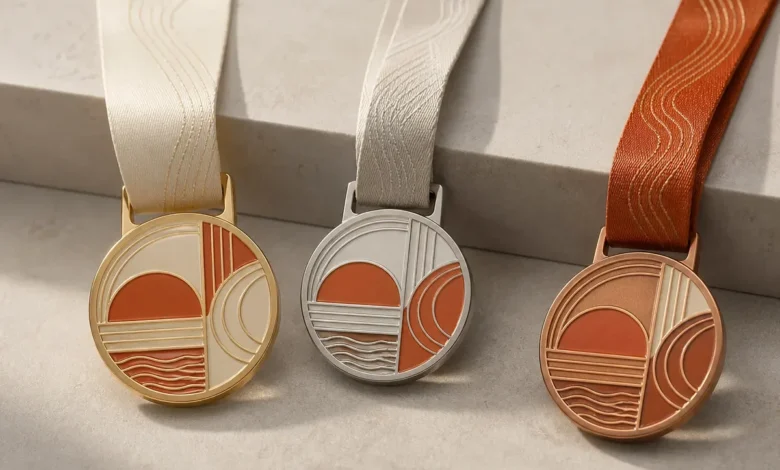
The first step in acquiring custom medals for a marathon is deciding what style best fits the event’s identity and budget. There are several primary medal types available, including ribbon medals, which feature a metal disk suspended from a decorative ribbon, and finisher medals with built-in stands or holders. Ribbon medals remain the most popular choice for marathons because they are affordable, lightweight for participants to carry, and instantly recognizable as race achievement awards. Some event organizers opt for more elaborate designs featuring multiple layers of metal, enamel accents, or die-struck details that create a premium appearance. The medal type chosen should reflect the event’s prestige level and appeal to the target audience of runners.
When selecting a medal type, consider how participants will display and transport their awards. A heavier, more ornate medal might feel more impressive in a runner’s hand, but it also increases weight and shipping costs. For large marathons with thousands of finishers, the cumulative effect of heavier medals can significantly impact both manufacturing and distribution expenses. Lightweight ribbon medals with laser-engraved or printed designs offer an excellent middle ground, providing visual appeal without excessive weight or cost. Speaking with previous race participants about their medal preferences can provide valuable insight into what design direction will resonate most with the running community.
Understanding Manufacturing Methods and Quality
Different manufacturing techniques produce varying levels of quality, detail, and cost in custom medals. Stamped medals, created by pressing a metal sheet into a custom die, represent a cost-effective option suitable for large-volume orders with 1,000 or more units. Die-struck medals involve multiple stages of metal compression and are capable of holding fine details and intricate designs, making them ideal for premium marathons. Soft enamel medals feature recessed areas filled with colored enamel, creating a tactile, multi-dimensional appearance that many participants find visually appealing. Hard enamel medals offer a smoother finish and greater durability over time, though they cost more than soft enamel options.
The choice between manufacturing methods depends on budget, order quantity, and desired aesthetic. Laser engraving presents another manufacturing option, where text, logos, and images are precisely etched into the medal surface using computer-guided laser technology. This method works well for adding personalized runner names or race-specific details to otherwise standard medal designs. Understanding the trade-offs between manufacturing approaches helps organizers make informed decisions that balance cost, durability, and visual impact. Requesting samples from manufacturers before committing to a full order ensures you see the actual quality you will receive rather than relying solely on digital mockups.
Planning Your Design and Customization
Creating an effective marathon medal design requires balancing aesthetics with practical manufacturing considerations. A strong design should incorporate the race’s logo, the race year or edition number, and ideally some visual element that conveys the marathon experience or local geography. Many successful marathon medals feature imagery related to running, such as stylized runners, finish line ribbons, or milestone distance markers like “26.2 miles.” The color scheme and material choices should complement overall race branding to create visual consistency across bibs, t-shirts, and other event merchandise. Working with an experienced designer who understands medal manufacturing constraints ensures the artistic vision translates accurately into physical production.
Customization options extend beyond the medal face itself. Ribbon colors can be personalized to match event branding, custom ribbon imprints can display the marathon’s name, and unique features such as a built-in bottle opener can be added to commemorative medals. Some organizers choose to include the runner’s finishing time or placement category on the medal itself, though this requires additional coordination during the fulfillment process. Thinking ahead about what information belongs on each medal helps streamline production and ensures consistent quality across all finisher awards. Digital mockups from the manufacturer allow organizers to visualize different design elements before committing to production.
Coordinating Quantities, Timelines, and Delivery
Determining how many medals to order requires realistic estimates of race participation and potential growth. Most marathon organizers order based on their expected finisher count, but accounting for future race growth prevents shortages if participation exceeds projections. Manufacturing timelines vary depending on order size and current production schedules, typically ranging from four to twelve weeks for standard orders. Placing an order at least three months before race day provides a comfortable buffer for manufacturing, quality checks, and shipping. Communication with the medal manufacturer about deadlines ensures medals arrive with enough time to verify quality and prepare for race-day distribution.
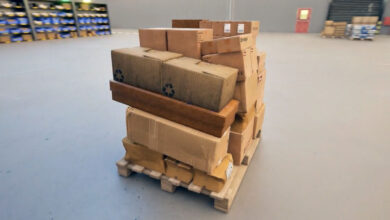
Shipping and fulfillment logistics deserve careful attention, particularly for large marathons with 5,000 or more finishers. Direct shipment to the race location reduces handling and storage costs, but adequate warehouse space is needed to organize medals before distribution begins. Some races coordinate with their race packet pickup system to distribute medals simultaneously with bibs and t-shirts, while others arrange medal distribution at the finish line to make the award experience immediate and memorable. Planning these logistics early prevents last-minute complications and ensures the medal presentation runs smoothly as part of overall race operations.
Budget Considerations and Cost Management
Understanding the cost structure of custom medals helps organizers allocate race budgets effectively and avoid unexpected expenses. Per-medal costs decrease significantly with larger order quantities, with prices potentially dropping by 30 to 50 percent when ordering 5,000 units versus 500 units. Material costs represent the largest expense factor, followed by manufacturing labor, customization charges, and shipping fees. Building a 10 to 15 percent contingency buffer into the medal budget accounts for design revisions, potential reorders of defective units, or rush fees if timelines become compressed. Marathon organizers who need to honor thousands of finishers while keeping per-unit costs competitive often rely on custom medals sourced from manufacturers that offer volume pricing and flexible design support. Comparing quotes from multiple manufacturers reveals which vendors offer the best value for specific customization needs.
Beyond the base medal cost, additional expenses such as design services, packaging, and presentation materials merit consideration. Some manufacturers offer free or reduced-cost design support as part of their service, while others charge separately for graphic design work. Branded medal boxes or protective pouches can enhance the unboxing experience and protect the award during and after the event. These supplementary investments can improve participant satisfaction and create stronger emotional connections to the race.
Conclusion
Custom medals transform a marathon finish line moment into a lasting commemorative achievement. By carefully selecting medal types that align with an event’s identity, understanding available manufacturing methods, and planning designs with manufacturing constraints in mind, organizers create awards that participants will treasure for years. Coordinating quantities and timelines well in advance prevents stress and ensures reliable delivery before race day. The process of obtaining custom medals requires attention to detail and advance planning, but the result serves as a cornerstone element of a well-run marathon experience.