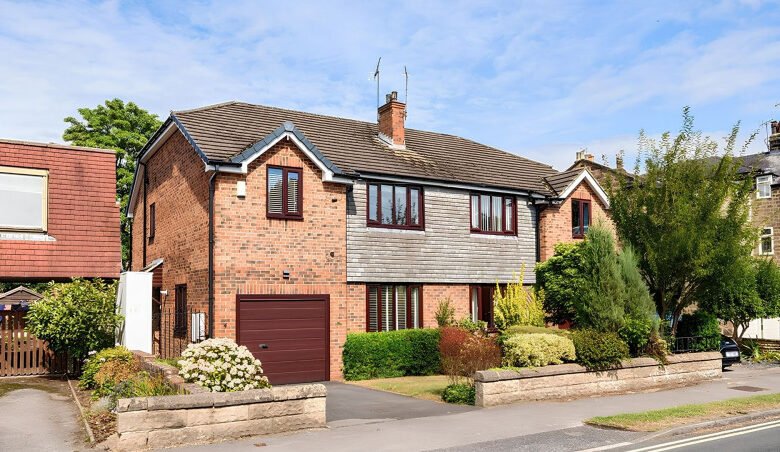
Harrogate’s period townhouses appeal to buyers who value traditional architecture, generous room proportions and established residential streets. Before making an offer, however, it is important to look beyond decorative fireplaces and sash windows. A thorough assessment of the building’s condition, heritage restrictions, renovation history and ongoing maintenance costs can help you make a more informed purchase.
1. Check the Building’s Structure and Condition
Period townhouses can have features that require specialist attention, particularly if maintenance has been deferred or previous alterations were poorly executed. Arrange a suitable property survey before committing to the purchase.
Pay particular attention to:
- Roof and chimney stacks: Look for slipped tiles, damaged flashing, deteriorating mortar and signs of water ingress around chimney breasts.
- Walls and foundations: Check for significant cracking, bulging masonry and uneven floors. Older buildings may have some movement, but a surveyor should assess whether it indicates an ongoing structural issue.
- Damp and ventilation: Investigate musty smells, peeling plaster, staining and condensation. Traditional buildings may need different moisture-management approaches from modern homes.
- Timber features: Inspect exposed beams, floorboards, window frames and roof timbers for decay or wood-boring insect damage.
- Rainwater goods: Blocked gutters and leaking downpipes can allow water to penetrate walls and damage internal finishes.
Avoid assuming that every imperfection indicates a serious problem. Equally, do not dismiss visible defects as normal for an older property. Obtain professional advice on their cause, likely repair requirements and potential cost.
2. Understand Listed Status and Conservation Restrictions
Harrogate has a distinctive historic townscape, and some period properties fall within designated conservation areas or are individually listed. These designations can influence the changes you are permitted to make.
Before making an offer, check the property’s status and review any relevant planning records. If the building is listed, alterations affecting its special architectural or historic character may require listed building consent. This can apply to internal features as well as the exterior.
Conservation area restrictions may also affect changes such as replacement windows, doors, roof materials and boundary features, depending on the property’s location and applicable controls.
This matters if you intend to modernise the kitchen, alter the layout, install new windows or convert the loft. Establish which permissions may be required before relying on renovation plans when assessing the property’s value.
Ask your solicitor to investigate relevant consents for previous works. If an extension or substantial alteration has already been completed, check whether the necessary approvals and building regulations documentation are available.
3. Examine Original Features and Previous Renovations
One of the attractions of a period townhouse is its architectural character. High ceilings, decorative cornices, original fireplaces, timber staircases and traditional windows can all contribute to its appeal.
During a viewing, look for features that appear to have been retained, repaired or replaced. Original elements may need careful maintenance, while inappropriate modern alterations can create additional work if you want to restore the property.
Pay particular attention to the following:
- Windows and doors: Check their condition, operation, draughts and evidence of previous replacement.
- Fireplaces and chimneys: Establish whether fireplaces are functional, blocked or purely decorative. Any intended use should be assessed for safety.
- Internal layout: Look for removed walls, altered staircases and changes that may require structural or regulatory approval.
- Floors and ceilings: Uneven surfaces, cracks and sagging may warrant further investigation.
- Heating and electrics: Ask about the age of the boiler, electrical installation and any recent upgrades.
A recently renovated interior does not necessarily mean the underlying building has been properly maintained. Request information about significant works, warranties and available certificates rather than relying on appearance alone.
4. Compare Harrogate Locations and Everyday Convenience
The street and surrounding area can influence how well a period townhouse suits your lifestyle. Harrogate offers a range of established residential settings, each with different property styles, amenities and travel considerations.
The town centre may appeal to buyers who want convenient access to shops, restaurants and everyday services. However, assess parking arrangements, traffic, noise and the amount of outdoor space available with an individual property.
The Duchy is worth exploring if you prefer established residential streets and larger period homes. Compare the condition, layout and maintenance requirements of individual properties rather than assuming that every townhouse will offer the same features.
The Cold Bath Road area provides access to independent shops, cafés and local amenities. Buyers should consider street-by-street differences, including parking, traffic and the practical journey to work or school.
Wherever you look, visit at different times of day if possible. Check the walk to local facilities, public transport options and access to Harrogate railway station if you commute. These details can influence your day-to-day experience as much as the property itself.
Speaking with estate agents in Harrogate can help you compare available homes and understand the practical differences between locations, property types and individual streets.
5. Calculate the Full Cost of Ownership
The asking price is only one part of the financial commitment involved in buying a period townhouse. Older buildings may require more frequent maintenance, specialist materials or skilled tradespeople familiar with traditional construction.
Before making an offer, prepare a realistic budget that includes the purchase costs and any immediate repairs identified during viewings or surveys.
Consider the likely cost of:
- Roof repairs, chimney maintenance and external masonry work.
- Repairing traditional windows, doors and decorative features.
- Upgrading heating, electrical installations or plumbing.
- Improving insulation and reducing draughts without damaging the building.
- Maintaining gardens, boundary walls and any shared access arrangements.
Energy efficiency deserves particular attention. Ask for the Energy Performance Certificate and consider whether improvements would be practical within the building’s construction and any heritage restrictions. Avoid assuming that standard modern insulation methods are suitable for every older property.
If substantial repairs are required, obtain quotations from appropriately qualified contractors. Use those estimates to assess affordability and decide whether the asking price reflects the work involved.
6. Complete the Essential Checks Before Making an Offer
A period townhouse may be an excellent long-term purchase, but its appeal should be supported by evidence about its condition, legal status and running costs.
Before making an offer, establish whether the property is freehold or leasehold and ask your solicitor to investigate the title, boundaries, rights of way, restrictive covenants and any shared maintenance obligations. If the property has been altered, request the available planning permissions, listed building consents and building regulations documentation.
Commission an appropriate survey and ask the surveyor to identify any issues requiring specialist investigation. Depending on the findings, you may need advice from a structural engineer, damp specialist or contractor experienced in traditional buildings.
Finally, review your budget against the likely cost of repairs and future maintenance. A clear understanding of the property’s strengths and limitations puts you in a better position to negotiate and make a decision that suits your finances.
Frequently Asked Questions
What should I check first when buying a period townhouse in Harrogate?
Start by assessing the building’s overall condition and checking whether it is listed or located within a conservation area. Arrange an appropriate survey to investigate the roof, walls, damp, timber and previous alterations. These checks can identify potential costs and restrictions before you commit to the purchase.
Can I replace the windows in a listed Harrogate townhouse?
Replacement windows may require listed building consent if the property is listed and the proposed work affects its special architectural or historic character. Conservation area controls may also apply to some properties. Check the property’s designation and obtain advice from North Yorkshire Council before ordering replacement windows or starting work.
Are period townhouses more expensive to maintain than modern homes?
They can be, particularly where original features require specialist repairs or the building has not been maintained consistently. However, costs vary considerably with the property’s condition, construction and previous renovation history. A detailed survey and realistic repair estimates provide a better basis for comparison than age alone.
What survey is best for an older townhouse?
The appropriate survey depends on the property’s age, construction, condition and complexity. A more detailed building survey may be suitable for an older home, especially if it has visible defects or extensive alterations. Discuss the property with a qualified surveyor before choosing a service, and follow up any recommended specialist investigations.
Should I make an offer before checking renovation permissions?
You can make an offer before every detail is resolved, but you should not assume that proposed alterations will be approved. If your decision depends on extending the property, changing its layout or replacing historic features, investigate the relevant restrictions early. Make sure your solicitor checks previous consents and seek planning or conservation advice where necessary.