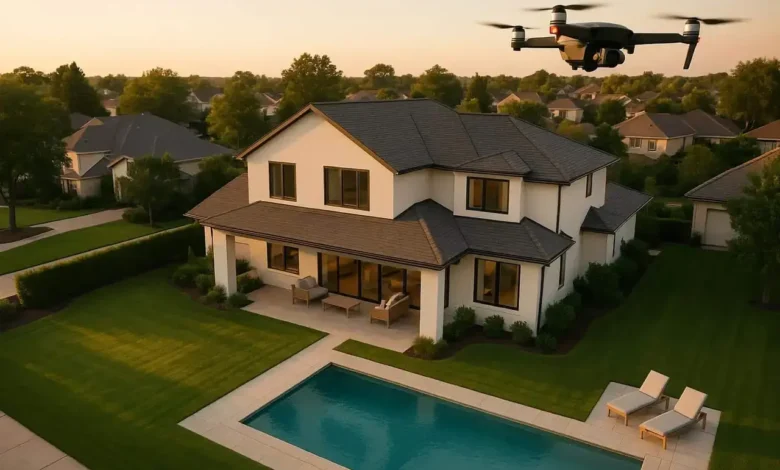
The way properties are marketed has changed significantly in recent years. Buyers increasingly expect more than static photographs and brief descriptions when exploring homes online. High-quality video tours, neighbourhood footage and aerial imagery can give potential buyers a much stronger sense of a property before they arrange a viewing. For Estate Agents in Coventry, incorporating video marketing and drone footage into property campaigns can be an effective way to increase engagement, strengthen listings and potentially improve the chances of generating qualified enquiries.
Why Video Marketing Matters in Property Sales
Property is a highly visual purchase, and video allows prospective buyers to experience a home in a way that traditional photography cannot always achieve. A well-produced property video can guide viewers through the layout, highlight key features and create a stronger understanding of how rooms connect.
Video can also help answer some of the initial questions buyers may have before arranging a viewing. Instead of relying solely on a collection of photographs, potential buyers can see the flow of the property, the proportions of different spaces and important details such as gardens, entrances and living areas.
This can make property marketing more informative while helping agents attract people who have already developed an interest in the property.
The Role of Drone Footage
Drone photography and video have become increasingly popular in property marketing, particularly for larger homes, rural properties and houses with substantial gardens or attractive surroundings. Aerial footage provides a perspective that conventional cameras cannot easily achieve.
A drone can show the relationship between a property and its surrounding land, nearby roads, green spaces and local amenities. For properties with extensive gardens, landscaped grounds or distinctive architectural features, aerial footage can communicate the scale and setting much more effectively.
For urban properties, drone footage can also provide useful context. Buyers may be interested in understanding how a property sits within its wider neighbourhood, particularly when location plays an important role in their purchasing decision.
However, aerial footage should serve a clear marketing purpose rather than being included simply because it looks impressive. The strongest campaigns use drone footage to communicate information that conventional photography cannot provide.
How Video Can Improve Property Engagement
One of the main advantages of video marketing is its ability to capture attention. Property listings compete with a large amount of content across property portals, search engines and social media platforms. A professionally produced video can help a listing stand out and encourage potential buyers to spend more time exploring it.
Video can also be repurposed across multiple marketing channels. A full property tour could appear on the agent’s website, while shorter clips can be adapted for social media platforms. Individual features can also be turned into short-form content, such as a kitchen walkthrough, garden showcase or aerial view of the property’s surroundings.
This creates additional opportunities to reach prospective buyers without having to create completely new content for every channel.
Understanding the ROI of Property Video
The return on investment from video marketing should not be measured solely by the number of views a property video receives. While views and engagement can provide useful indicators, agents should ultimately consider whether video contributes to meaningful business outcomes.
Website traffic, enquiry volumes, viewing requests and lead quality can all help establish whether video is contributing to a property’s marketing performance. Agents can compare listings using different levels of visual content to identify whether enhanced media is associated with stronger engagement or increased enquiries.
Tracking is particularly important when video is distributed through different channels. Website analytics, social media insights and enquiry data can provide a broader picture of how prospective buyers interact with property content.
Over time, this information can help agencies determine which types of video content deliver the greatest value and where production budgets should be allocated.
Creating Effective Property Videos
Quality is important, but effective property video does not necessarily mean producing a cinematic production for every listing. The content should be clear, stable, well-lit and professionally presented.
The video should establish the property’s strongest selling points early. A compelling opening can encourage viewers to continue watching, while a logical sequence can make the tour easier to follow. Movement should also be purposeful. Excessive camera movement or unnecessary transitions can make a video feel distracting rather than informative.
For premium properties, a more sophisticated production may be appropriate. This could include professional narration, carefully planned camera movements, lifestyle footage and aerial sequences. For standard listings, a concise and informative walkthrough may provide sufficient value.
The important consideration is matching production quality with the property, target audience and marketing objectives.
Combining Ground and Aerial Footage
Ground-level video and drone footage can work particularly well together. Interior footage provides information about the property’s rooms and features, while aerial footage establishes context and demonstrates the surrounding environment.
A strong property video might begin with an aerial establishing shot before moving into the property. It could then transition through the principal living spaces before returning to exterior footage showing gardens, parking areas or the wider location.
This creates a more complete visual narrative and allows prospective buyers to understand both the property itself and its setting.
SEO Benefits of Property Video
Video can also contribute to a broader digital marketing strategy. Property pages containing useful multimedia content can provide visitors with additional ways to engage with the page, potentially increasing the overall value of the content.
Agents should ensure that videos are accompanied by descriptive titles, relevant surrounding copy and appropriate metadata. Transcripts or supporting descriptions can also help make video content more accessible and provide search engines with additional contextual information.
Embedding video should not come at the expense of website performance. Large video files can affect page loading speeds, so videos should be hosted and implemented carefully to maintain a positive user experience.
Best Practices for Drone Property Marketing
Drone footage should always be captured responsibly and in accordance with applicable aviation and privacy requirements. Professional drone operators can help agents ensure that footage is captured safely and appropriately.
It is also important to plan aerial shots before filming. The most useful footage should demonstrate something meaningful about the property rather than simply providing a series of generic overhead shots.
Weather and lighting can make a significant difference to the final result. Clear conditions and suitable lighting can make gardens, architecture and surrounding landscapes considerably more appealing. Scheduling the shoot carefully can therefore improve the quality of the finished marketing material.
Making Video Part of a Long-Term Property Strategy
Video marketing is most valuable when it becomes part of a consistent property marketing strategy rather than an occasional add-on. Agents can develop repeatable formats for property tours, neighbourhood videos, market updates and social media content.
Neighbourhood videos can be particularly useful because they allow agencies to demonstrate local knowledge while showcasing the lifestyle associated with different areas. This can support both individual property campaigns and broader brand visibility.
For Estate Agents in Coventry, combining property tours with local area footage can help prospective buyers understand not only what a property looks like but also what living in the surrounding area could be like.
Conclusion
Video marketing and drone footage can add significant value to modern property campaigns when they are used strategically. From providing a better understanding of a property’s layout to showcasing gardens, surroundings and neighbourhood context, visual content can make listings more informative and engaging.
The key to achieving a worthwhile return is not simply producing more video. It is creating relevant, high-quality content, distributing it across appropriate channels and measuring how it contributes to enquiries and property marketing performance.
As buyers continue to research properties digitally before arranging viewings, estate agencies that use video and aerial content effectively can provide a richer online experience while strengthening their overall property marketing strategy.