Albumīns: The Essential Blood Protein That Supports Fluid Balance, Transport, and Overall Health

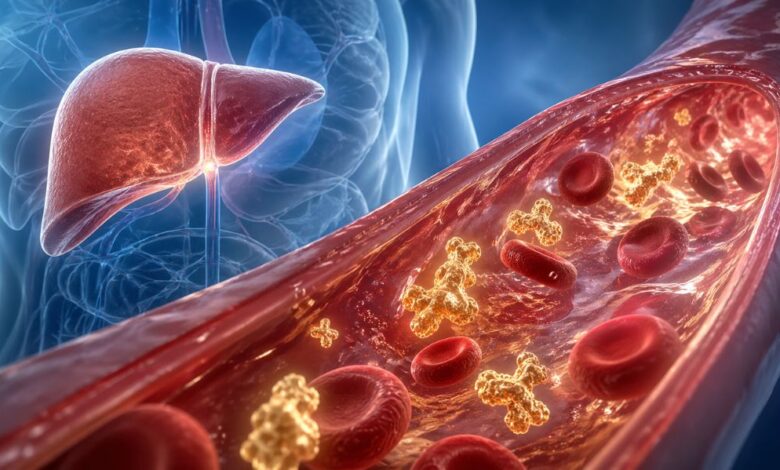
Albumīns is an important protein in human blood, but many people only hear about it during blood tests or health discussions. The liver produces albumin and releases it into the bloodstream, where it becomes a major component of blood plasma. Simply put, albumin helps the body keep fluid in the right places, moves important substances around, and gives doctors clues about how well certain organs are working. Since it is connected to the liver, kidneys, inflammation, nutrition, and hydration, Albumīns is more than just a blood test number. It is a steady marker of your body’s internal balance.
What Is Albumīns?
Albumīns is a protein that dissolves in water and is found in blood plasma. Plasma is the liquid part of the blood that carries cells, nutrients, hormones, minerals, waste, and proteins around the body. Among these proteins, albumin is the most common. It makes up a big part of total plasma protein and helps keep the bloodstream stable. The liver produces albumin, which is why albumin levels are often checked to assess liver function. A healthy liver usually makes enough albumin for the body’s daily needs, but albumin can drop if production goes down, if the body loses too much protein, or if inflammation changes how the body deals with protein.
Why Albumīns Is So Important in the Body
Albumīns is important because it can perform many functions simultaneously. One key job is maintaining fluid within blood vessels, which is called oncotic pressure. Without enough albumin, fluid can leak into body tissues, causing swelling in areas like the legs, feet, or abdomen. Albumin also serves as a carrier protein, binding and transporting substances such as fatty acids, hormones, bilirubin, minerals, and some medicines. This helps the body move materials safely and deliver them to where they are needed. In this way, albumin acts like a trusted delivery system inside the body.
Albumīns and Fluid Balance
Albumīns plays a clear role in maintaining fluid balance. Blood vessels are not sealed tubes; fluid goes back and forth between the bloodstream and nearby tissues. The body needs careful balance so enough fluid stays in the blood while tissues get what they need. Albumin pulls water back into blood vessels and stops extra fluid from building up outside them. When albumin drops too low, this balance can weaken. That’s why people with very low albumin may get swelling from fluid buildup. This swelling is not caused by albumin alone, but low albumin can add to the problem, especially in liver disease, kidney disease, severe inflammation, or poor nutrition.
Albumīns as a Transport Protein
Albumīns is also a major transport protein. Many things in the body can’t travel easily in blood plasma. Albumin binds to these things and carries them through the blood. This includes fatty acids, some hormones, bilirubin, calcium, and certain medicines. This job matters in medicine because albumin can affect how drugs move through the body. When albumin is low, the amount of active drug may change for some medicines. This does not mean everyone with low albumin will have problems with medicines, but it shows why doctors check albumin when looking at health, especially in people with complex conditions.
What an Albumīns Blood Test Shows
An albumin blood test measures the amount of albumin in the blood. It is often part of routine blood panels, liver tests, or total protein tests. Doctors may check albumin levels to assess liver or kidney health, nutrition, inflammation, or swelling. One albumin result should not be viewed alone. It is usually compared with other test results, symptoms, medical history, and physical exam findings. For example, low albumin can occur in liver disease, but it can also occur with kidney disease, intestinal protein loss, inflammation, burns, serious infection, or malnutrition. This is why albumin is a clue, not a complete diagnosis.
Low Albumīns: What It May Mean
Low Albumīns, also called hypoalbuminemia, means the blood albumin level is below the expected range. This can happen for several reasons. The liver may not be producing enough albumin, a condition that can occur in chronic liver disease. The kidneys may be losing albumin into the urine, especially in certain kidney disorders. The digestive system may lose protein through the intestines in some medical conditions. Severe inflammation, infection, trauma, burns, or long-term illness can also reduce albumin levels because the body changes how it produces and uses proteins during stress. Poor protein intake or poor absorption may also contribute, although albumin is not a perfect nutrition marker on its own. A low result should be discussed with a qualified healthcare professional because the cause matters more than the number alone.
Symptoms That Can Be Linked With Low Albumīns
Low Albumīns may not always cause obvious symptoms at first. Some people only discover it after routine blood work. When albumin levels drop significantly, symptoms may appear depending on the underlying cause. Possible signs include swelling in the legs or ankles, fluid buildup in the abdomen, fatigue, weakness, poor wound healing, or unexplained weight changes related to fluid retention. In kidney-related protein loss, urine may appear foamy in some cases. In liver-related illness, other signs such as jaundice, easy bruising, or abdominal swelling may be present. These symptoms can have many causes, so they should never be used for self-diagnosis. The safest approach is to treat low albumin levels as a signal that the body needs a more thorough medical review.
High Albumīns: Is It Common?
High Albumīns is less commonly discussed than low albumin. When albumin appears high on a blood test, one of the most common explanations is dehydration. If the body has less water in the bloodstream, albumin may look more concentrated. This does not always mean the body is producing too much albumin. Severe fluid loss from diarrhea, vomiting, heavy sweating, or inadequate fluid intake can affect blood volume and blood pressure. In many cases, doctors interpret high albumin levels in combination with other hydration markers and the person’s recent health history. Like low albumin, a high albumin result should not be judged in isolation.
Albumīns, Liver Health, and Kidney Health
Because Albumīns is made by the liver, it is often used as a marker of liver function. If the liver is damaged over time, its ability to produce proteins may decline, resulting in lower albumin levels. However, albumin may remain normal in early liver problems, so it is not the only test used to assess the liver. Kidney health is also closely connected to albumin. Healthy kidneys usually prevent large proteins, such as albumin, from entering the urine. When kidney filters are damaged, albumin may leak into the urine. This is why urine albumin testing is important in people at risk of kidney disease, especially those with diabetes or high blood pressure. In both liver and kidney health, albumin helps doctors understand how the body is functioning internally.
Nutrition and Albumīns
Many people associate Albumīns directly with protein intake, and there is some truth to that connection. The body needs amino acids from food to build proteins, including albumin. However, albumin levels are not simply a mirror of how much protein someone ate yesterday. Inflammation, liver function, kidney loss, hydration status, and chronic disease can all affect albumin. A person may consume enough protein yet still have low albumin levels due to illness or inflammation. Another person may have poor nutrition, but albumin may not fall immediately. This is why albumin should be understood as a broad health marker rather than a simple diet score. Good nutrition supports albumin production, but medical causes must be considered when results are abnormal.
How Doctors Interpret Albumīns Results
Doctors usually interpret Albumīns results by looking at the full clinical picture. They may review total protein, globulin, liver enzymes, kidney markers, urine protein, inflammatory markers, and symptoms. They may also ask about recent illness, weight loss, swelling, medications, diet, digestive problems, or chronic conditions. The same albumin value may mean different things in different people. For example, low albumin in a person with swelling and abnormal urine protein may suggest kidney protein loss, while low albumin with liver-related abnormalities may point in another direction. This careful interpretation is important because treating albumin itself is not always the goal. In most cases, the priority is to find and treat the underlying cause.
Can Albumīns Levels Be Improved?
Improving Albumīns levels depends on the cause of the abnormality. If low albumin is linked to poor nutrition, a doctor or dietitian may recommend increased protein and calorie intake. If it is caused by kidney disease, treatment focuses on protecting kidney function and reducing protein loss. If liver disease is involved, the plan depends on the type and severity of liver damage. If inflammation or infection is driving the low level, controlling the illness may help albumin recover. People should avoid trying to treat abnormal albumin levels with supplements or extreme diets without medical guidance. Albumin is connected to complex body systems, and safe treatment must be based on the correct cause.
Why Albumīns Matter for Overall Health
Albumin matters because it reflects several essential body processes simultaneously. It supports circulation, fluid balance, substance transport, and organ function assessment. It can help reveal hidden problems, monitor known conditions, and guide doctors toward further testing when needed. A normal albumin level can be reassuring, while an abnormal result can encourage early investigation. Still, albumin should always be understood as one part of a larger health picture. It is powerful because it connects to many systems, but that also means it must be interpreted with care.
Conclusion
Albumīns is a vital blood plasma protein produced by the liver and used throughout the body for fluid balance, transport, and overall internal stability. It helps keep fluid inside blood vessels, carries important substances through the bloodstream, and gives doctors useful information about liver health, kidney function, nutrition, hydration, and inflammation. Low albumin may be linked to liver disease, kidney protein loss, inflammation, intestinal protein loss, or poor nutrition, while high albumin is often associated with dehydration. Because albumin results can have different meanings for different people, they should be reviewed alongside symptoms and other medical tests. In short, Albumīns is not just a number on a lab report; it is one of the body’s most important proteins and a valuable clue to overall health.