The 844 area code is one of the most commonly searched toll-free codes because many people receive calls from 844 numbers and want to know whether they are safe, official, or connected to a specific location. Unlike normal area codes that usually point to a city or state, the 844 area code is not tied to one physical place. It is used by businesses, customer service teams, support centres, healthcare providers, financial companies, and national organisations to make communication easier for customers. However, because toll-free numbers can also be misused by scammers, it is important to understand what an 844 number means before answering, calling back, or sharing personal information. This guide explains the purpose of the 844 area code, how it works, why companies use it, and how you can identify whether an 844 call is genuine or suspicious.
What Is the 844 Area Code?
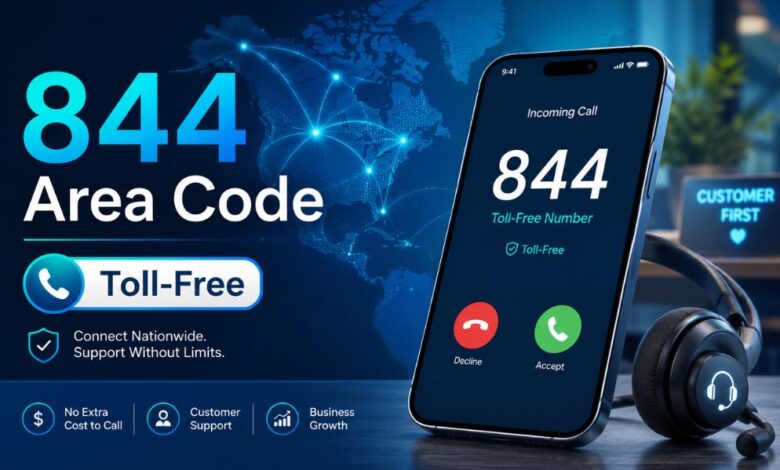
The 844 area code is a toll-free telephone code used across the North American Numbering Plan, which includes the United States, Canada, and several other participating regions. Unlike regular area codes that are associated with a particular city, state, or region, the 844 area code is not tied to any specific location. This is the main reason many people search for it after receiving a call. They expect an area code to reveal where the caller is based, but 844 works differently. It is commonly used by businesses, customer service departments, support centers, healthcare providers, financial companies, online services, and national organizations that want customers to contact them without paying normal long-distance call charges. In simple words, an 844 number is designed to make communication easier between a company and the public.
Is the 844 Area Code Linked to a Specific Location?
The 844 area code does not belong to a single city or state. A person may receive a call from an 844 number and assume it is coming from a particular place, but that is not how toll-free codes work. A company using an 844 number can be based in New York, California, Texas, Florida, Canada, or even operate through remote call centers. The number only shows that the line is toll-free, not where the business is physically located. This can be useful for companies that serve customers across different regions because it gives them a national presence. For users, however, it means they should not judge a caller’s identity or trustworthiness by the 844 area code alone. The safest approach is to check the company name, the reason for the call, and whether the number matches information already provided by that organization.
Why Do Businesses Use 844 Numbers?
Businesses use the 844 area code because it looks professional, is easy to recognize, and is customer-friendly. A toll-free number gives people a simple way to contact a company without worrying about traditional long-distance charges. For national brands, an 844 number creates a broader image than a local area code because it does not make the company appear limited to one city. It is also helpful for marketing campaigns, technical support lines, appointment booking, billing departments, and complaint handling. Many companies choose toll-free numbers because they are easier to remember and can be routed to different offices or call centers. For example, a business may advertise a single 844 number, but calls can be routed to different teams based on the caller’s location, language, time zone, or service request. This makes the 844 area code practical for companies that want organized, flexible, and professional communication.
Is Calling an 844 Number Free?
In many cases, calling an 844 area code number is free for the caller when dialed from a standard phone plan within the supported toll-free calling area. The cost is usually handled by the organization that owns or operates the number. This is why toll-free numbers are popular for customer service and business inquiries. However, mobile plans, international calling situations, roaming conditions, and some service providers may have their own rules, so callers should always be aware of their phone plan. If someone is calling an 844 number from outside the country or from a network that does not treat it as toll-free, charges may apply. The safest rule is simple: within normal supported regions, 844 numbers are intended to be toll-free, but unusual calling conditions can change the cost.
Why Am I Getting Calls from the 844 Area Code?
There are several reasons you may receive a call from the 844 area code. It may be a legitimate business responding to your inquiry, a customer support team contacting you about an account, a delivery company confirming your information, a healthcare office sending appointment details, or a financial service provider following up on a request. However, not every 844 call is safe. Because toll-free numbers are widely used and easy to recognize, scammers may also use them to appear professional. A call from an 844 number should not be automatically trusted or automatically rejected. The best response is to listen carefully, avoid sharing private information immediately, and verify the caller independently if the request involves money, passwords, banking details, identity documents, or urgent threats.
Can 844-Area-Code Calls Be Scams?
Yes, calls from the 844 area code can sometimes be connected to scams, but the area code itself is not the problem. Many genuine companies use 844 numbers every day. The risk comes from how the number is used. Scammers may impersonate a bank, delivery service, government agency, technical support team, loan company, or subscription service. They may create pressure by saying your account is locked, your payment failed, your computer has a virus, your parcel is delayed, or legal action is imminent. These tactics are designed to make people panic and respond quickly. A safe caller will usually give you time to verify information, while a scammer often pressures you to act immediately. If an 844 caller asks for gift cards, wire transfers, one-time passwords, remote computer access, or sensitive financial details, treat the call as suspicious.
How to Check Whether an 844 Number Is Legitimate
The best way to verify an 844-area-code number is to use trusted information you already have. Do not rely solely on caller ID, as phone numbers can be spoofed. If the caller claims to be from your bank, insurance provider, delivery company or online account service, hang up and contact the organization using the number printed on your card, bill, official email, app or account dashboard. You can also search for the exact number to see whether others have reported it, but online comments should be treated with caution because they may not always be accurate. A legitimate business should be able to explain who they are, why they are calling, and how you can safely confirm the matter. Never feel forced to provide personal details during an unexpected call.
Difference Between 844 and Other Toll-Free Area Codes
The 844 area code works similarly to other toll-free codes such as 800, 888, 877, 866, 855, and 833. These codes are part of the toll-free numbering system, but they are not interchangeable. For example, 1-800-123-4567 and 1-844-123-4567 may connect to completely different businesses. This is important because some people assume the last seven digits matter more than the toll-free code, but the full number must be dialed correctly. The difference between 844 and other toll-free numbers is mainly availability and branding. Since older 800 numbers became harder to obtain, newer toll-free codes such as 844 gave businesses more options. Today, an 844 number can be just as professional and legitimate as an 800 number.
Should You Answer Calls from the 844 Area Code?
You can answer a call from the 844 area code, but be careful, especially if you were not expecting it. If the caller is professional, clear, and connected to something you recognize, it may be safe to continue the conversation. If the caller demands payment, threatens legal action, asks for confidential information, or refuses to let you verify their identity, end the call. A useful habit is to avoid giving out sensitive information during incoming calls. Instead, ask for a reference number, hang up, and contact the company directly through a verified channel. This simple step can protect you from many phone-based scams.
Can You Get an 844 Number for Your Business?
Yes, businesses can obtain an 844 area code number through telecom providers, VoIP services, or business phone system companies that offer toll-free numbers. Many small businesses, startups, and online brands choose toll-free numbers to appear more established and accessible. An 844 number can be used for sales, customer support, booking, technical assistance, billing, or general inquiries. It can also support features such as call forwarding, voicemail, call recording, menus, extensions, and analytics. For a growing business, a toll-free number can improve customer trust by showing the company is ready to communicate beyond a local area. However, businesses should use the number responsibly, clearly identify themselves, and avoid spam-like calling behavior.
Benefits of the 844 Area Code for Customers and Companies
The 844 area code benefits customers by providing an easier way to reach companies without having to account for regional call costs. It benefits companies by creating a professional communication channel that can support national service. A toll-free number can also strengthen advertising by making it easier to include on websites, business cards, packaging, invoices, and customer support pages. For companies with multiple departments, a single 844 number can serve as a central point of contact. For customers, it can reduce confusion by eliminating the need to search for different local numbers. When used properly, the 844 area code supports smoother communication, better service, and stronger brand visibility.
Common Misunderstandings About the 844 Area Code
One common misunderstanding is that the 844 area code belongs to a particular state. It does not. Another misunderstanding is that every 844 number is a scam. That is also false. Many real companies use 844 numbers for genuine customer service. A third misunderstanding is that all toll-free numbers are the same. They may work in a similar way, but each full number is unique. People also sometimes believe that calling back any 844 number is always safe. While calling a toll-free number is generally low risk, speaking with an unknown caller and sharing personal information can still be dangerous. The area code only tells you the number is toll-free; it does not prove who is behind it.
Conclusion
The 844 area code is a toll-free code used by businesses, organizations, and service providers across the North American Numbering Plan. It is not linked to one city, state, or physical location, which is why it can sometimes confuse people who receive calls from it. In most cases, 844 numbers are used for customer support, sales, billing, appointments, and national business communication. However, like any phone number, an 844 number can also be misused by scammers. The best approach is balanced: do not assume every 844 call is dangerous, but do not trust it blindly either. Verify the caller, avoid sharing sensitive information during unexpected calls, and contact companies through official channels when in doubt. When used properly, the 844 area code is a helpful and professional tool for modern communication.
(FAQs)
What is the 844 area code?
The 844 area code is a toll-free telephone code used by businesses and organizations. It is not connected to one specific city or state.
Where is the 844 area code located?
The 844 area code does not have a fixed location. It can be used by companies across different regions within the North American Numbering Plan.
Is the 844 area code a scam?
The 844 area code itself is not a scam. Many legitimate businesses use 844 numbers, but scammers can also use or spoof toll-free numbers.
Is it free to call an 844 number?
In normal supported calling areas, 844 numbers are designed to be toll-free for the caller. Charges may vary with international calls, roaming, or unusual phone plans.
Should I call back an 844 number?
You can call back an 844-area-code number if you recognize the business or can verify it. If the call seems suspicious, contact the company through an official number instead.
Why do companies use 844 numbers?
Companies use 844 numbers because they look professional, support national communication, and make it easier for customers to contact them.
Are 844 and 800 numbers the same?
They are both toll-free codes, but they are not the same number. A full phone number with 844 can connect to a different organization than the same digits with 800.
What should I do if an 844 caller asks for personal details?
Do not share sensitive information during an unexpected call. Hang up and verify the request directly with the organization through a trusted contact method.