
Nothing disrupts the peace of your home quite like the sound of scratching in your attic at 2 a.m. Or the sight of overturned garbage cans, chewed wiring, or droppings scattered near your pantry. Florida’s warm climate and lush landscapes make it a paradise for wildlife, but that same environment can turn your property into an all-you-can-eat buffet for raccoons, squirrels, rats, and other uninvited guests.
If you’ve noticed strange noises, foul odors, or unexplained damage around your property, you’re not imagining things. Wildlife intrusions are far more common in South Florida than most homeowners realize, and they rarely resolve themselves. Left unchecked, these unwelcome visitors can cause thousands of dollars in structural damage and pose real health risks to your family and pets.
The good news? You don’t have to handle this alone, and you definitely don’t need to attempt DIY solutions that could put you in harm’s way. This guide breaks down the most common wildlife problems Florida homeowners face, why quick action matters, and how professional help can restore your home to a safe, critter-free space.
Why Florida Homes Are a Magnet for Wildlife
Florida’s humid climate, abundant food sources, and year-round warmth create ideal conditions for a wide range of species to thrive. Raccoons and opossums are drawn to attics and crawl spaces for shelter. Rats and mice squeeze through gaps as small as a quarter to nest in walls. Squirrels chew through soffits to access cozy nesting spots, and snakes often follow rodent trails right into your garage or shed.
Unlike colder climates, where wildlife activity slows during winter, Florida’s mild seasons mean these animals stay active and reproductive nearly year-round. That means infestations can grow quickly if they’re not addressed early.
The Hidden Costs of Ignoring a Wildlife Problem
Many homeowners underestimate how much damage a small animal can cause. Raccoons can tear through insulation and vents in search of nesting material. Rodents gnaw on electrical wiring, creating fire hazards. Bird nests can clog vents and gutters, leading to water damage. And droppings from any of these animals can carry bacteria, parasites, and diseases that pose serious health risks.
Beyond the physical damage, there’s also the emotional toll of feeling like your home isn’t fully your own. Constant noise, unpleasant smells, and the anxiety of not knowing what’s living in your walls can affect your peace of mind and your family’s comfort.
Signs You Need Professional Help
It’s not always obvious that wildlife has taken up residence in your home, especially since many animals are most active at night. Here are some telltale signs to watch for:
- Scratching or scurrying sounds, particularly in the attic, walls, or ceiling
- Unpleasant odors that suggest droppings, urine, or a decomposing animal
- Visible entry points, such as gaps in the roofline, damaged vents, or torn screens
- Chewed wiring or insulation, which can be a fire risk
- Droppings or tracks near food sources, trash cans, or entry points
- Damaged gardens or landscaping, often caused by burrowing animals
If you notice any of these red flags, it’s time to bring in professionals who understand Florida’s unique wildlife challenges.
Why DIY Wildlife Removal Often Backfires
It’s tempting to handle a wildlife issue yourself, especially if you’re eager to save money. But removing wild animals without proper training and equipment can lead to bigger problems. Cornered or frightened animals may become aggressive, increasing the risk of bites or scratches that could transmit disease. Improper trapping methods can also violate state wildlife regulations, and incomplete removal often means the animal (or its family) returns within days.
Store-bought traps and repellents rarely address the root cause, either. Without sealing entry points and removing attractants, new animals will simply move in to replace the ones that left.
How Professional Wildlife Removal Restores Your Home and Peace of Mind
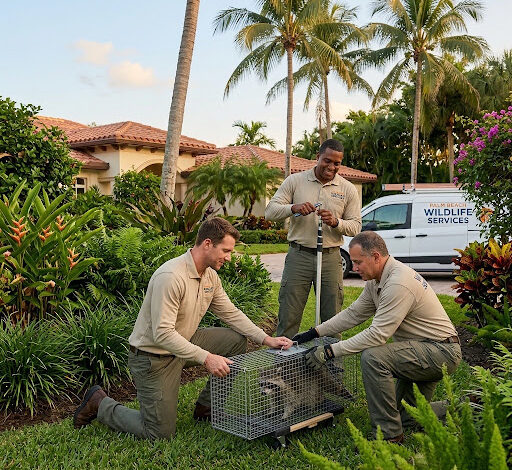
Animal Control helps restore the safety and comfort of your home through a thorough, humane approach to wildlife removal that goes beyond simply catching an animal and calling it a day. At Palm Beach Wildlife Services, every job begins with a detailed inspection to identify entry points, assess the extent of the damage, and determine which species are involved. From there, the team develops a customized removal plan that safely relocates animals while helping prevent future intrusions.
This process typically includes humane trapping and removal, sealing and repairing entry points, sanitizing affected areas to eliminate odors and bacteria, and offering guidance on how to make your property less attractive to wildlife going forward. Because every home and situation is different, this hands-on approach ensures long-term results instead of a temporary fix.
Protecting Your Home for the Long Term
Once wildlife has been safely removed, prevention becomes the next priority. Simple steps like trimming tree branches away from the roofline, securing trash bins with locking lids, sealing gaps around vents and utility lines, and repairing damaged screens can go a long way toward keeping future intruders out.
Routine inspections are also valuable, especially in older homes or properties surrounded by dense vegetation. Catching small vulnerabilities early can save homeowners from dealing with a full-blown infestation down the road.
Reclaim Your Home with Confidence
Living with wildlife in your walls or attic isn’t just inconvenient. It’s a genuine threat to your home’s structural integrity and your family’s health. Fortunately, you don’t have to navigate this alone or risk injury trying to solve it yourself.
Palm Beach Wildlife Services combines local expertise with humane, effective solutions tailored to Florida’s unique wildlife challenges. If you’re ready to reclaim your home from unwanted visitors, reach out today for an inspection and take the first step toward a safer, quieter living space.


