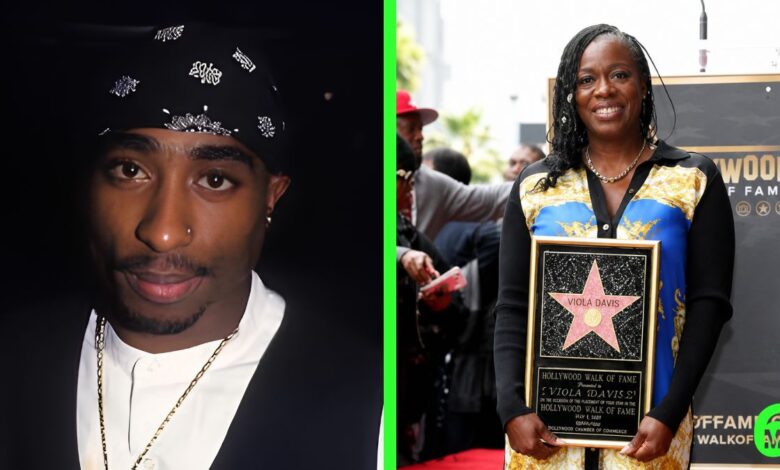
Tupac Shakur remains one of the most influential artists in hip-hop history, remembered not only for his music but also for his poetry, film work, social commentary, and emotional honesty. Behind that public legacy stands Sekyiwa Shakur, often known as “Set” Shakur, his younger half-sister and one of the most important living representatives of the Shakur family story. Unlike Tupac, Sekyiwa has not built her identity around celebrity visibility. Her public work is centered on family legacy, youth support, creative expression, mental health advocacy, and the continued mission of the Tupac Amaru Shakur Foundation, where she serves as President. The aim of this article is to explore Sekyiwa Shakur through verified public facts, not gossip, speculation, or unsupported personal claims. Her story is best understood as one of quiet responsibility: carrying forward a famous name while keeping the focus on healing, service, and purpose.
Quick Bio
| Field | Details |
|---|---|
| Full Name | Sekyiwa Shakur |
| Also Known As | “Set” Shakur |
| Relationship | Younger half-sister of Tupac Shakur |
| Public Profile | Philanthropist, mental health advocate, foundation leader |
| Age | Public reports commonly place her birth in 1975, but her official foundation profile focuses on her work rather than personal biography |
| Residence | She keeps her personal residence private; her public work is connected to the United States |
| Children | Her children are not a central part of high-reliability public profiles, so this article avoids making unsupported family claims |
| Known Philanthropic Interests | Youth support, creative arts, family outreach, mental health and wellness advocacy |
| Social Media Presence | Public-facing presence exists, but her reputation is primarily tied to foundation work rather than influencer-style publicity |
| Current Known Role | President of the Tupac Amaru Shakur Foundation |
Who Is Sekyiwa Shakur?
Sekyiwa Shakur is the younger half-sister of Tupac Shakur and the daughter of Afeni Shakur and Mutulu Shakur. Her public identity is closely connected to the Shakur family’s long history of activism, art, survival, and community service. The official Tupac Amaru Shakur Foundation describes Sekyiwa “Set” Shakur as a philanthropic leader, passionate activist, mental health and wellness advocate, and “Heart Leader” with more than 20 years of experience in family outreach and program coordination.
Her importance does not come from chasing the spotlight. It comes from the work she has done to preserve the human meaning behind Tupac’s legacy. Through the foundation, public appearances, and mental health advocacy, Sekyiwa has helped shape how a new generation understands Tupac not only as a rapper but also as a son, brother, artist, and cultural figure whose message continues to speak to pain, resilience, and social awareness.
The Private Life of Sekyiwa Shakur
Sekyiwa Shakur’s private life is intentionally limited in public records. That privacy should not be treated as a gap to fill with guesses. In celebrity-related writing, especially when the subject is not a performer or public entertainer by profession, privacy itself becomes part of the story. Sekyiwa’s public image shows a person who appears when the family legacy or foundation mission requires her presence, then steps back from unnecessary exposure.
This careful public boundary reflects a larger truth about the Shakur family. Tupac’s fame created enormous public curiosity, but fame also placed his loved ones under emotional and media pressure. Sekyiwa’s decision to keep personal details separate from public work suggests a focus on dignity rather than attention. Her work does not depend on revealing every detail of her home life, relationships, or daily routine. Instead, she has built public trust through service, foundation leadership, and meaningful representation of her brother’s memory.
For readers, this matters. A respectful profile of Sekyiwa Shakur should not treat privacy as secrecy or absence. It should recognize that some public figures contribute through stewardship, advocacy, and family responsibility without turning their personal lives into entertainment.
Early Life and Background of Sekyiwa Shakur
Sekyiwa Shakur was born into a family shaped by activism, social struggle, and cultural history. Her mother, Afeni Shakur, was widely known as a political activist and former member of the Black Panther Party. Afeni later became the guardian of Tupac’s posthumous legacy and founded the foundation that would carry his name and mission forward. Public biographical records state that Afeni married Mutulu Shakur in 1975 and had their daughter, Sekyiwa, during that marriage.
This background helps explain why Sekyiwa’s public work is not framed as ordinary celebrity management. The Shakur name carries a history of art, activism, family hardship, and public grief. Tupac’s life was shaped by his mother’s activism, by poverty, by movement between cities, and by exposure to both creative possibility and social pressure. Sekyiwa grew up in that same family environment, though she did not become a mass-media figure like her brother.
The most responsible way to discuss her early life is to focus on the verified context: her family ties, her mother’s activism, her connection to Tupac, and the later public work she chose to pursue. Anything beyond that should be handled carefully. Her significance is not weakened by the fact that she has not made every personal chapter public. In fact, her restraint makes her public advocacy feel more grounded.
Sekyiwa Shakur’s Relationship with Tupac Shakur
The requested article structure includes “Marriage and Partnership with the Related Public Figure,” but that does not apply here because Sekyiwa Shakur and Tupac Shakur were siblings, not spouses or partners. Their relationship was family-based. Sekyiwa is known as Tupac’s younger half-sister, and her public role today is strongly tied to protecting and continuing his legacy.
Tupac’s death in 1996 created a global wave of grief, but for Sekyiwa, it was first a family loss. That distinction is important. Fans often see Tupac as an icon, but Sekyiwa represents the personal side of the story: the brother, the son, the family member whose memory belongs not only to music history but to those who knew and loved him.
Her emotional public role became especially visible in June 2023, when Tupac received a posthumous star on the Hollywood Walk of Fame. Sekyiwa accepted the honor on behalf of the family and spoke about Tupac’s dreams and lasting impact. Entertainment Weekly reported that she represented the family at the ceremony, while the Walk of Fame confirmed that Tupac received the 2,758th star on June 7, 2023, in the Recording category.
That moment showed the unique nature of Sekyiwa’s public responsibility. She was not there as a celebrity sibling enjoying reflected fame. She stood there as a keeper of memory, carrying a family voice into a public space filled with fans, media, and cultural history.
Sekyiwa Shakur’s Role Behind the Scenes
Sekyiwa Shakur’s most substantial public role is her leadership through the Tupac Amaru Shakur Foundation. The foundation’s official profile describes her experience in family outreach, program coordination, and community-centered service. This is important because legacy work is not only symbolic. It requires organization, communication, emotional intelligence, and a clear sense of mission.
Behind the scenes, foundation leadership often involves far more than public speeches. It can include program direction, community engagement, partnership building, advocacy messaging, and protecting the meaning of a public figure’s name. In Sekyiwa’s case, that responsibility is especially sensitive because Tupac’s legacy is commercially powerful, emotionally charged, and culturally debated. Many people use Tupac’s image, quote his lyrics, and interpret his politics. The family foundation offers a more grounded connection to the values that shaped him.
Sekyiwa’s role shows that influence does not always look like fame. Sometimes it looks like continuity. She has helped keep the Shakur legacy tied to creativity, healing, and youth-centered support, rather than reducing it to nostalgia or celebrity branding.
Family Life and the Next Generation
Sekyiwa Shakur’s family life is not extensively documented by high-reliability public sources, and that boundary deserves respect. What can be discussed responsibly is the larger family-centered nature of her work. Her foundation profile and interviews connect her public mission to family outreach, mental health, and support systems.
The phrase “raising the next generation” should not be limited to biological children or to private household matters. In Sekyiwa’s public work, the next generation includes young people affected by trauma, social pressure, limited opportunity, and the need for creative outlets. This aligns with the broader purpose of the Tupac Amaru Shakur Foundation, which has historically been connected to creative arts and youth development.
This is where Sekyiwa’s role becomes socially meaningful. Tupac’s work often spoke to young people who felt unseen, unheard, or trapped between anger and hope. The foundation’s work extends that emotional language into real-world service. It gives the Shakur legacy a forward-facing purpose: not only remembering what Tupac said, but asking how those values can help young people today.
Philanthropy and Community Engagement
Sekyiwa Shakur’s philanthropic work is closely tied to mental health, wellness, creative arts, and community healing. In a published interview, she discussed the personal nature of mental health advocacy and the foundation’s work around trauma, healing, and support. Another public profile of her foundation work describes the mission as addressing mental health and trauma in the Black community through therapeutic resources, creative arts, and education.
This advocacy is significant because Tupac’s public image is often discussed in terms of conflict, fame, and controversy. Sekyiwa’s work shifts the lens toward care. Mental health advocacy within communities affected by grief, violence, poverty, and systemic pressure is not a soft side issue; it is central to survival and recovery. By connecting Tupac’s legacy to these concerns, Sekyiwa helps move the conversation from remembrance to impact.
Her philanthropy also reflects the influence of Afeni Shakur, who founded the original Shakur Family Foundation after Tupac’s death. Afeni’s decision to create a foundation showed that Tupac’s posthumous legacy would not be limited to record sales or memorial events. Sekyiwa’s work continues that direction by emphasizing programs and conversations that serve people rather than simply celebrate fame.
The Power of Privacy: Influence Without Publicity
Sekyiwa Shakur’s public life demonstrates an important kind of influence: the kind that does not require constant visibility. In today’s media environment, many people assume that public importance must come with frequent interviews, personal branding, and social media exposure. Sekyiwa’s example challenges that assumption.
Her influence is tied to stewardship. She appears at moments that matter, such as Tupac’s Hollywood Walk of Fame ceremony, and she speaks publicly when the message serves the family legacy or foundation mission. She does not appear to rely on public attention for its own sake. This makes her role more credible in a sensitive legacy space.
Privacy also protects the emotional weight of her story. Being Tupac Shakur’s sister means carrying a public association with grief, admiration, legal history, artistic mythology, and global fan attachment. Choosing a quieter path may help preserve personal stability while still allowing meaningful contribution. That balance is part of why Sekyiwa’s public presence feels serious rather than performative.
Public Curiosity and Misconceptions About Sekyiwa Shakur
Public curiosity about Sekyiwa Shakur is natural, given her connection to Tupac Shakur. Fans want to know about Tupac’s family, his upbringing, and the people who remain connected to his memory. The problem begins when curiosity turns into unsupported claims. Online profiles sometimes repeat uncertain details about age, children, net worth, or personal life without clear sourcing. A trustworthy article should not present those claims as fact unless they come from reliable public records or Sekyiwa’s own verified statements.
One common misconception is that a private public figure must have an “untold story” filled with hidden drama. Sekyiwa’s known public story is already meaningful without sensational framing. She is a foundation president, family representative, advocate, and survivor of a family history marked by fame and loss. That is enough.
Another misconception is that Tupac’s legacy belongs mainly to the entertainment industry. Sekyiwa’s work reminds readers that it also belongs to family, community, and the people affected by the values in his music. Her presence helps correct the imbalance between celebrity curiosity and human truth.
Legacy and Future
Sekyiwa Shakur’s future public legacy will likely remain linked to the Tupac Amaru Shakur Foundation and to broader efforts to preserve Tupac’s cultural significance. The foundation gives her a platform to keep the focus on healing, youth, creativity, and community empowerment. This is especially important as Tupac’s audience continues to expand beyond those who were alive during his career.
Tupac’s legacy is now historical, musical, political, and emotional. New generations discover him through streaming platforms, documentaries, social media clips, books, and public honors. Sekyiwa’s role is to help ensure that this discovery does not become shallow. Through family representation and advocacy, she helps keep the story connected to real people, real pain, and real social context.
Her legacy may not be measured by fame, chart success, or celebrity visibility. It is better measured by continuity: keeping a family mission alive after loss, protecting a brother’s memory from distortion, and using a famous name to encourage healing rather than empty attention.
Conclusion
Sekyiwa Shakur occupies a rare and meaningful place in modern cultural history. She is connected to one of hip-hop’s most important figures, but her own public contribution is quieter, steadier, and deeply tied to service. As Tupac Shakur’s younger half-sister and President of the Tupac Amaru Shakur Foundation, she helps preserve a legacy that is larger than music. Her work connects Tupac’s memory to mental health advocacy, youth support, creative expression, and family-centered healing. A responsible profile of Sekyiwa Shakur must respect the limits of public information while recognizing the importance of what is known. She is not simply a relative of a famous artist. She is a guardian of memory, a community advocate, and a public voice for a legacy that still matters.
Read this too:Bailei Knight: The Private Life of Suge Knight and Michel’le’s Daughter
(FAQs)
Who is Sekyiwa Shakur?
Sekyiwa Shakur, also known as “Set” Shakur, is the younger half-sister of Tupac Shakur and the President of the Tupac Amaru Shakur Foundation.
How is Sekyiwa Shakur related to Tupac Shakur?
Sekyiwa Shakur is Tupac Shakur’s younger half-sister, born to their mother, Afeni Shakur.
Who are Sekyiwa Shakur’s parents?
Her mother was Afeni Shakur, and her father was Mutulu Shakur, according to public biographical records.
What does Sekyiwa Shakur do?
She is known for philanthropy, mental health advocacy, family outreach, and her leadership role with the Tupac Amaru Shakur Foundation.
Is Sekyiwa Shakur the President of the Tupac Amaru Shakur Foundation?
Yes. The foundation’s official profile identifies Sekyiwa “Set” Shakur as President of the Tupac Amaru Shakur Foundation.
Did Sekyiwa Shakur attend Tupac’s Hollywood Walk of Fame ceremony?
Yes. She represented the Shakur family when Tupac received his posthumous Hollywood Walk of Fame star on June 7, 2023.
Why is Sekyiwa Shakur important to Tupac’s legacy?
She helps preserve Tupac’s memory through family representation, foundation leadership, youth-centered work, and mental health advocacy.
Is much known about Sekyiwa Shakur’s private life?
No. Sekyiwa Shakur keeps much of her personal life private, and reliable public information focuses mainly on her family connection, foundation leadership, and advocacy work.