TriDeltathon: The Inspiring Knoxville Tradition That Blends Fitness, Charity, and Community Spirit

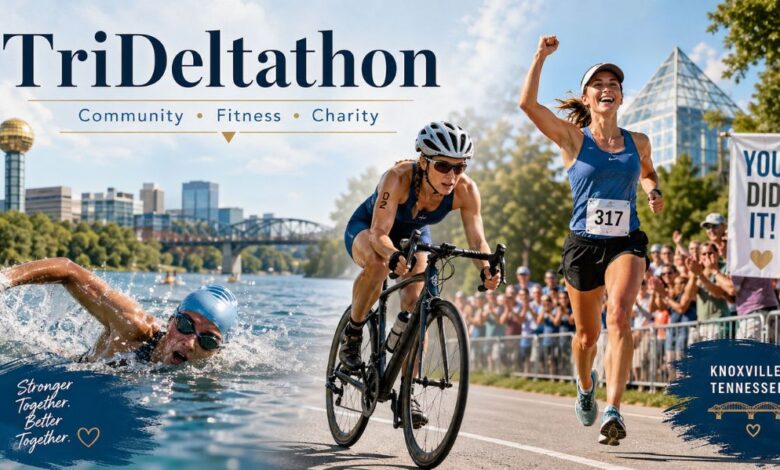
TriDeltathon is more than a race name. For many people in Knoxville, Tennessee, it represents a tradition built around movement, service, campus energy, and local generosity. Connected to the Delta Delta Delta sorority at the University of Tennessee, the event has long carried a community-focused identity, bringing students, athletes, families, volunteers, and supporters together for a meaningful cause. At its heart, TriDeltathon reflects a simple but powerful idea: a sporting event can be more than a competition when it is tied to charity, teamwork, and a strong local purpose. Whether remembered as a sprint triathlon or followed today through its related running format, the name still carries the spirit of endurance, philanthropy, and Knoxville pride.
What Is TriDeltathon?
TriDeltathon is best known as a long-standing community fitness event in Knoxville and at the University of Tennessee. Historically, it has been associated with a sprint-style triathlon format, in which participants completed a combination of swimming, biking, and running. Unlike large commercial race events that mainly focus on elite performance, TriDeltathon has been recognized for its welcoming, local character. It has attracted people who enjoy fitness, as well as those who simply want to support a good cause. This balance between athletic challenge and charitable purpose is what makes the event memorable. It gives participants a reason to train, show up, and finish, while also reminding them that their effort supports something larger than a personal race result.
A Knoxville Event with Strong Community Roots
Knoxville gives TriDeltathon much of its identity. The city has a strong outdoor and active-lifestyle culture, with greenways, campus spaces, and community events that encourage people to get outside and participate. A race affiliated with the University of Tennessee naturally benefits from student energy, local volunteers, and the broader support of families and residents. Events like TriDeltathon become part of the community calendar because they bring together different groups in a shared setting. Students help organize and promote the event, athletes bring discipline and excitement, local families contribute encouragement, and sponsors or donors add another layer of support. That combined effort turns a fitness event into a Knoxville tradition.
The Role of Delta Delta Delta at the University of Tennessee
A core element of TriDeltathon is its connection with Delta Delta Delta, or Tri Delta, at the University of Tennessee. Sorority-driven philanthropy is most impactful when it includes community involvement beyond fundraising. TriDeltathon exemplifies this. Rather than relying solely on donations, it encourages people to gather, move, volunteer, and connect with its mission. Student leadership shapes the event’s atmosphere. Organizing the race involves planning, communication, safety management, promotion, and coordination with participants and partners. These activities provide students with real leadership experience and deliver a well-supported event with a clear charitable goal to the community.
Why TriDeltathon Matters Beyond the Race
TriDeltathon’s value goes beyond the race. It connects physical effort with compassion. Many race to improve health or enjoy a fitness experience, but supporting children and families facing medical challenges adds depth. Participants contribute to a cause, gaining confidence, motivation, and reasons to volunteer year after year. Community-based charity races leave a lasting impression.
A Fitness Event for Different Types of Participants
One reason TriDeltathon has remained appealing is that it has never been only for professional or elite athletes. Sprint triathlon-style events are often more accessible than longer endurance races because they offer a challenge without requiring the extreme training commitment of a long-distance triathlon. For students, it can be a first step into multisport racing. For local athletes, it can be a fun seasonal event. For families and supporters, it can be a meaningful way to participate in a cause even if they are not chasing competitive results. This inclusive quality helps build a stronger event culture. People remember how an event makes them feel, and a welcoming race with a charitable mission often creates loyal supporters.
The Historic Sprint Triathlon Identity
TriDeltathon’s historic identity is closely tied to the sprint triathlon format. A sprint triathlon usually includes shorter swim, bike, and run distances than Olympic or long-distance triathlons. That format works well for community participation because it offers a real athletic test while remaining approachable for beginners. In earlier TriDeltathon descriptions, the race was presented as a campus-centered event that combined multiple athletic stages and invited broad participation. That mix helped it stand out from ordinary 5Ks or road races. The triathlon structure also gave the event a memorable name and personality. “TriDeltathon” cleverly connects Tri Delta with triathlon, making the branding both meaningful and easy to remember.
Charity at the Heart of the Event
TriDeltathon’s primary strength is its charitable objective. Event proceeds support East Tennessee Children’s Hospital and Camp Eagles Nest, serving children with cancer and rare blood disorders. This mission gives the event a genuine and compassionate purpose. Charity events resonate when their cause is tangible and local. The link to children’s health makes participation and donations emotionally significant. The event transcends a recreational activity when registrants know their contributions help families in East Tennessee, fostering widespread respect.
Student Leadership and Philanthropy in Action
TriDeltathon shows how student groups contribute beyond campus. Sorority-hosted events bridge student culture and public service. The planning teaches responsibility, teamwork, and outreach, building practical skills and a deeper understanding of service. Philanthropy becomes an active project that people can see and join.
How TriDeltathon Builds Community Spirit
A strong community event creates a feeling that lasts beyond the day itself. TriDeltathon does this by bringing together people who may not otherwise share the same space. University students, local runners, cyclists, swimmers, parents, sponsors, volunteers, and charity supporters all become part of the same effort. Some people arrive to compete. Some come to cheer. Some volunteers care about the cause. Others participate because they have a personal connection to children’s health or local medical support. These different motivations come together in one event, creating the kind of community spirit that cannot be manufactured through marketing alone. It is built through repeated participation and genuine purpose.
TriDeltathon and the Evolution of Local Race Events
Like many long-running community events, TriDeltathon has also shown signs of evolution over time. Public race information indicates that, in recent years, the traditional triathlon identity has been associated with a running-focused format known as TriDeltaRUN. This kind of change is not unusual. Community races often adjust based on logistics, safety needs, participation trends, campus planning, and available event resources. What matters most is that the core mission remains recognizable. Even when the format changes, the values can continue: fitness, student leadership, local participation, and charitable support. For readers searching for TriDeltathon today, it is helpful to understand both its historic triathlon roots and its modern event connection.
Why the Name Still Has Strong Recognition
The name TriDeltathon is memorable because it carries multiple meanings. It points to Tri Delta, the sorority connected with the event. It suggests triathlon, the athletic format that shaped its original identity. It also sounds like a major community challenge, something people prepare for and remember. Good event names are not only labels; they hold stories. TriDeltathon’s name reflects campus tradition, endurance, charity, and local history. That is why the term still works as a strong focus keyword for an informative article. People searching for it are likely interested in the event’s meaning, background, purpose, and connection to Knoxville.
The Human Side of Participating
For many participants, the appeal of TriDeltathon is personal. A race can become a goal during a busy season of school, work, or family life. Training for a swim, bike, and run—or joining a related community run—creates structure and motivation. On race day, participants experience nerves, excitement, and a sense of shared purpose. The finish line is not only about speed; it is about completion. For beginners, that can be a confidence-building moment. For returning participants, it can become an annual tradition. For supporters of the charity, it can feel like a visible act of care. That human experience is what gives community events their staying power.
What Makes TriDeltathon Informative for Readers Today
Readers looking up TriDeltathon may want a simple definition, but the topic deserves more than a short explanation. It is a local event with history, philanthropy, and cultural meaning. It reflects how college organizations can support serious causes through public participation. It also shows how fitness events can adapt over time while maintaining their mission. For anyone interested in Knoxville events, student philanthropy, charity races, or community fitness, TriDeltathon offers a useful example. It is not just about athletic performance. It is about how a campus-led event can become part of a city’s broader culture of giving.
Conclusion
TriDeltathon stands as a meaningful example of how fitness, philanthropy, and community identity can come together in one event. Rooted in Knoxville and connected to Delta Delta Delta at the University of Tennessee, it has earned a reputation for student leadership, local involvement, and charitable support. Its historic sprint triathlon identity gave it a distinctive place among community races, while its continued connection to charitable running events shows how traditions can evolve without losing their purpose. At its best, TriDeltathon is not simply a race. It is a reminder that movement can support healing, student energy can serve the wider community, and local traditions can make a real difference when people show up for a shared cause.