Everyone already knows about Chiang Mai. Lisbon prices have tripled. Bali? Overrun. But here’s what most people miss — the next wave of nomad-friendly cities isn’t hiding in plain sight. It’s hiding in plain obscurity.
These are places with fast fiber internet, low rents, walkable streets, and almost zero other laptop workers competing for café seats. Let’s talk about them.
Staying Safe Online: VPNs and Why They Actually Matter in 2026
Here’s something nomads don’t talk about enough: cybersecurity on the road is genuinely dangerous. Public Wi-Fi in cafés, hotels, and co-working spaces in lesser-known cities is often unencrypted — and that’s where data gets stolen. A reliable VPN encrypts your traffic, masks your IP, and lets you access content from your home country when foreign platforms block you based on location.
One well-regarded option is VeePN. Its VPN apps for Windows and smartphones cover everything from streaming access to secure banking sessions abroad. So is a VPN worth it? If you’re handling client payments, logging into work tools, or just checking your bank from a café in Kutaisi or Pereira — yes, 100%. VPN uses extend far beyond just hiding your browsing: they protect credentials, bypass geo-restrictions, and let you work as if you never left home.
Artificial intelligence is also starting to play a growing role in protecting remote workers. An AI detector can monitor network behavior in real time, identifying unusual login patterns, suspicious data transfers, or potential man-in-the-middle attacks that often occur on public Wi-Fi. Unlike traditional security tools, AI-driven systems adapt to new threats as they emerge, giving digital nomads an additional layer of protection when working from unpredictable environments.
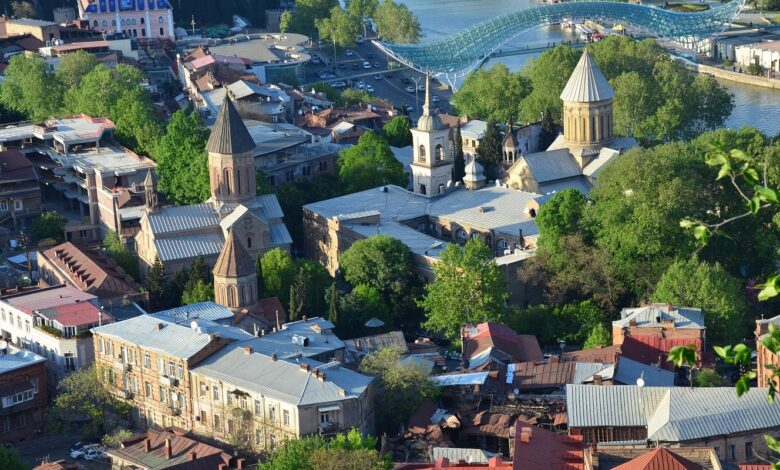
Tbilisi, Georgia — The Caucasian Wildcard
Georgia (the country, not the state) quietly became one of the most nomad-friendly places on Earth. You can stay visa-free for an entire year. Average rent for a furnished one-bedroom in the city center? Around $400–$600 per month.
Tbilisi has a booming café culture, reliable 4G everywhere, and a startup scene that showed up almost overnight. The food is extraordinary. The wine is older than most European nations.
Medellín’s Smaller Cousin: Pereira, Colombia
Medellín gets all the press. Pereira — just two hours away — gets none of it, and that’s exactly the point. Cost of living runs about 40% lower than Bogotá, and the city sits in Colombia’s coffee-growing heartland.
Coworking spaces are cheap and well-equipped. The weather stays around 22°C year-round. Fewer tourists means locals actually interact with you — which, depending on who you ask, is either the point or the perk.
Plovdiv, Bulgaria — Europe on a Budget
Bulgaria joined the EU but kept its prices pre-EU. Plovdiv, the country’s second city, has a UNESCO Old Town, a growing arts scene, and average apartment rents starting at around €350. That’s not a typo.
Internet speeds average above 100 Mbps in most neighborhoods. Sofia gets more attention, but Plovdiv has the charm. Think cobblestone streets, rooftop bars, and no line at the coworking space.
Iași, Romania — The Student City Nobody Exports
Romania’s fourth-largest city has one of the best internet infrastructures in all of Europe — and Europe already leads the world. Average download speeds in Romania exceed 230 Mbps nationally, placing it in the global top five.
Iași itself is a university town: young, cheap, English-friendly. Monthly rent for a modern flat? Under €400. Coffee? Under €1.50. There’s a reason remote workers who find it rarely leave quickly.
Kotor, Montenegro — Small Country, Big Upside
Montenegro is tiny. Kotor is tinier. But it punches way above its weight for quality of life — medieval walls, Adriatic views, and a growing community of remote workers who found it by accident and stayed.
Cost of living sits around $1,200–$1,500 per month total, including rent. The country uses the euro despite not being in the EU. The hiking is world-class. The crowds? Seasonal and manageable, especially outside summer.
Chiang Rai, Thailand — Not Chiang Mai
Chiang Mai is famous. Chiang Rai, 200 km north, is not — and that gap is a gift. Rents are lower, streets are quieter, and the creative scene is genuinely emerging rather than already commercialized.
Nomad-focused co-working spaces have been opening since 2023. Monthly costs average $700–$900 all-in. Thailand’s digital nomad visa, launched in recent years, makes it legally straightforward to base yourself here long-term.
Novi Sad, Serbia — The Riverside Dark Horse
Serbia often surprises people. Novi Sad surprises them more. It’s a mid-sized city on the Danube — clean, organized, loaded with tech talent and university energy.
Monthly living costs hover around €700–€900. Visa-free access for most Western passport holders runs 90 days, renewable with short border hops. The city hosted the EXIT music festival for decades, which means the nightlife is well above average for a city this size.
How to Pick the Right City for You
Not every city on this list suits every nomad. Time zones matter if you’re working with US clients. Language barriers matter if you plan to stay more than three months. Infrastructure matters if your work involves video calls all day.
Make a short list based on: internet speed, cost, visa rules, time zone fit, and personal vibe. Then book one month, not one week — first impressions of a city usually reverse themselves after day ten.
Final Thought: The Best Nomad City Is the One Nobody’s Written About Yet
The cities above will be busier in two years. That’s how it works — someone writes about them, the flights get booked, the rents creep up. The real move is to find a place before the article exists.
Talk to nomads in forums, not just blogs. Ask in local Facebook groups. Check internet speed databases before you book. And wherever you land — yes, use a VPN. The Wi-Fi at that beautiful wooden-table café in Plovdiv or Pereira doesn’t know your bank password. It doesn’t need to.