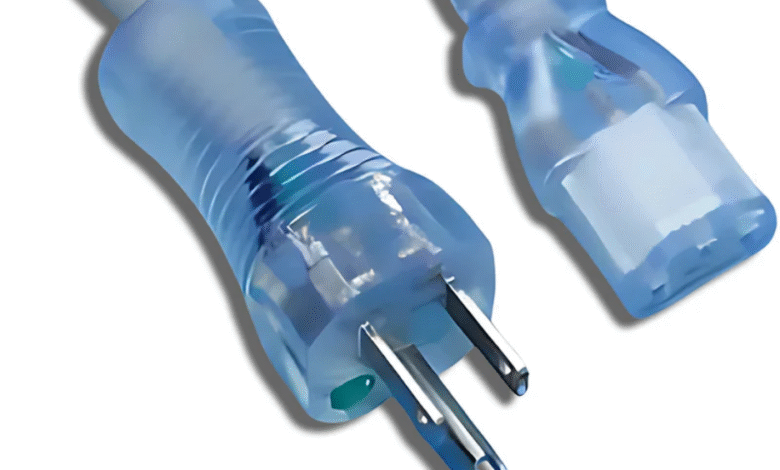
Until things go wrong, power cords can be a pain in the back. A device can go bad, a plug may not fit the outlet, or equipment can go bad due to an incompatible cord. Many cords are similar in appearance, which makes it easy to get the right one confused.
Meanwhile, various industries, devices, and environments need particular cable designs for safety and performance purposes. Thus, it is more important to know the working of each power cord than people think. The right cord ensures efficient operation, a stable power supply, and potential reduction of equipment problems.
Furthermore, when it comes to choosing the best cord for a home or business, it’s easier to make the choice if you understand the function of each type of cord.
The article details six common types of power cords and how to power safely with each today.
1. IEC C13 Power Cords – Used For Computers And Office Equipment
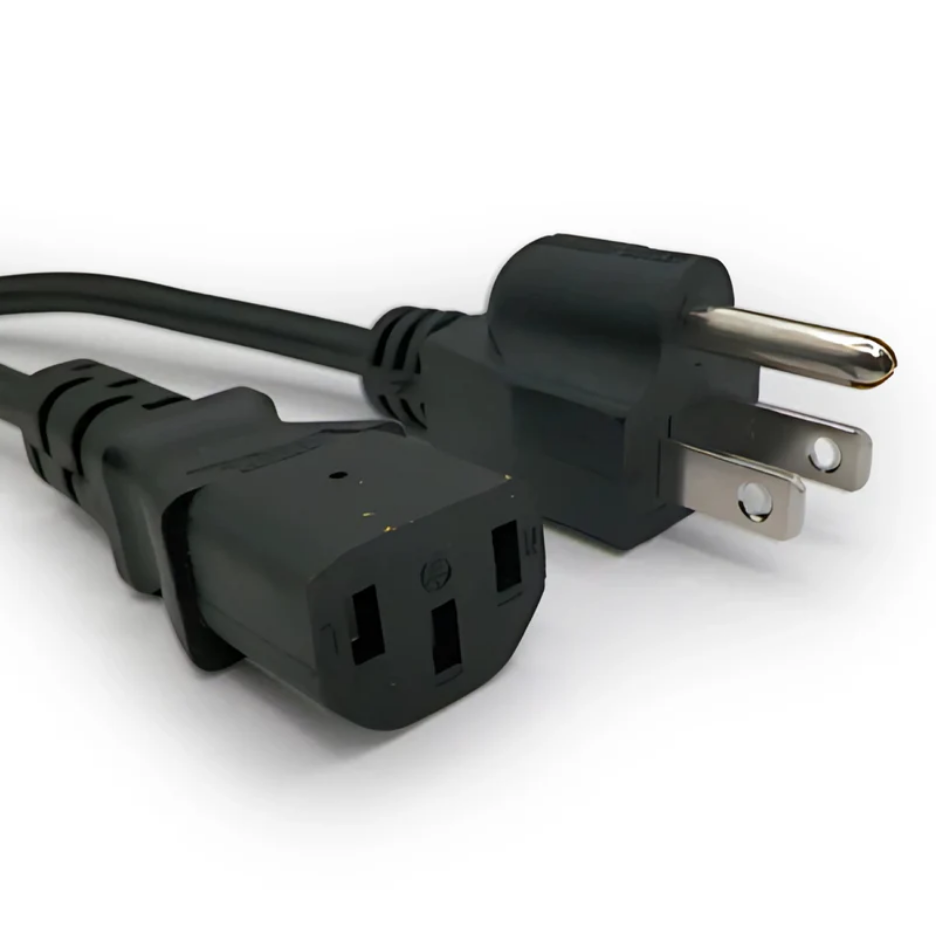
IEC C13 power cords are among the most popular power cord types that are mostly found in desktop computers, monitors, printers, scanners, and networking devices. These are the same cords used in office electronics, as they are compatible with standard C14 inlets found in commercial electronics.
Furthermore, in server rooms, IT facilities, and other environments where reliable power handling is crucial, these cords have become a common sight.
The easy simplicity also aids the replacement of equipment in the event of a change. Moreover, IEC C13 cords come in various lengths and insulation ratings that support home offices as well as large-scale businesses in an efficient manner.
2. Hospital Grade Power Cords – Used For Medical Devices
Hospital-grade power cords are designed for use in healthcare settings where electricity is a critical component. These cords are typically connected to patient monitors, infusion pumps, imaging machines, and mobile medical carts.
Hospital-grade cords are stronger than regular cords with connectors and plug retention to limit the risk of unplugging unexpectedly occurring. As a result, they are intended to help provide stable operation in high-activity medical environments.
Additionally, many of these cords are produced with sturdy jackets that are resistant to repeated motion and regular cleaning procedures. These cords are designed to provide a long lifespan and safety in healthcare equipment, which typically requires constant operation.
3. Heavy Duty Power Cords – Used For Industrial Equipment
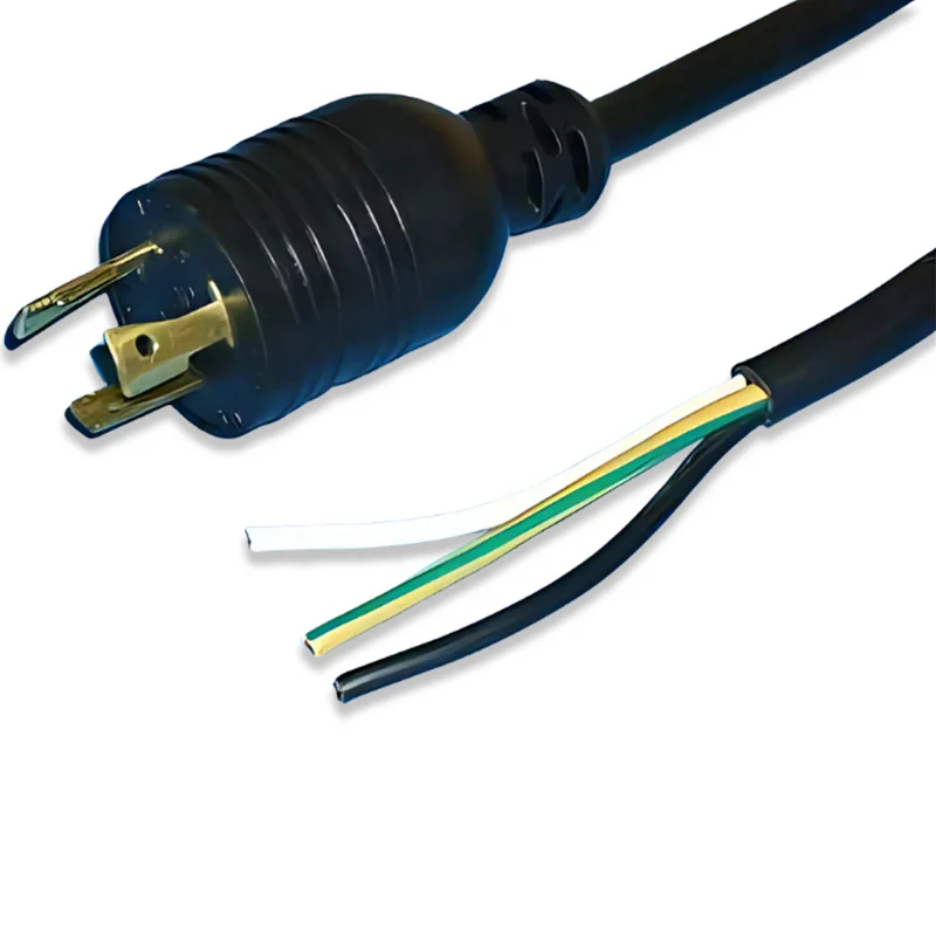
Heavy-duty power cords are used when conditions are demanding and require a lot of power, and normal cords would not last long. These cords are commonly employed with industrial machines, power tools, air compressors, generators, and workshop machinery.
Heavy-duty cords have thicker insulation and stronger outer jackets because industrial uses are typically subject to heat, moisture, oil, or rough handling.
Consequently, they can better endure the rigors of the job site. Furthermore, many heavy-duty cords are rated for higher amperage than other cords, which is essential for large equipment that needs reliable electricity performance over long periods of time.
4. Twist Lock Power Cords – Used For Equipment Requiring Secure Connections
Twist lock power cords are primarily employed in situations where plugs might fall out or unplug. These plugs do not pull straight in, but instead twist into place and snap into the outlet.
Due to this locking function, they are widely used with generators, construction machinery, industrial machinery, temporary power supply, and data center equipment.
Also, twist lock cords are useful in areas that experience vibration or movement frequently. This connection provides for a safe link and avoids the risk of sudden power outages, and is particularly vital for sensitive equipment and critical processes.
5. International Power Cords – Used For Global Electronics Compatibility
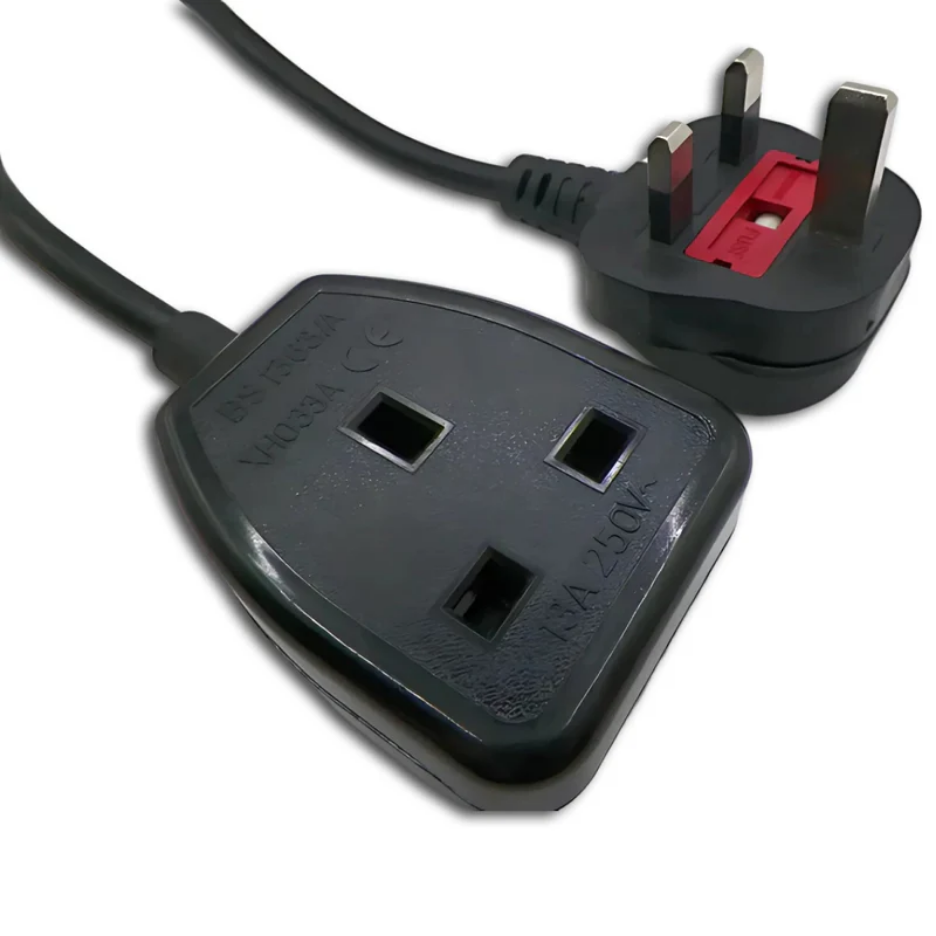
International power cords are used for electronics that operate across different countries and electrical systems. Since outlet styles vary worldwide, these cords are designed with country specific plug configurations for safe compatibility.
These cords are commonly used with laptops, monitors, medical devices, commercial electronics, and imported equipment.
Furthermore, businesses that ship products internationally often rely on region-specific power cords to ensure proper operation in global markets. Using the correct international cord also improves grounding compatibility and helps reduce electrical safety concerns when equipment is used abroad.
6. Piggyback Power Cords – Used For Expanding Outlet Access
Piggyback power cords are designed with an additional outlet built directly into the plug. This allows users to connect another low power device without immediately needing a separate power strip.
These cords are often used in offices, entertainment setups, retail environments, and compact workstations where outlet space is limited.
In addition, piggyback cords help organize cable layouts more efficiently while reducing clutter around work areas. However, they are generally intended for controlled indoor applications and should always be used within recommended electrical load limits for safe operation.
Final Thoughts
In the end, understanding different power cord types helps you choose safer and more efficient solutions for your equipment. Although many cords may appear similar, each one is designed for a specific application and environment. IEC C13 cords support office electronics, while hospital grade cords provide dependable performance for medical devices.
Similarly, heavy duty cords handle industrial conditions, and twist lock cords deliver secure connections where stability matters most. International cords improve compatibility across global markets, whereas piggyback cords add flexibility in limited spaces.
Therefore, selecting the right cord supports better safety, durability, and long term performance. When you understand what each cord is actually used for, you can make smarter decisions and keep your equipment running smoothly every day.