Introduction
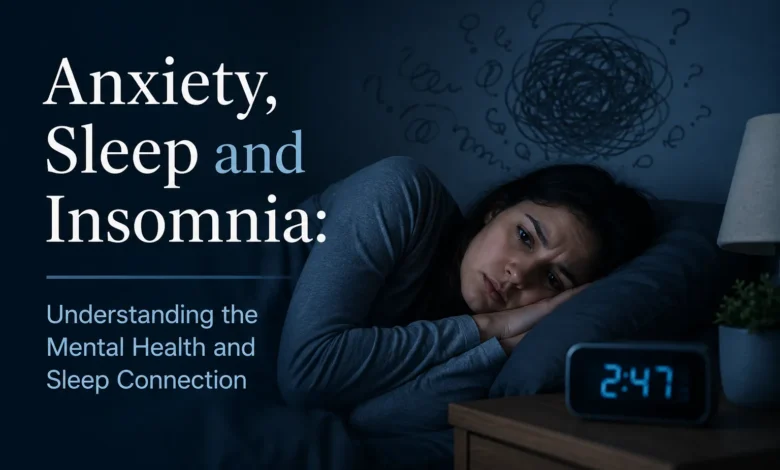
Anxiety, poor sleep, and insomnia are strongly connected. Many people struggling with stress or anxiety disorders also experience difficulty sleeping, racing thoughts, panic attacks at night, and emotional exhaustion.
In the UK, searches related to anxiety and sleep problems continue increasing as more people experience stress-related insomnia, mental fatigue, and disrupted sleep patterns.
Poor sleep may worsen anxiety symptoms, while anxiety itself may make it harder to relax and fall asleep. This creates a cycle that can affect mood, mental health, focus, energy levels, and daily life.
This guide explains how anxiety affects sleep, common insomnia symptoms, causes, doctor recommendations, treatment options, and healthy sleep support strategies.
Answer
Anxiety can directly affect sleep quality and may lead to insomnia. Stress, racing thoughts, emotional overwhelm, panic attacks, and hypervigilance can make it difficult to fall asleep or stay asleep.
Treatment often includes improving sleep habits, reducing stress, therapy support, anxiety management, and healthy lifestyle routines.
What Is Anxiety-Related Insomnia?
Anxiety-related insomnia happens when stress or anxious thoughts interfere with normal sleep patterns.
People may struggle with:
· Falling asleep
· Staying asleep
· Waking frequently during the night
· Feeling mentally alert at bedtime
· Panic attacks before sleep
· Racing thoughts
· Early morning waking
Mental health professionals often describe anxiety insomnia as a combination of emotional stress and nervous system overactivity.
How Anxiety Affects Sleep
Anxiety activates the body’s stress response system.
When the brain remains in “alert mode,” the body may release stress hormones such as cortisol and adrenaline, making relaxation difficult.
This may cause:
· Increased heart rate
· Muscle tension
· Racing thoughts
· Fear or worry before bed
· Restlessness
· Difficulty relaxing
Over time, chronic stress may affect sleep quality and emotional health.
Common Symptoms of Anxiety and Sleep Problems
Emotional Symptoms
· Excessive worry
· Fear or nervousness
· Irritability
· Emotional overwhelm
· Feeling mentally exhausted
Sleep Symptoms
· Insomnia
· Night waking
· Difficulty falling asleep
· Nightmares
· Poor sleep quality
· Fatigue during the day
Physical Symptoms
· Rapid heartbeat
· Chest tightness
· Sweating
· Muscle tension
· Headaches
· Digestive discomfort
Panic Attacks at Night
Some people with anxiety may experience nighttime panic attacks.
Symptoms may include:
· Sudden fear during sleep
· Shortness of breath
· Rapid heartbeat
· Sweating
· Dizziness
· Chest discomfort
· Fear of losing control
Night panic attacks can disrupt sleep and increase insomnia symptoms.
Causes of Anxiety Sleep Problems
Chronic Stress
Work pressure, emotional stress, financial problems, or trauma may increase anxiety levels.
Mental Health Conditions
Conditions linked with sleep anxiety include:
· Generalized anxiety disorder
· Panic disorder
· PTSD
· CPTSD
· Depression
· Trauma-related stress
Poor Sleep Habits
Irregular routines may worsen insomnia.
Examples include:
· Excessive screen time
· Late caffeine intake
· Poor bedtime schedule
· Overstimulation before sleep
Emotional Trauma
Trauma and emotional stress can affect nervous system regulation and sleep quality.
Anxiety, Depression and Sleep
Anxiety and depression often overlap with insomnia.
People with depression may experience:
· Oversleeping
· Emotional fatigue
· Poor sleep quality
· Lack of energy
· Mood instability
Mental health professionals often recommend treating both emotional symptoms and sleep quality together.
Doctor Advice and Mental Health Recommendations
Doctors recommend seeking professional support if sleep problems:
· Continue for several weeks
· Affect daily life
· Cause panic attacks
· Impact mental health
· Lead to emotional exhaustion
· Cause severe fatigue or stress
Mental health professionals may recommend:
· Therapy
· Stress management
· Sleep hygiene support
· Relaxation techniques
· Anxiety management strategies
· Lifestyle improvements
Treatment Options for Anxiety and Insomnia
Therapy and Counselling
Therapy is commonly recommended for anxiety-related insomnia.
Approaches may include:
· Cognitive behavioural therapy (CBT)
· Stress management
· Relaxation therapy
· Mindfulness techniques
· Trauma support therapy
Lifestyle Improvements
Doctors often recommend:
· Consistent sleep schedule
· Daily exercise
· Reducing caffeine
· Healthy nutrition
· Limiting alcohol use
· Better bedtime routines
Sleep Support Strategies
Helpful habits may include:
· Deep breathing exercises
· Meditation
· Reducing phone use before bed
· Creating a dark sleep environment
· Listening to calming audio
Sleep Supplements and Anxiety Support
Some individuals explore natural sleep support options such as:
· Magnesium
· Vitamin D
· Melatonin support
· Herbal sleep products
People considering supplements or medication should speak with a healthcare professional first.
Anxiety, Sleep Disorders and Long-Term Health
Long-term insomnia may affect:
· Mental focus
· Mood stability
· Immune health
· Emotional regulation
· Energy levels
· Daily performance
Improving sleep quality may support overall mental and physical health.
Medication and Professional Support
Some individuals with severe insomnia or anxiety symptoms may receive treatment plans involving medication under professional supervision.
Doctors may evaluate:
· Anxiety severity
· Sleep quality
· Panic attacks
· Emotional health
· Mental health history
Medication should only be used under medical guidance.
FAQ
Can anxiety cause insomnia?
Yes. Anxiety can make it difficult to relax, fall asleep, or stay asleep.
Why do panic attacks happen at night?
Nighttime panic attacks may happen due to stress, anxiety disorders, emotional overload, or nervous system activation.
Can poor sleep worsen anxiety?
Yes. Sleep deprivation may increase stress, emotional instability, and anxiety symptoms.
What helps anxiety-related insomnia?
Therapy, stress reduction, healthy sleep habits, relaxation techniques, and professional support may help improve symptoms.
Can sleep supplements help insomnia?
Some people use supplements like magnesium or vitamin D for sleep support, but medical guidance is recommended.
When should I seek help for insomnia?
If sleep problems continue for weeks or affect daily life, professional support is recommended.
Conclusion
Anxiety, insomnia, and poor sleep are deeply connected. Emotional stress, panic attacks, racing thoughts, and mental overload may affect the body’s ability to rest properly.
Understanding the relationship between anxiety and sleep is important for improving emotional health and daily well-being.
With healthy routines, stress management, therapy support, and professional guidance, many people can improve sleep quality and reduce anxiety symptoms over time.
Looking for more mental health and sleep support guides?
Explore:
· Panic Attacks at Night
· PTSD vs CPTSD
· Dissociation Guide
· Sleep Supplements
· Vitamin D and Sleep
· Insomnia Treatment UK
For educational resources related to sleep health, anxiety awareness, insomnia information, and mental health support, visit:
BuySleepingPillsUK.online