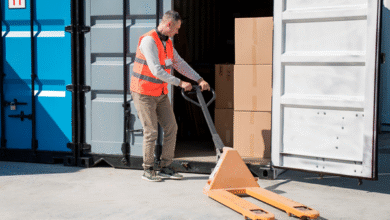
A decade ago, lone working was largely confined to a handful of industries: security, utilities, field engineering. Today it stretches across almost every sector, from healthcare and social care to retail, logistics, real estate, and professional services. Estimates suggest tens of millions of people across North America and Europe now work alone on a regular basis, and that number has been climbing steadily. So what’s actually driving the shift?
Staffing Shortages Are Pushing More Roles Into Isolation
One of the clearest drivers is workforce pressure. Many industries, healthcare in particular, have struggled with sustained staffing shortages over recent years. When teams are stretched thin, tasks that were once shared or supervised end up falling to a single person by default, not by design. A home care visit that might once have involved two staff members now often involves one. A night shift that used to have two people covering the floor might now have one covering both jobs.
This isn’t a temporary blip. Healthcare in particular is undergoing a structural shift from facility-based care toward home-based care, which by its nature multiplies the number of lone community and home visit workers rather than reducing it.
Flexible and Remote Work Has Changed the Shape of “Alone”
The rise of remote and flexible work has redefined what lone working even looks like. It’s no longer just about physical isolation in a warehouse or on a rural site. A field sales rep working from their car, a consultant meeting a client alone at an unfamiliar address, or an engineer troubleshooting a fault at a customer’s premises are all lone workers in the eyes of health and safety law, even though the nature of their isolation looks nothing like the traditional image of a night watchman.
As organisations lean further into distributed and hybrid working models to attract and retain talent, more roles naturally drift into this category, simply because fewer people are working shoulder to shoulder in a shared, supervised space.
Leaner Operating Models
Automation and cost pressure have also played a part. Many businesses have moved toward leaner staffing models, particularly in industrial, retail, and logistics settings, where a role that once required two people now requires one, supported by technology instead. This isn’t necessarily a negative development on its own, but it does mean more employees are carrying out tasks without a colleague present, which shifts more of the safety burden onto monitoring systems and procedures rather than simply having someone else in the room.
Greater Regulatory and Reputational Awareness
Somewhat counterintuitively, rising awareness of lone worker risk has also made the category more visible, even if the underlying numbers were already growing. Regulators and insurers increasingly expect documented lone worker policies, and the reputational and financial cost of getting it wrong, both in terms of potential injury and the resulting liability, has pushed more employers to formally classify and track roles that were previously handled informally.
This means that some of the apparent growth in lone working reflects better recognition and reporting of roles that always existed, alongside genuine growth in newly isolated positions.
Technology Has Made Lone Working More Viable
It’s worth acknowledging the other side of this trend too. Improvements in monitoring technology, GPS tracking, automated check-ins, wearable panic alerts, have made it more practical for organisations to allow certain tasks to be done alone that might previously have required a second person purely for safety reasons. In effect, better safety tools haven’t just responded to the rise in lone working, they’ve actively enabled more of it, because employers can now offer a reasonable level of protection without doubling up on staff for every task.
What This Means for Employers
Whatever the specific mix of causes, the practical implication for employers is the same: lone working needs to be treated as a mainstream operational reality rather than an edge case. That means having a clear, up-to-date policy that defines who counts as a lone worker within the organisation, a proper risk assessment process, and a reliable way to know when someone needs help and isn’t getting it.
Providers like OK Alone exist precisely because this shift has outpaced a lot of organisations’ internal processes. Automated check-ins and monitoring systems fill the gap that used to be covered informally by having someone else around, giving lone workers a way to raise an alarm and giving employers a defensible, documented safety net.
Looking Ahead
The forces behind this shift, staffing pressures, flexible working, leaner operating models, and better monitoring technology, show no sign of reversing. If anything, they’re likely to accelerate as more industries adopt remote and distributed working patterns. For employers, the sensible response isn’t to try to eliminate lone working altogether, since for many roles that simply isn’t practical. It’s to make sure the right assessments, policies, and safety systems are in place for the lone workers they already have, and to keep reviewing them as the shape of the workforce continues to change.