Water can be a silent destroyer in your home, with moisture problems often developing unnoticed behind walls or under floors. By the time a leak is obvious, the damage is typically extensive and expensive to fix. Catching these issues early is key to protecting your property from structural rot, poor air quality, and health hazards.
The Subtle Signs: What to Look For
Moisture rarely stays completely hidden. Your house will usually give you a few clues that something is wrong. Watch out for these seven indicators.
Musty Odors
A persistent, earthy smell is often the first sign of a hidden water issue. If a room smells like old, wet socks even after a deep clean, you are likely dealing with hidden mildew or mold.
Visible Mold and Mildew
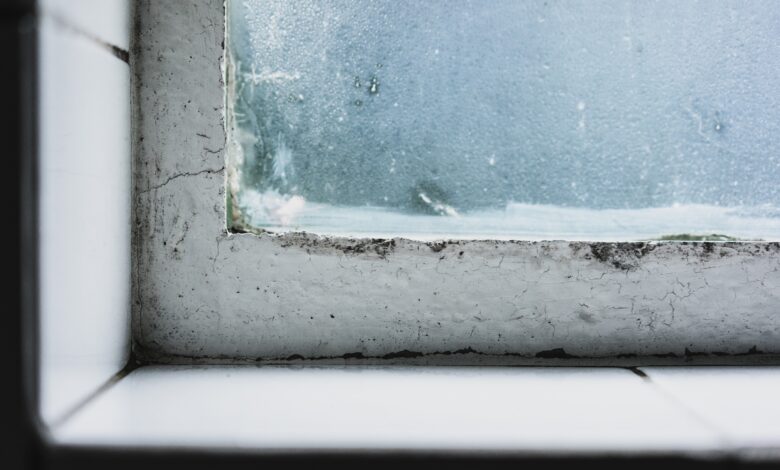
Mold thrives in damp, dark environments. Check the corners of your bathrooms, the walls of your basement, and the rafters in your attic. Even small, pepper-like spots on the drywall indicate a persistent moisture source nearby.
Water Stains and Discoloration
Yellow or brown rings on your ceilings, walls, or floors are clear evidence of water pooling. These stains often grow slowly over time, signaling a slow drip from a pipe or roof leak.
Peeling Paint or Wallpaper
When moisture gets trapped behind walls, it breaks the bond between the drywall and the paint or wallpaper. If your walls are bubbling, cracking, or peeling, water is likely the culprit.
Warping Wood
Wood absorbs moisture like a sponge. If your hardwood floors are cupping, or if your wooden doors and window frames suddenly start sticking, the humidity levels in those materials are too high.
Increased Allergy Symptoms
Unexplained respiratory issues can be tied directly to your home’s environment. If your family is experiencing constant sneezing, coughing, or asthma flare-ups indoors, hidden mold spores might be circulating in your air.
High Humidity Levels
If you constantly notice condensation building up on the inside of your windows or sweating on exposed pipes, your indoor humidity is too high. This excess water vapor will eventually settle into your walls and floors.
Common Hidden Moisture Sources
Once you spot the signs, you have to find the source. Here are the most frequent offenders:
- Leaky Pipes and Plumbing Issues: Slow drips under sinks or behind shower walls can release gallons of water over a few months.
- Roof Leaks and Attic Problems: Missing shingles or damaged flashing allow rainwater to seep directly into your attic insulation.
- Foundation Cracks and Basement Seepage: Groundwater can easily press through tiny cracks in your concrete foundation, flooding your basement during heavy rain.
- Poor Ventilation: Bathrooms and kitchens generate massive amounts of steam. Without proper exhaust fans, that moisture settles directly onto your walls.
- HVAC System Issues: Air conditioners produce condensation. If the drain lines get clogged, that water spills out into your ceiling or floor.
- Appliance Leaks: Dishwashers, washing machines, and refrigerators all have supply lines that can crack and leak out of sight.
The Dangers of Unaddressed Moisture
Ignoring a small water issue will eventually lead to major consequences.
- Structural Damage: Constant water exposure rots wooden support beams and rusts metal fasteners, weakening your home’s physical integrity.
- Health Risks: Mold and mildew trigger allergies, asthma, and severe respiratory infections.
- Pest Infestations: Termites, cockroaches, and rodents are drawn to damp environments.
- Reduced Indoor Air Quality: Musty odors and airborne spores make the air in your home unpleasant and unsafe to breathe.
- Decreased Property Value: A documented history of water damage and mold will scare away potential buyers and lower your asking price.
How to Investigate and Confirm Moisture Problems
You do not need to be an expert to start investigating. Grab a strong flashlight and check under sinks, around toilets, and behind large appliances. You can also purchase a relatively inexpensive digital moisture meter from a hardware store to test damp spots on your drywall or floorboards.
However, if you smell severe mold, see large structural cracks, or cannot locate the source of a spreading water stain, it is time to call a professional. Experts in services like mold testing in Salt Lake City have access to thermal imaging cameras and heavy-duty sensors that can pinpoint leaks deep behind your walls without tearing down the drywall.
Preventing Future Moisture Issues
The best defense against water damage is a proactive offense. Keep your home dry by following a few routine habits:
- Regular Maintenance Checks: Inspect your roof, plumbing, and appliances at least twice a year.
- Improving Ventilation: Always run exhaust fans when cooking or showering, and leave them on for at least twenty minutes afterward.
- Sealing Cracks and Gaps: Use weatherstripping around windows and doors, and apply waterproof sealant to any visible cracks in your foundation.
- Proper Gutter and Drainage Management: Keep your gutters clean and ensure your downspouts push rainwater at least five feet away from your foundation.
- Using Dehumidifiers in Prone Areas: Place a high-capacity dehumidifier in your basement or crawlspace to keep the air comfortably dry.
Conclusion
Hidden moisture leaves plenty of clues. Paying attention to musty smells, water stains, and peeling paint helps you catch minor leaks before they cause serious damage. Protect your home by investigating damp areas immediately and performing routine maintenance.