Hospitality Furniture: The Overlooked Upkeep Requirements of Outdoor Seating in Coastal Climates

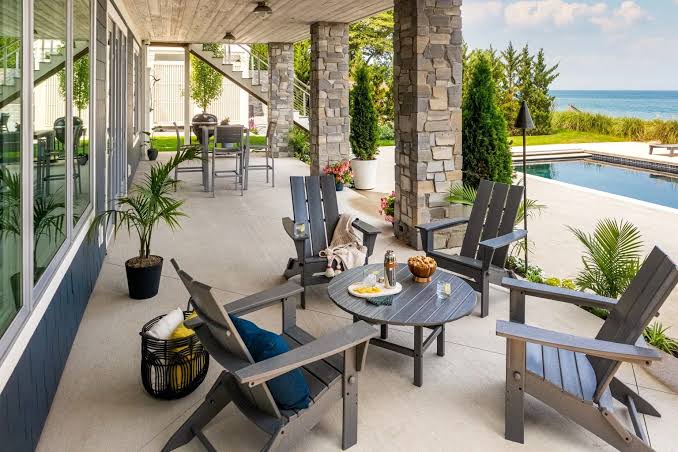
Coastal hospitality venues make a specific calculation when they invest in outdoor furniture. The setting is the product. A terrace overlooking the water, a deck that captures the afternoon sea breeze, an outdoor dining space that frames the coastline: these are the experiences that attract guests and justify premium pricing. The furniture that fills these spaces is a significant investment, and in a coastal environment, it is also under a form of continuous attack that inland venues do not contend with.
Salt air, UV radiation, humidity, and the occasional direct exposure to ocean spray create degradation conditions that furniture manufacturers typically do not describe prominently in product specifications. Understanding these conditions and the maintenance disciplines they require is the difference between outdoor furniture that holds its appearance and structural integrity across several seasons and furniture that looks worn within its first year of service.
What Coastal Air Does to Different Materials
Salt air carries fine particles of sodium chloride that settle on every surface they contact. On metals, this accelerates oxidation and galvanic corrosion, particularly at joints, welds, and any point where a protective coating has been compromised. On powder-coated finishes, salt penetration under the coating creates bubbling and flaking that is both aesthetically significant and structurally progressive. On timber, salt absorption reduces dimensional stability and creates conditions that accelerate mould and mildew growth, particularly in timber that is not fully dried between rain and dew events.
Hospitality furniture specified for coastal outdoor use needs to be chosen from a range that has been genuinely engineered for this environment, not simply marketed as “outdoor rated” based on testing conducted in non-coastal conditions. Marine-grade stainless steel, powder coatings applied to a thickness and adhesion standard appropriate for coastal exposure, and naturally durable or treated timbers specifically recommended for salt-air environments are the starting specifications for outdoor coastal furniture that will hold up.
The Maintenance Discipline That Makes the Difference
Even correctly specified coastal outdoor furniture requires a maintenance programme that most venues underinvest in. The single most effective intervention is regular fresh water rinsing of all furniture surfaces. In a coastal environment where salt spray and salt air deposition are continuous, allowing salt to accumulate on surfaces and penetrate protective coatings is the primary driver of premature deterioration. A weekly rinse down of all metal and timber furniture surfaces with fresh water dilutes and removes the salt accumulation before it can work into the material.
For metal furniture, a quarterly wipe-down with a mild detergent solution followed by a thorough fresh water rinse removes the light oxidation layer that forms on even marine-grade metals in a coastal environment. Checking and touching up powder-coated surfaces where chips or scratches have occurred prevents the localised corrosion that, if left unaddressed, spreads under the coating and requires full refinishing to arrest.
Banquet table and chairs for sale destined for coastal outdoor use should come with specific care instructions for the coastal environment from the supplier. If the supplier cannot provide this guidance, the product may not have been tested or evaluated for this application and should not be assumed to be appropriate for it.
End-of-Season Assessment and Storage
Coastal outdoor furniture should be assessed at the end of each high-season period, before any extended reduced-use period, rather than stored and assessed when it is next needed. The assessment should cover the condition of all protective coatings on metal components, the fastener condition at all joints and connections, the structural integrity of welds, and the condition of any timber components including checking for signs of checking, splitting, or mould.
Furniture with developing issues identified at this assessment can be addressed during the off-season period at significantly lower cost and disruption than furniture that fails structurally during service or arrives at the start of the next season requiring urgent replacement.