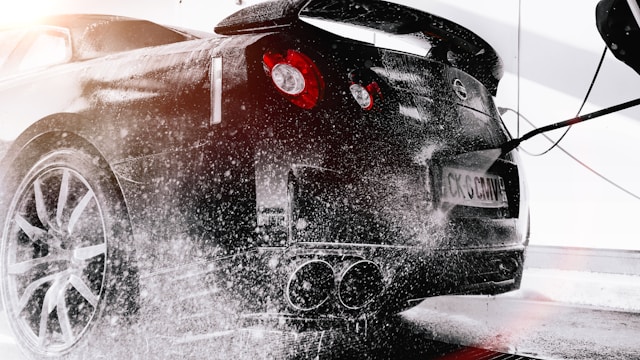
Commercial car wash environments are among the most demanding spaces for lighting design. Constant moisture, chemical exposure, high-pressure water, and fast-moving vehicles all create conditions where standard lighting solutions often fail. At the same time, lighting plays a critical role in safety, operational efficiency, and customer perception. A well-lit car wash not only improves visibility for workers but also enhances the customer experience and reinforces a sense of cleanliness and professionalism.
Choosing the right lighting requires more than selecting bright fixtures. It involves understanding how different zones function, what visual tasks are performed in each area, and how lighting performance holds up in harsh conditions.
Why Lighting Matters in Car Wash Facilities
In a commercial car wash, lighting directly affects both operational quality and business performance. Poor illumination can lead to missed dirt spots, inefficient cleaning, and even safety hazards for staff and drivers. On the other hand, well-designed lighting improves precision during washing, reduces accidents, and creates a visually appealing environment that customers associate with high-quality service.
Modern car wash operators increasingly treat lighting as part of their branding. A bright, evenly illuminated tunnel or bay gives customers confidence that their vehicles are being thoroughly cleaned.
Key Factors to Consider in Car Wash Lighting Design
When selecting lighting for a car wash, several technical and environmental factors must be considered:
1. Waterproof and Durable Design
Lighting fixtures must withstand continuous exposure to water and humidity. High ingress protection (IP65 or above) is typically required to ensure long-term reliability.
2. Brightness and Uniformity
Uniform lighting helps eliminate shadows that could hide dirt or reduce visibility for workers. High-lumen output with diffused distribution is often preferred.
3. Chemical Resistance
Car wash environments often include detergents and cleaning chemicals that can corrode poorly protected fixtures.
4. Energy Efficiency
LED lighting is now the standard due to its low energy consumption, long lifespan, and reduced maintenance costs.
5. Color Rendering
Accurate color rendering ensures that dirt, soap residue, and water spots are clearly visible during cleaning.
Lighting Requirements Across Different Car Wash Zones
A commercial car wash is typically divided into multiple functional areas, each requiring a different lighting approach:
- Pre-wash area: Needs strong, focused lighting to highlight dirt and prepare vehicles for washing.
- Wash tunnel: Requires uniform, shadow-free illumination to ensure consistent cleaning results.
- Drying zone: Benefits from high visibility lighting to help operators inspect the final finish.
- Entrance and exit zones: Should prioritize safety and guidance for vehicle movement.
Understanding these zones is essential when planning a complete lighting system. For a detailed breakdown of fixture types and layout strategies across these areas, you can refer to this car wash lighting guide.
Types of Lighting Used in Car Wash Facilities
Different lighting technologies are used depending on application needs:
LED Linear Lights
Ideal for tunnel lighting due to their uniform distribution and energy efficiency.
Waterproof Floodlights
Used in outdoor or high-moisture areas where strong illumination is required.
Wall-mounted Fixtures
Common in pre-wash and detailing areas to provide targeted brightness.
RGB or Decorative Lighting
Sometimes used in modern commercial car washes to enhance branding and create a premium customer experience.
Each type of fixture plays a specific role in ensuring both functionality and visual appeal.
Design Best Practices for Optimal Results
A successful car wash lighting system balances performance, durability, and aesthetics. Some best practices include:
- Positioning lights to minimize glare for drivers
- Ensuring overlap between fixtures to eliminate dark zones
- Using corrosion-resistant housing materials such as aluminum alloys
- Incorporating modular designs for easier maintenance and replacement
- Planning lighting layouts based on vehicle flow direction
These design principles help maintain consistent performance while reducing long-term operational costs.
The Role of Professional Lighting Solutions
As car wash facilities become more automated and design-focused, the demand for specialized lighting systems continues to grow. Off-the-shelf lighting products often fail to meet the environmental and performance requirements of these facilities. Instead, operators are turning to engineered systems designed specifically for car wash applications.
For operators looking to upgrade or design new facilities, exploring professional-grade systems such as car wash lighting solutions can provide a more reliable and long-term approach to lighting design. These solutions are typically optimized for waterproofing, durability, and uniform illumination across all operational zones.
Conclusion
Selecting the right lighting for commercial car washes is a balance of engineering, safety, and customer experience. From waterproof durability to uniform brightness and zone-specific design, every detail contributes to overall performance. As car wash businesses continue to evolve, lighting is no longer just a utility—it is a key component of operational efficiency and brand presentation.
By investing in well-designed systems and following structured lighting principles, operators can significantly improve both service quality and customer satisfaction.