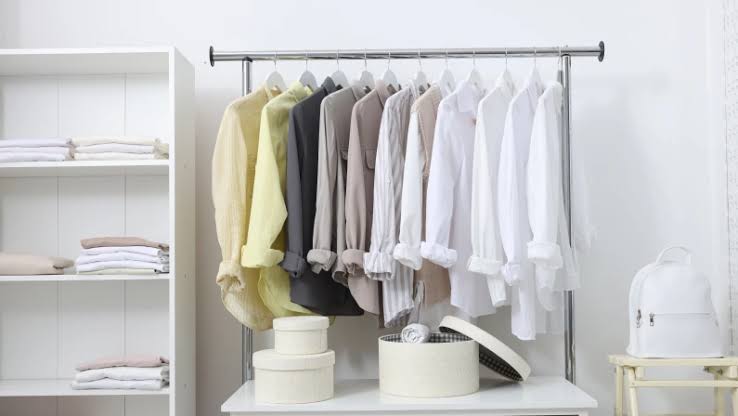
Most people replace their clothes far more often than they need to, not because the items are actually worn out, but because they weren’t cared for properly along the way. A shirt that loses its shape after five washes, a jacket that cracks after one winter, or a sweater that pills after a month usually points to a care problem, not a quality problem. The good news is that most of this damage is completely avoidable.
Taking care of your clothes isn’t complicated or time-consuming once it becomes a habit. It just requires understanding what different fabrics need, avoiding a handful of common mistakes, and being a little more intentional about washing, drying, and storing what you own. Here’s a complete guide to making your wardrobe last significantly longer.
Why Clothing Care Matters More Than You Think
Every time you wash, dry, or store an item incorrectly, you’re shortening its lifespan a little more. Over months and years, these small mistakes compound, which is why so many people find themselves replacing basics every year instead of every five years.
Proper care also protects your investment. A cheap T-shirt that falls apart is an easy loss, but a well-made coat, a leather jacket, or a tailored piece represents real money. Treating these items with care isn’t just about looking good; it’s about protecting what you’ve already spent and avoiding unnecessary future spending.
1. Read and Actually Follow Care Labels
It sounds obvious, but most people ignore care labels entirely. That small tag inside a garment isn’t a suggestion; it’s specific guidance from the manufacturer about water temperature, drying method, and whether an item can go in a machine at all.
Washing something in hot water when it needs cold, or tumble-drying something that should air dry, is one of the fastest ways to shrink fabric, fade color, or warp the shape of a garment permanently. Taking ten seconds to check the label before tossing something in the wash can add years to its life.
2. Wash Less Often Than You Think
Not everything needs to be washed after a single wear. Overwashing is one of the biggest culprits behind fabric breaking down early, fading colors, and stretched-out seams. Jeans, sweaters, and outerwear in particular can usually be worn several times before they actually need cleaning, as long as they’re aired out between wears.
A simple rule: if there’s no visible stain and no noticeable odor, it probably doesn’t need a full wash yet. Spot-cleaning small marks and hanging items up to air out is often enough to keep them fresh without subjecting the fabric to unnecessary wear from the washing machine.
3. Use Cold Water and Gentle Cycles Whenever Possible
Hot water might feel like it cleans better, but it’s harsh on fibers, fades colors faster, and can shrink certain fabrics permanently. Cold water is gentler on most garments and still effectively removes dirt and odor for the vast majority of everyday laundry.
Gentle or delicate cycles reduce the mechanical stress placed on clothes during washing. Combined with a mesh laundry bag for delicate items, this small adjustment can noticeably extend the life of sweaters, activewear, and anything with buttons, zippers, or trim that could snag.
4. Air Dry Instead of Machine Drying When You Can
Tumble dryers are convenient, but the heat and tumbling motion are hard on fabric over time. High heat breaks down elastic fibers, shrinks natural materials like cotton and wool, and speeds up general wear and tear.
Air drying, whether on a rack, a hanger, or laid flat, is gentler and helps garments hold their shape and size far longer. It takes more time, but for anything you actually want to keep for years, it’s one of the highest-impact habits you can build.
5. Store Clothes Properly, Not Just Anywhere
How clothes are stored between wears matters almost as much as how they’re washed. Cramming garments into an overstuffed closet leads to wrinkles, stretched shoulders, and misshapen collars. Folding heavy sweaters instead of hanging them prevents stretching, while structured jackets and coats hold their shape better on sturdy, appropriately sized hangers.
Seasonal storage matters too. Clothes packed away for months should be clean, completely dry, and stored somewhere with stable temperature and humidity to avoid mildew, yellowing, or fabric degradation. A few extra minutes spent storing things properly at the end of a season save a lot of frustration when they come back out.
6. Give Leather the Attention It Deserves
Leather is one of the most durable materials you can own, but only if it’s cared for correctly. Unlike cotton or synthetic fabrics, leather needs conditioning to stay supple, since it can dry out, crack, or stiffen if it’s neglected for too long. A light leather conditioner every few months keeps the material flexible and prevents the surface cracking that ages a jacket badly before its time.
Leather also shouldn’t be stored the same way as other fabrics. It needs breathable storage, away from direct sunlight and excess humidity, and a solid hanger that keeps its shape rather than folding it. If you’re building a wardrobe around durable pieces, brands like The Leather Coats are worth looking at, since well-constructed leather goods are specifically designed to last for years when they’re properly maintained.
Outerwear like a men’s leather jacket benefits enormously from this kind of routine care. With regular conditioning and the right storage, a good leather jacket can genuinely last a decade or longer, often looking better with age as the leather develops a natural, worn-in character rather than simply degrading.
7. Repair Small Issues Before They Become Big Ones
A loose button, a small tear, or a coming-apart seam is an easy fix when caught early. Left alone, these small issues tend to get worse – a loose thread becomes a bigger tear, a missing button leads to an item being set aside and eventually forgotten in the back of a closet.
Keeping a basic sewing kit at home for quick repairs, or having a trusted tailor for anything more involved, can add years to a garment’s usable life. This habit alone is one of the simplest ways to avoid replacing items that could easily have been saved.
8. Rotate What You Wear
Wearing the same few items constantly wears them out faster than spreading use across a wider rotation. Giving clothes rest days between wears allows fibers to recover their shape, and it reduces the cumulative stress of repeated washing and drying.
This is especially relevant for shoes and outerwear, where daily use without a break can noticeably shorten their lifespan. Rotating a small collection of go-to pieces, rather than relying on just one or two items every single day, keeps everything in better shape for longer.
9. Avoid Overexposure to Sun and Heat
Direct sunlight fades color and can weaken fibers over time, which is why drying clothes outdoors in direct sun or storing them near a sunny window isn’t ideal for long-term care. Heat sources like radiators or car interiors can also cause damage, especially to leather and delicate synthetic fabrics.
Drying clothes in the shade, storing them away from direct light, and avoiding prolonged heat exposure are simple adjustments that protect both color and fabric integrity over time.
10. Don’t Overlook Shoe and Accessory Care
Clothing care often gets all the attention, but shoes, belts, and bags wear out just as fast without a little maintenance. Rotating between at least two pairs of daily shoes gives the material and cushioning time to recover between wears, which noticeably extends their lifespan. A quick wipe-down after wearing shoes in wet or muddy conditions also prevents stains and material breakdown from setting in.
Leather accessories, in particular, benefit from the same conditioning routine as a jacket. A belt or bag that’s kept supple and protected from moisture will hold its shape and color far longer than one that’s left to dry out and crack. Treating these smaller items with the same care as the rest of a wardrobe rounds out a routine that keeps everything looking sharp for years, not months.
The Bottom Line
Making clothes last longer isn’t about buying expensive detergent or following complicated routines. It’s about small, consistent habits: reading care labels, washing less aggressively, drying gently, storing thoughtfully, and repairing small issues before they grow. Materials like leather need a little extra attention, but the payoff is a piece that can last for a decade or more instead of a single season.
Building a wardrobe around durable, well-made pieces and caring for them properly is one of the most effective ways to save money over time while always having something reliable to wear. Start with the basics, better washing and drying habits, and build from there.
FAQ
How often should I really wash my clothes?
It depends on the item, but most clothing doesn’t need washing after every single wear. Jeans, sweaters, and outerwear can typically be worn several times first, as long as there’s no visible stain or odor. Overwashing is one of the most common reasons fabric wears out early.
Is cold water actually effective for cleaning clothes?
Yes, for the vast majority of everyday laundry. Cold water removes dirt and odor just as well as hot water for most items, while being far gentler on fibers, colors, and elastic. Hot water is really only necessary for heavily soiled items or specific hygiene needs.
How do I stop my leather jacket from cracking?
Regular conditioning is the key. Leather naturally loses moisture over time, and without conditioning every few months, it can dry out, stiffen, and eventually crack. Proper storage away from direct heat and sunlight also plays a big role in keeping leather supple for years.
Does air drying really make that much of a difference?
It does. The heat and tumbling motion in a dryer break down elastic fibers and can shrink natural materials like cotton and wool over repeated cycles. Air drying is gentler and helps garments hold their original size and shape for much longer.
Is it worth repairing clothes instead of replacing them?
In most cases, yes. Small issues like loose buttons or minor seam damage are inexpensive and quick to fix, and catching them early prevents bigger, more costly damage later. Repairing rather than replacing also means getting more use out of pieces you’ve already invested in.
Conclusion
Extending the life of your wardrobe comes down to a handful of consistent habits rather than any single trick: following care labels, washing and drying more gently, storing items properly, and addressing small repairs before they turn into bigger problems. Leather pieces reward this kind of attention more than almost anything else in a closet, often improving in character the longer they’re cared for.
None of these habits require a lot of extra time once they become routine. The payoff is a wardrobe that looks better, lasts longer, and needs replacing far less often, which ultimately means spending less money and wasting less over time.