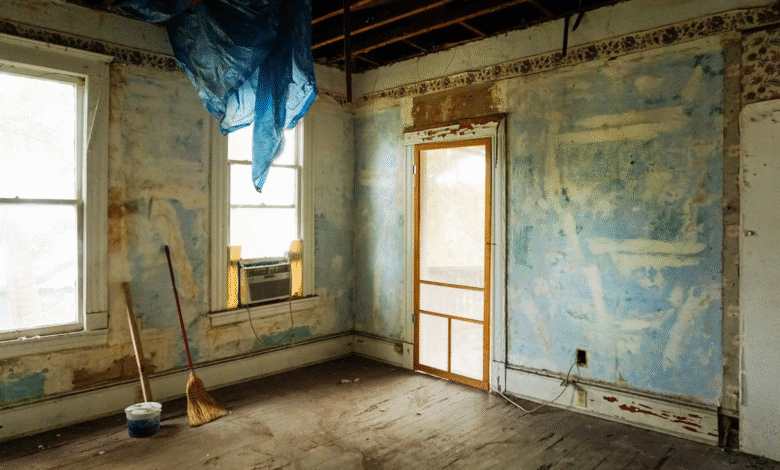
Flood damage ranks among the most overwhelming challenges any homeowner or business owner can face. The combination of structural harm, ruined belongings, and the emotional weight of watching your property deteriorate can make recovery feel completely out of reach. That said, approaching the situation with a clear, deliberate strategy can dramatically reduce stress and help you regain a sense of control. Knowing which steps to take, from the moment flooding occurs right through to the final stages of restoration, makes an enormous difference in how smoothly everything unfolds.
Prioritize Safety Before Anything Else
Before setting foot in a flood-damaged property, safety has to come first, no exceptions. Floodwaters introduce a range of serious hazards, including electrical dangers, structural instability, and exposure to contaminated water carrying bacteria, sewage, or harsh chemicals. Always wait for official clearance from local authorities before returning and never assume that receding water signals an all-clear. Protective gear is essential: rubber boots, gloves, and a face mask at minimum. If you detect a gas smell or spot visible structural issues like sagging ceilings or cracked walls, get out immediately and contact emergency services without delay.
Document Everything Thoroughly
Thorough documentation before any cleanup begins is one of the smartest moves you can make in the immediate aftermath of flooding. Use a smartphone or camera to photograph and video every affected area, from walls and flooring to furniture, appliances, and personal belongings. Wide-angle shots provide context, while close-up images capture the finer details, and making sure timestamps are visible or recorded adds another layer of credibility. This documentation becomes critical evidence when filing an insurance claim and can prevent disputes about what was damaged and how severely. Pair your photos and videos with a written inventory of damaged items, noting estimated values, purchase dates, and any receipts or warranties you can track down.
Contact Your Insurance Provider Promptly
Getting in touch with your insurance company quickly is one of the most important steps in navigating flood damage effectively. Most policies have specific reporting timelines, and delaying your claim could put your coverage at risk. When you call, have your policy number ready, describe the damage clearly, and ask the representative to walk you through the next steps in the claims process. An adjuster will typically visit the property to assess the situation, so resist the urge to discard damaged items or start major repairs before that inspection is complete. Keep detailed records of every conversation with your insurer, including dates, names of the people you spoke with, and brief summaries of what was discussed.
Begin the Water Removal and Drying Process
The longer standing water sits in your property, the greater the risk of secondary damage like mold growth, wood rot, and continued deterioration of building materials. Once conditions are safe and your insurer has given the go-ahead, start water extraction as quickly as possible. Wet-dry vacuums, submersible pumps, and industrial fans can all help speed up the removal and drying process considerably. Pay close attention to hidden moisture lurking inside walls, beneath flooring, and within cabinets, since these are the spots most likely to foster mold if they aren’t dried out properly. Professional restoration teams use specialized moisture detection tools to find problem areas that aren’t visible to the naked eye, which is a big reason why hiring experienced professionals tends to deliver more thorough results.
Work With a Professional Restoration Team
Flood damage restoration is genuinely complex work that goes far beyond drying out a space and calling it done. Skilled professionals bring the expertise, equipment, and hands-on experience needed to handle mold remediation, structural repairs, content cleaning, and full property rebuilding. Bringing in a reputable team also means the work is completed to recognized industry standards, which can strengthen your insurance claim through detailed reporting and documentation. When evaluating restoration companies, look for certifications from organizations like the Institute of Inspection, Cleaning and Restoration Certification (IICRC), read through verified customer reviews, and ask for a clear breakdown of their restoration process. For property owners dealing with storm or hurricane-related flooding in the region, partnering with a trusted Tampa, FL restoration company can make a real difference in how efficiently your property is brought back to its pre-flood condition.
Take Steps to Prevent Future Flood Damage
Once the restoration work is done, it’s worth dedicating some time and resources to flood prevention so you’re less vulnerable down the road. Installing sump pumps, backflow valves, and flood barriers can go a long way toward minimizing water intrusion during heavy rainfall or storm surges. Elevating electrical systems, major appliances, and HVAC equipment above likely flood levels is another practical and worthwhile measure. Review your flood insurance coverage to confirm it accurately reflects the current value of your home and its contents. Staying informed about local flood risk zones and seasonal weather patterns puts you in a much better position to act before disaster strikes rather than scrambling to respond after the fact.
Conclusion
Navigating flood damage is undeniably difficult, but having a structured approach transforms what feels like chaos into a manageable recovery process. From prioritizing safety and capturing thorough documentation to partnering with skilled restoration professionals and taking steps to protect against future flooding, every action along the way contributes to rebuilding effectively. Moving quickly and making informed decisions protects not just your property but your financial investment and personal well-being too. With the right resources, professional guidance, and a solid plan in place, a full recovery from flood damage is absolutely within reach.