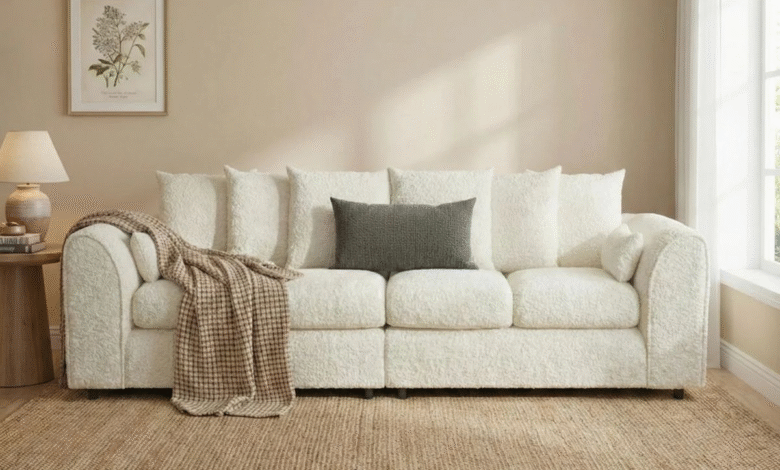
Buying luxurious furniture is a popular trend among UK homeowners. It is considered a symbol of sophistication, refinement, and comfort that can significantly elevate both the functionality and aesthetics of your home. Additionally, it occupies less space than traditional furniture and usually comes with built-in storage solutions, maximising the space efficiency of your home.
Luxury or premier quality, high-end furniture items, like Boucle sofas, are also known for their incredible longevity, sustainability, and various other potential benefits. However, buying these bespoke pieces also involves higher upfront costs that can be difficult to afford for most users. It results in raising concerns about the worth of luxury furniture and encouraging people to carefully consider whether investing in luxury furniture is a worthwhile decision.
Here’s a detailed overlook of both the pros and cons of luxury furniture to help you understand its importance and make an informed decision.
Pros
Investing in luxury furniture can be a significant solution for those seeking smart and stylish solutions to enhance their living space functionality and aesthetics. It not only fills your space but also brings various potential benefits that are described below.
Craftsmanship
The most significant advantage or reason you should invest in luxury furniture is its exceptional craftsmanship, highlighting artisanal skills and techniques passed down through generations. Each piece is crafted with care, dedication, and meticulous attention to ensure exceptional quality and perfect finishing.
From hand-crafting to hand-painting and hand-upholstering, luxury furniture makers often employ traditional craftsmanship because it is considered more reliable and effective than auto craftsmanship. It brings a sophisticated touch and unique design to each piece, adding to its looks and value.
Exceptional Quality
Luxury furniture always showcases exceptional quality and craftsmanship when buying from a trusted brand and reliable store, which makes it a popular choice among modern communities and luxury enthusiasts. It is designed under rigorous quality control measures and by using high-quality, reliable materials to make it highly resistant to early wear or tear and ensure each piece is durable and long-lasting.
High-end materials such as rare sustainably sourced wood and solid brass or stainless steel provide it strength and durability, making it a reliable and aesthetically appealing choice for both domestic and commercial scale uses.
Timeless Design
Classic styles, trendy designs, and timeless elegance also contribute to making luxury furniture a popular choice for homes to enhance the aesthetics, functionality, and overall value of your property. These timeless designs ensure that luxury furniture remains a suitable and valuable asset even after decades. It results in eliminating the stress of replacing furniture after a short duration to stay in trend and enhance your lifestyle.
Sustainability and Durability
The most appealing feature of luxury furniture that makes it a worthwhile investment is its sustainability and exceptional durability. It is made up of high-quality material and often incorporates eco-friendly components and practices, enabling it to last longer and also contribute to reducing the carbon footprint.
Customisation Option
Luxurious furniture makers offer customisation options, allowing you to choose the design and style from a wide range of choices, make changes in the upholstery, and make changes in the materials selection. It results in providing you with the right type of luxury furniture that can reflect your style and status.
Better Resale Value
Investing in reliable and luxurious furniture is also considered a significant investment because it can be easily resold at a competitive rate. Various reliable furniture stores are working around the globe where you can sell your used luxurious furniture and buy the new one catered to your needs and trends.
Cons
Expensive
The biggest reason most people avoid buying luxury furniture is its extremely high cost. However, buying from a reliable store, considering seasonal sales and purchasing in bulk offers or discounts can help you fulfil your desire to have exclusive pieces of furniture without breaking the bank.
Higher Maintenance
Another potential side effect of buying luxury furniture is that it demands higher maintenance, which can be quite expensive. Moreover, the cleaning, repairing, and replacement of luxury furniture is also more costly than traditional furniture.
Depreciation
Luxury furniture often depreciates due to improper care, as small damages and minor errors become major issues. It results in lowering the resale value. However, regular care and scheduled maintenance can help you enhance the overall lifespan of your furniture.
Final Verdict
Buying luxury furniture, Recliner sofas, is an investment in your lifestyle, home aesthetics and functionality. It may come with some drawbacks or limitations, but the advantages, including smart features like hidden or built-in storage units, space efficiency, sustainability, durability, high-end craftsmanship, good resale value, and increasing aesthetics and property value, are far more appealing. Therefore, it is worth investing in not only to upgrade your lifestyle but also to bring joy and satisfaction for years to come.