Introduction
Creating quality visuals used to require a combination of expensive software, design experience, and plenty of time. Today, the demand for images is higher than ever. Businesses need graphics for social media, online stores, blog posts, and digital marketing campaigns, while independent creators often need visuals for personal projects and publishing.
At the same time, many people are looking for faster and more accessible ways to produce professional-looking images without a steep learning curve. This growing need has led to the rise of browser-based creative platforms that use artificial intelligence to simplify image creation and editing.
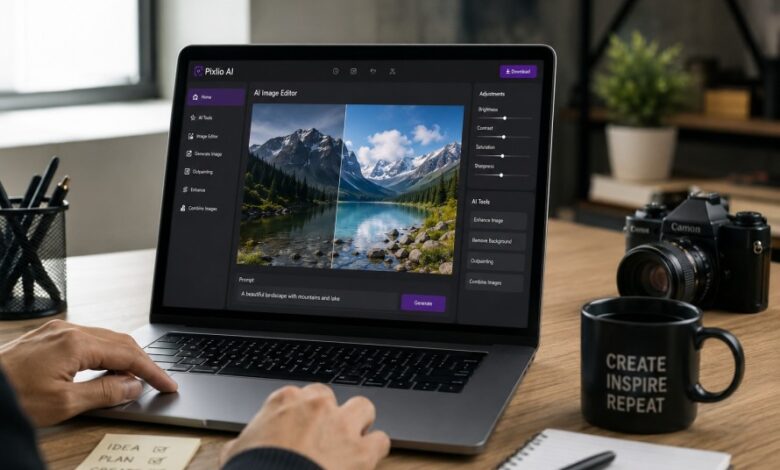
Among these solutions, Pixlio AI has emerged as a practical option for users who want to create and refine visuals directly online. Rather than replacing creativity, these tools help remove technical barriers and make experimentation easier for people with different levels of design experience.
Why AI-Powered Image Editing Is Becoming Essential
Visual content has become one of the most important parts of digital communication. A product listing with poor images may struggle to attract buyers, while social media posts often depend on eye-catching graphics to stand out.
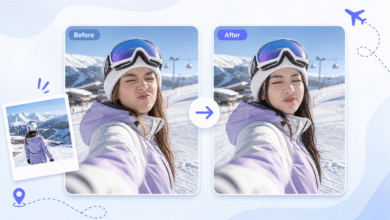
Modern tools like an AI image editor make it possible to improve photos, remove distractions, adjust compositions, or create entirely new visual concepts without using complex desktop software.
For small businesses and independent creators, this accessibility can save valuable time. Instead of spending hours learning advanced editing techniques, users can focus on their ideas and quickly test different creative directions.
The ability to work directly in a browser is another advantage. Whether someone is preparing marketing materials or updating images for a blog, having editing tools available from any device adds convenience and flexibility to the creative process.
Creating Better Content for Social Media and Marketing
Content creators often need a steady flow of fresh visuals. Social platforms favor consistency, but producing new graphics regularly can become a challenge, especially for smaller teams.
AI-powered image platforms simplify many of these tasks. Users can generate concepts, combine separate images into a single scene, or extend backgrounds using outpainting techniques. These features make it easier to adapt one image for multiple platforms and formats.
For example, a small online business might turn a simple product photograph into a promotional image suitable for social media advertisements. A blogger may create custom header images that match a particular topic without hiring a professional designer for every project.
The ability to experiment quickly encourages creativity. Since edits can be made in minutes rather than hours, creators have more opportunities to test ideas and discover what resonates with their audience.
Supporting Creative Projects Beyond Marketing
AI image tools are not limited to commercial applications. Many people use them for personal creative work, including illustrations, hobby projects, and self-publishing.
Writers and independent authors, for example, often need professional-looking covers for ebooks or printed publications. An AI book cover generator can help users explore different styles and layouts before making final design decisions.
Similarly, artists and hobbyists can use image combining and editing features to create mood boards, concept art, or visual experiments. Because these platforms reduce technical complexity, they allow users to focus more on storytelling and creative expression.
The growing popularity of browser-based image tools also demonstrates a broader trend: technology is making visual creation more accessible to people who previously lacked the time, software, or specialized skills required for advanced design work.
The Value of Flexible Browser-Based Tools
One of the biggest advantages of modern AI image platforms is flexibility. Users no longer need powerful computers or complicated software installations to produce polished visuals.
Platforms like Pixlio AI offer practical solutions for a wide variety of tasks, including enhancing product images, combining multiple photographs into a natural composition, and extending scenes beyond their original borders. These capabilities are particularly useful for entrepreneurs, marketers, and creators who need fast results without sacrificing quality.
Another benefit is the ability to experiment with ideas before investing significant resources. A marketing team can quickly create visual concepts for a campaign, while a small business owner can test different product presentations before launching new items.
As AI-powered creative tools continue to improve, they are increasingly becoming part of everyday workflows rather than occasional design aids.
Conclusion
The way people create visual content is changing rapidly. Businesses, marketers, authors, and hobbyists all face growing demands for high-quality images across multiple platforms and projects.
AI-powered image platforms help address these challenges by making editing, image generation, and creative experimentation more accessible. Instead of replacing human creativity, these tools provide practical support that allows users to move from ideas to finished visuals more efficiently.
Pixlio AI represents this shift toward flexible, browser-based creativity. By simplifying tasks such as image editing, scene creation, and visual experimentation, it offers a practical option for people who regularly work with digital content.
As visual communication continues to play a larger role in business and personal projects, accessible AI tools are likely to become an increasingly valuable part of the modern creative toolkit.