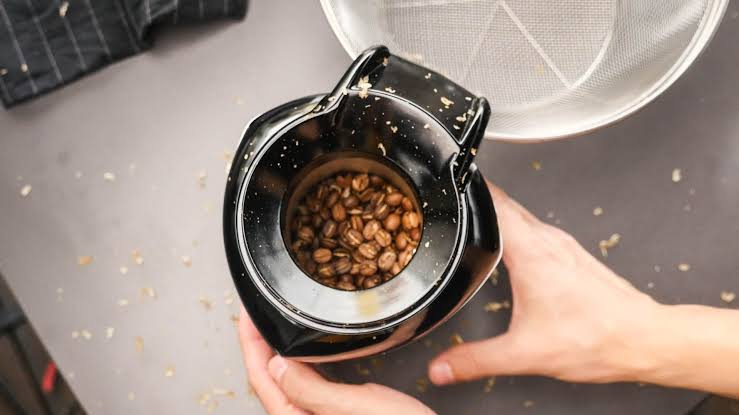
What if the difference between mediocre coffee and exceptional coffee lived in your own kitchen? Home coffee roasting offers an accessible entry point into a hobby that combines science, craftsmanship, and the satisfaction of brewing coffee made from raw beans you have roasted yourself. The process transforms green coffee beans into the aromatic, flavorful product you recognize from your favorite café, and it is far more achievable than many people assume. Starting your roasting journey requires understanding the basics, knowing what equipment works best for beginners, and developing the patience to learn through experimentation.
Understanding the Coffee Roasting Process
Coffee roasting is a chemical transformation that occurs when heat converts the dense, hard green coffee bean into the lighter, crackly bean you grind for brewing. During roasting, hundreds of flavor compounds develop through a process called the Maillard reaction, where proteins and sugars combine under high heat to create the complex flavors associated with roasted coffee. The entire roast typically takes between 12 and 20 minutes, depending on your desired roast level and the specific bean variety. Different roast levels ranging from light to dark produce dramatically different flavor profiles, so understanding where you prefer your coffee on this spectrum is worthwhile before you begin. Most home roasters start with medium roasts because they offer a balanced flavor and provide a forgiving margin for error. Learning to recognize the auditory cues during roasting, particularly the “first crack” and “second crack” sounds that indicate roast progression, becomes crucial as you develop your skills.
Choosing the Right Equipment for Beginners
Selecting your first roasting equipment depends on your budget, available space, and commitment level to the hobby. The most affordable option for beginners is a simple popcorn popper designed for stovetop use, which can roast small batches of coffee beans with minimal additional investment. Dedicated home roasting machines like air roasters fall in the mid-range price category and offer better temperature control and more consistent results than popcorn poppers. Drum roasters represent the premium option, providing the most control and professional-quality results, though they require more space and a larger financial commitment. Each method has distinct advantages, so consider your living situation, whether you have outdoor space for ventilation, and how seriously you plan to pursue roasting as an ongoing activity. A popular starting point for many enthusiasts is an air roaster, which sits between a popcorn popper and drum roaster in both cost and capability, offering reliable performance without overwhelming complexity.
Finding Quality Green Coffee Beans
The foundation of excellent home roasted coffee begins with sourcing high-quality green beans from reputable suppliers. When building an inventory to experiment with different varieties, home roasters rely on fresh green coffee bean suppliers that provide detailed information about each bean’s origin, altitude, and expected flavor characteristics to guide smarter purchasing decisions. Unlike roasted coffee, green beans remain stable for several months when stored in a cool, dry environment, making it practical to keep a rotating selection on hand. Starting with beans labeled as beginner friendly or forgiving varieties helps ensure your early roasting attempts yield drinkable results even if your technique is not yet refined. Reading reviews and descriptions from experienced roasters reveals which beans tend to produce bright, clean flavors versus deeper, darker profiles, helping you select beans that match your taste preferences. Building relationships with your green bean supplier often leads to recommendations tailored to your developing palate and roasting experience level.
Mastering Roasting Technique and Timing
Successfully roasting coffee at home requires attention to temperature, timing, and the sensory cues that indicate your beans are reaching the desired roast level. The first crack, a popping sound that occurs roughly 10 to 12 minutes into the roast, signals that the beans have reached a light roast level and marks the beginning of rapid flavor development. Continuing the roast beyond the first crack gradually deepens the roast level, producing more chocolatey and less acidic flavors the longer the heat is applied. Developing a consistent roasting routine using the same equipment, heat source, and bean batch size helps you replicate successful roasts and troubleshoot problems when results vary. Keeping detailed notes about roast time, temperature progression, and the resulting flavor profile builds your knowledge base and prevents repeating mistakes. Most home roasters recommend starting with full-city or medium roasts, which fall between the first and second crack, because these levels balance approachability with flavorful results.
Cooling and Storage Practices
After roasting ends, properly cooling and storing your beans preserves the flavors developed through the roasting process. Immediately after roasting, beans remain extremely hot and continue cooking internally, so spreading them on a baking sheet or using a dedicated cooling tray halts this process and prevents over-roasting. As beans cool, they release carbon dioxide gas that continues for several days, which is why many roasters wait at least 12 to 24 hours before grinding the beans for brewing. Storing roasted beans in an airtight container away from direct light and heat extends their peak flavor window to approximately two to three weeks after roasting. Keeping roasted beans sealed and limiting exposure to oxygen slows the oxidation process that gradually diminishes flavor complexity over time. Using your roasted coffee within this optimal window ensures you experience the full benefit of your roasting effort before flavor qualities begin to fade.
Conclusion
Starting a home coffee roasting practice opens a gateway to understanding coffee at a deeper level while producing coffee tailored to your specific flavor preferences. The entry barriers are lower than many assume, with budget friendly options like popcorn poppers allowing genuine experimentation without significant financial risk. Learning to source quality green beans, recognize the roasting process stages, and properly cool and store your finished product builds a foundation for consistent, rewarding results. Taking time to document your roasts, experiment with different bean varieties, and adjust your technique based on outcomes accelerates your learning curve and increases your confidence. Whether you choose to start with an affordable popcorn popper or invest in dedicated equipment, the journey of home roasting offers the satisfaction of transforming raw ingredients into the coffee you enjoy every morning.