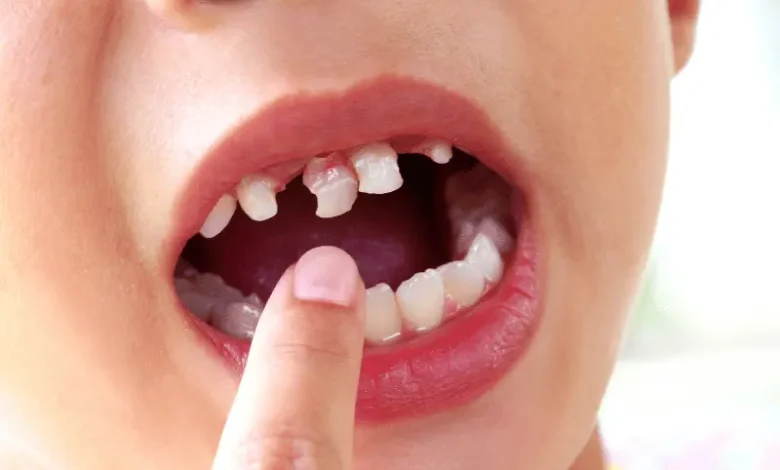
As a parent you would always want your child to remain healthy and that also includes the teeth. However, the issues in the teeth of children can be silent and can become serious when you do not detect them in time. Being aware of the symptoms of child tooth decay will assist you to prevent the development of it to a painful problem.
We will take you through the early signs of tooth decay in children, the causes and what you can do to save the smile of your child in this guide.
What is Tooth Decay in Children?
Tooth decay occurs when the bacteria in the mouth cause acid which erodes the teeth. This may give rise to cavities with time.
Tooth decay is prevalent in children, particularly among young children who are yet to master the art of brushing. Decay can develop even in babies and toddlers.
Yes it is true that toddlers can get tooth decay and it can begin as soon as they get teeth.
Importance of early detection
It is crucial to detect the early signs of cavities in kids. Otherwise decay can:
- Cause pain and discomfort
- Lead to infections
- Affect eating and speaking
- Injury permanent teeth in the future.
The earlier you identify the problem the better it is to cure.
Typical Tooth Decay in Children
We will discuss the most frequent symptoms of tooth decay in children that you are to be aware of.
1. White or Chalky Spots on Teeth
One of the earliest baby tooth decay signs is the appearance of white or dull spots on the teeth.
When these spots appear the enamel is beginning to weaken. Most parents overlook this step as nothing seems serious but it is the first sign.
2. Yellow, Brown or Black Stains
The worse off the decay is, the more dark spots or stains you may see on the teeth of your child.
These are obvious holes in children’s early indications that the enamel is already damaged and the bacteria is spreading.
3. Tooth Sensitivity
When your child says that he/she feels pain when eating hot, cold or sweet foods, it may be an indicator of decay.
One of the most frequent cavities symptoms in kids is sensitivity, particularly in cases when the cavity gets deeper to the layers of the tooth.
4. Toothache or Discomfort
Pain in the teeth is one of the indicators of decay that is chronic.
You may find your child:
- Will not chew on one side.
- Cries while eating
- Complains about toothache
It cannot be at the initial phase anymore, it must be addressed promptly.
5. Bad Breath That Doesn’t Go Away
Poor brushing does not necessarily cause bad breath in kids. When it does not disappear after washing, then it might be associated with decay.
The accumulation of bacteria as a result of childhood tooth decay may give a really strong and unpleasant smell.
6. Puffy or Bloody Gums
Although this is usually associated with gum issues, it may also occur in conjunction with decay.
It may be an indication of infection, which may be caused by untreated cavities.
7. Pits or Holes in Teeth
It is an obvious serious indication.
When you see little holes or pits, then the rot has already created a hole. These are advanced tooth decay in children symptoms and need treatment right away.
Tooth Decay in Kids Causes
The knowledge of the cause will help you avoid future troubles.
The following are some of the most frequent causes of dental problems in children:
- Poor brushing habits
- Often sweetened food and beverages.
- Consuming milk or juice before going to bed.
- Not visiting the dentist regularly
- Stretching the use of bottles in toddlers.
These practices predispose the toddler and older children to tooth decay.
How to Prevent Tooth Decay?
It is better to prevent pediatric tooth decay rather than cure. The following are easy measures that can be made:
1. Brush Twice Daily
Brush your child with fluoride toothpaste in the morning and before going to bed.
2. Limit Sugary Foods
Limit candy, soda and sticky snacks, which sustain bacteria.
3. Get used to Water Over Juice
Water aids in cleansing the mouth and removes food particles.
4. Begin Dental Checkups at an early age
Frequent examinations can be used to identify early signs of cavities in children before they deteriorate.
5. Avoid Bedtime Bottles
Nocturnal milk or juice can be placed on teeth and lead to signs of baby tooth decay.
Know When to Visit a Dentist
When you suspect that there is a case of tooth decay in children, do not put it off.
Visit a dentist if your child has:
- Tooth pain
- Observable stains or holes.
- Sensitivity
- Bad breath that won’t go away
In the U.S. and particularly in the South, you might want to find a pediatric dentist for cavities in Alabama that has experience in treating young children with cavities.
Decay is preventable and you can spare your child the pain.
Therapy of Tooth Decay
Should there be any decay, the dentist can recommend:
- Fluoride treatments (at early stages)
- Fillings (to fill cavities)
- Crowns (in case of serious damage)
- Tooth removal (in severe cases)
The treatment is based on the level of kids cavities symptoms.
Final Thoughts
Tooth decay may begin small but become a large problem when not taken care of. This is why it is necessary to be aware of the symptoms of tooth decay among children and take measures.
Watch out on white spots, stains, sensitivity and pain. These are the first indications of cavities in children, and your opportunity to prevent the issue before it becomes more significant.
With good habits, frequent visits to a dentist and promptness you can keep the smile of your child healthy and strong.
FAQs
1. What are the cavities in kids? What are the initial signs?
Cavities in children manifest through white spots of teeth, sensitivity and slight discoloration in the children. These symptoms manifest themselves prior to severe damage occurring.
2. Are toddlers able to have tooth decay?
Yes, tooth decay in toddlers is an ordinary thing, particularly when they take the sugary drinks or when they sleep holding a bottle.
3. What do I do to determine whether my child has tooth decay or not?
Symptoms of tooth decay in children such as pain, bad breath, stains or visible holes in teeth should be looked at.
4. What age should I take my child to the dentist to have cavities?
When you observe cavities in kids early signs, you ought to visit a dentist. Early intervention will avoid pain and larger dental issues.