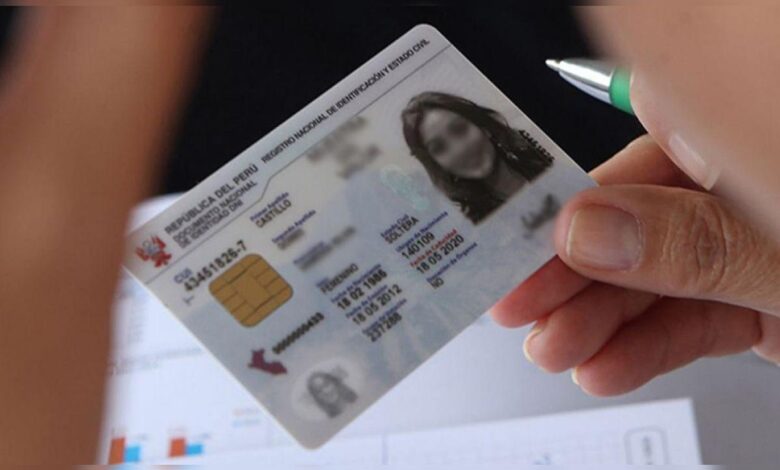
Hoy en día, verificar la identidad de una persona en Perú se ha vuelto más importante que nunca, especialmente cuando se trata de trámites legales, laborales o administrativos. Muchas personas buscan una forma rápida de encontrar el número de DNI utilizando solo nombres y apellidos, pero no siempre saben cuál es el método correcto o más confiable.
En esta guía te explicamos cómo buscar DNI por nombre en Perú utilizando plataformas oficiales, qué información puedes obtener realmente y cuáles son las limitaciones que debes tener en cuenta para hacer una consulta segura y efectiva.
¿Cuándo es útil buscar el DNI por nombre y apellido?
Consultar el DNI de una persona a partir de sus nombres puede ser útil en diferentes situaciones, especialmente cuando necesitas validar información básica antes de realizar algún proceso importante.
Algunos casos comunes incluyen:
- Verificación de identidad en procesos laborales
- Validación de datos para contratos o trámites legales
- Confirmación de información en registros académicos
- Revisión previa en gestiones administrativas
Este tipo de búsqueda permite reducir errores y asegurar que los datos coincidan correctamente.
¿Se puede buscar DNI por nombre gratis en Perú?
Sí, en Perú existen plataformas oficiales que permiten realizar consultas gratuitas usando nombres y apellidos. Sin embargo, es importante entender que el acceso a la información está regulado, por lo que los datos mostrados suelen ser básicos y limitados.
Estas consultas deben realizarse siempre desde fuentes confiables y utilizarse únicamente con fines legítimos.
Te puede interesar:
Saber Dirección con el Número de DNI en Perú
Plataformas oficiales para buscar DNI por nombre
A continuación, te mostramos las principales opciones disponibles y cómo utilizarlas correctamente:
RENIEC – Registro Nacional de Identificación y Estado Civil
RENIEC es la entidad principal encargada de la identificación de los ciudadanos en Perú. Es una de las fuentes más confiables para validar datos personales.
Cómo hacer la consulta:
- Ingresa al portal oficial de RENIEC
- Accede a la sección de consulta de datos
- Introduce nombres y apellidos completos
- Completa el captcha de seguridad
- Haz clic en consultar
Información que puedes encontrar:
- Nombre completo
- Número de DNI (en ciertos casos)
- Fecha de nacimiento
- Estado civil
Limitaciones:
- No siempre muestra todos los datos
- La información puede estar parcialmente actualizada
- No incluye datos de contacto
SBS – Superintendencia de Banca, Seguros y AFP
La SBS permite acceder a información vinculada al sistema financiero, lo que también puede ayudar a identificar a una persona.
Pasos para consultar:
- Accede al sitio oficial de la SBS
- Busca la opción de consulta por nombre
- Ingresa los datos completos
- Completa la verificación de seguridad
- Realiza la búsqueda
Datos disponibles:
- Número de DNI
- Información financiera básica
Limitaciones:
- Información enfocada en el ámbito financiero
- No muestra dirección ni teléfono
SUNAT – Consulta de RUC por nombre
SUNAT ofrece una alternativa indirecta para encontrar información relacionada con el DNI a través del RUC de personas naturales.
Cómo usar SUNAT:
- Ingresa al portal de SUNAT
- Dirígete a la sección “Consulta RUC”
- Selecciona búsqueda por nombre
- Completa los datos solicitados
- Ejecuta la búsqueda
Información disponible:
- Nombre completo
- Número de RUC
- Estado tributario
Limitaciones:
- No muestra datos personales detallados
- Solo útil en contexto tributario
Comparativa de plataformas
| Plataforma | Búsqueda por nombre | Muestra DNI | Tipo de información | Acceso |
| RENIEC | Sí (limitado) | Parcial | Datos personales | Oficial |
| SBS | Sí | Sí | Información financiera | Público |
| SUNAT | Sí | Indirecto | Datos tributarios | Gratuito |
Recomendaciones para una búsqueda segura y precisa
Para obtener mejores resultados y evitar problemas, ten en cuenta lo siguiente:
- Escribe los nombres y apellidos completos correctamente
- Verifica la información en más de una plataforma
- Utiliza únicamente sitios oficiales del Estado
- Evita páginas sospechosas o no verificadas
- No compartas datos personales sin autorización
¿Es legal buscar DNI por nombre en Perú?
Sí, siempre que utilices plataformas públicas y la información se emplee de forma responsable. El acceso indebido o el uso incorrecto de datos personales puede tener consecuencias legales, por lo que es importante actuar con precaución.
Cómo proteger tu información personal
Así como puedes consultar datos, también es importante proteger los tuyos. Algunas buenas prácticas incluyen:
- Usar contraseñas seguras y actualizarlas regularmente
- No ingresar datos en sitios desconocidos
- Verificar siempre la autenticidad de las páginas web
- Evitar compartir información sensible públicamente
Conclusión
Buscar un DNI por nombre en Perú es un proceso posible si utilizas las herramientas adecuadas y sigues buenas prácticas de seguridad. Aunque existen limitaciones en la información disponible, plataformas como RENIEC, SBS y SUNAT ofrecen opciones confiables para realizar consultas básicas de forma gratuita.