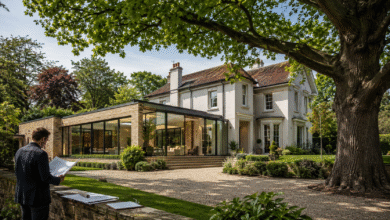
The historical beauty of many UK homes qualifies them for protection as listed buildings. Homeowners need to replace heating systems because their current systems do not meet their needs. The good news is that upgrades are possible with careful planning. The building receives protection through heating improvements, which maintain its historical aspects.
The Boiler Upgrade Scheme UK operates as a grant program which helps decrease expenses for projects. The government enforces strict regulations which govern all listed buildings throughout England and Wales. You need to comply with building regulations while protecting all historical aspects of the site. The guide provides information about your permitted actions and the expected outcomes.
What Is a Listed Building?
A listed building has special historical or architectural importance. The UK government provides legal protection for this building. The building needs to maintain its original character together with its initial design elements. The system uses three categories which are Grade I, Grade II and Grade II to classify buildings. Each grade has different levels of protection. Even small changes may need approval.
Upgrading heating systems requires special permission because it counts as a substantial renovation project. The reason for this requirement exists because these upgrades create changes which impact the building’s interior and exterior surfaces.
Can You Upgrade Boilers in Listed Buildings?
Yes, you can upgrade boilers or heating systems in listed buildings. You must obtain all necessary permissions while following the detailed regulations of the process. The Boiler Upgrade Scheme allows you to submit an application for funding. The scheme provides financial support for the installation of low-carbon heating systems which include heat pumps. The program provides financial assistance through grants to decrease installation expenses.
The building evaluation process needs to assess work activities based on their expected impact on the structure. You need to prove that your design plans will maintain the original character of the structure. The design process requires thorough evaluation while multiple solutions need assessment.
Do You Need Listed Building Consent?
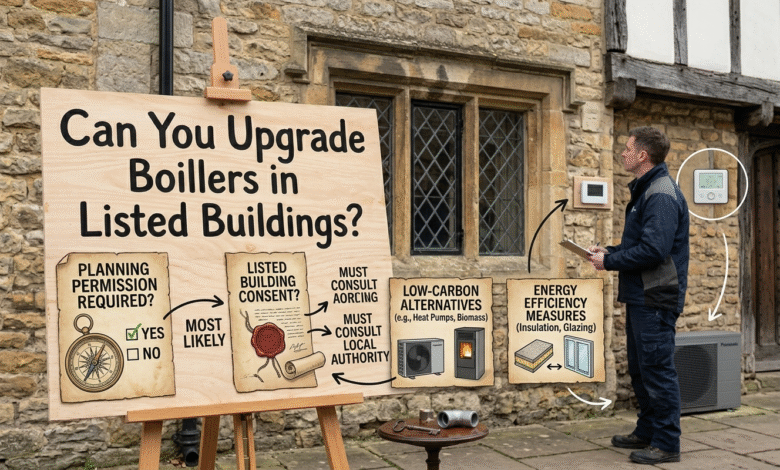
In most cases, yes, you need Listed Building Consent. This is different from standard planning permission. Your local authority will review your plans carefully. They want to ensure no damage to historic features.
Common areas needing consent:
- Installing external heat pump units
- Drilling through historic walls
- Changing fireplaces or chimney structures
- Replacing original radiators
Building works which alter the structure’s original design require approval. The authorities will impose penalties on any construction activities which take place without the necessary permissions.
External Units and Visual Impact
Heat pumps need an outdoor unit to work properly. This unit can change how the building looks. Conservation officers often reject front-facing installations. They prefer units placed at the rear or side. Hidden locations reduce visual impact on the property.
Noise is another concern with external units. You must ensure it does not disturb neighbours. Good placement increases your chances of approval.
Internal Changes and Pipework
Upgrading heating often requires new pipes and system changes. This can affect walls, floors, and historic features. Running pipes through original walls may need approval. Altering fireplaces or removing old radiators may also need consent.
Some radiators are part of the building’s history. Removing them without strong reasons may be refused. Careful planning helps reduce damage to original structures.
Reversibility Matters
Reversibility means changes can be undone in the future. This is very important for listed buildings. Planners prefer upgrades that do not cause permanent damage. For example, surface-mounted pipes are often preferred.
Avoid cutting or removing historic materials where possible. Use methods that protect original features. Reversible designs improve your chances of getting approval.
Heat Pump Compatibility in Listed Homes
Heat pumps operate under different principles when compared to standard boilers. The system functions through lower water temperature operations. The system requires bigger radiators together with underfloor heating systems. The process of upgrading radiators becomes complicated for listed buildings.
The original radiators need to be preserved or their original state needs to be restored. The better choice between the two options exists when they need to restore their old radiators. The operation of heat pumps depends on the effectiveness of their insulation. The building must remain protected during the process of adding insulation. A full property assessment is important before installation.
Choosing the Right Installer
The grant requires you to select an installer who possesses MCS certification. MCS stands for Microgeneration Certification Scheme. Select installers who specialize in working with heritage properties. The experts possess knowledge about both planning regulations and building protection requirements.
A skilled installer can design a system that meets regulations. They can provide assistance during the permit application process. This process streamlines operations while increasing the chances of receiving approval.
Alternative Heating Options
The building cannot use a heat pump because it does not meet the required conditions. The installation process becomes impossible due to planning regulations and design restrictions. In such cases, a modern condensing boiler may be allowed. It can replace an existing boiler in the same location.
The option creates less disturbance to the building. The solution remains ineligible for BUS grant funding. The system will enhance efficiency while decreasing energy expenses.
Steps to Upgrade Heating in a Listed Building
1. Get Expert Advice
Consult a heritage specialist or experienced installer. They can assess your building and suggest suitable options.
2. Plan Your Design
Create a design that protects historic features. Focus on minimal and reversible changes.
3. Apply for Consent
Submit your plans to the local authority. Include clear details and supporting documents.
4. Wait for Approval
Do not start work until approval is granted. This step is very important.
5. Install the System
Use a certified installer to complete the work. Ensure all conditions are followed during installation.
Benefits of Upgrading Heating
The heating system upgrade brings multiple advantages to your home. The system improves comfort which extends to every area of your house. The current systems deliver consistent heating while maintaining high levels of operational efficiency.
Energy bills may decrease over time. Low-carbon systems also reduce environmental impact. The Boiler Upgrade Scheme provides grants which lower initial expenses. The property will gain higher value through your improvements.
Common Challenges to Expect
Upgrading heating in listed buildings can be complex. Planning approvals may take time. Some designs may be rejected initially. Costs can be higher due to special requirements. Work must be done carefully to avoid damage.
Space limitations may affect system choice. However, proper planning helps overcome these challenges.
Conclusion
You can upgrade boilers in listed buildings in the UK. But you must follow strict rules and planning guidance. The Boiler Upgrade Scheme provides funding for heat pump installations and other low-carbon upgrades. The process requires Listed Building Consent for most cases.
External units, pipework, and radiators must be carefully planned. Reversible designs improve your chances of approval. Working with experienced installers is very important. They help protect your home’s historic value. With the right approach, you can enjoy modern heating. At the same time, you preserve your building’s unique character.