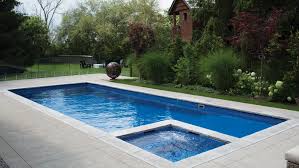
A pool with spa is an integrated structure that supports both active use and relaxation, combining a swimming area for exercise and entertainment with a heated spa for comfort and recovery.
This setup maximises space and provides a functional outdoor area by incorporating the spa into the design. To choose the right pool with spa design, understanding system operation and performance factors is essential before construction.
How a Pool with a Spa Works
A pool with a spa operates by separating two water environments within one system. The pool holds a larger volume of water and is maintained at a lower temperature suited to swimming. The spa holds less water, allowing it to heat quickly and maintain higher soaking temperatures.
When spa mode is activated, water is redirected through heating equipment and pushed through jets at increased pressure. These jets target specific areas of the body, creating hydrotherapy—a combination of heat, buoyancy, and moving water that relieves joints and enables comfortable movement, often improving mobility.
The system uses controlled valves and pumps to switch modes. This maintains pool circulation while allowing the spa to run at higher temperatures and pressure when needed.
Pool with Spa Design Options
The layout of a pool with spa affects both usability and visual integration. Each configuration changes how the space feels and how it is used on a daily basis.
An elevated spillover spa is one of the most common designs. The spa sits slightly above the pool and allows water to flow over an edge into the main pool. This creates a continuous visual feature and supports circulation between the two areas.
A flush-level spa sits at the same height as the pool. This approach delivers a cleaner appearance and works well in modern outdoor spaces where minimal visual separation is preferred.
A separate but adjoining spa offers more flexibility. It remains close to the pool but operates independently. This layout can suit households that use the spa frequently without needing the entire pool system to run.
Selecting the right layout depends on available space, how the outdoor area connects to the home, and how often each feature will be used.
Benefits
A pool with spa extends the functionality of a standard pool by introducing a second use zone.
One of the main benefits is year-round usability. A pool may be used less during cooler months, but a heated spa remains comfortable and accessible. This increases the overall value of the installation.
Hydrotherapy is another advantage. Jet pressure and warm water support relaxation and recovery. While not medical treatment, heat and buoyancy can improve comfort and reduce strain.
Space efficiency is also a key factor. Combining both features into a single structure reduces the need for additional installations, particularly in residential settings where outdoor space is limited.
A well-designed pool and spa combination can also enhance property appeal. Integrated designs often appear more considered and complete than standalone additions.
Key Design Considerations
The performance of a pool with a spa depends on design decisions made early in the planning stage.
Heating systems play a major role. Gas heaters can raise water temperature quickly, which suits spas used on demand. Heat pumps are generally more energy-efficient over time, making them suitable for regular use. Solar heating may also be considered depending on site conditions.
Jet placement determines how effectively the spa is used. Jets should align with seating positions to support the back, shoulders, and legs. Poor placement can reduce comfort and limit the spa’s benefits.
Size and proportion must be balanced. A spa that is too small may feel restrictive, while one that is too large can dominate the pool, reducing usable swimming space.
Placement within the landscape also affects usability. The spa should be easy to access from the home and positioned to reduce exposure to wind while making use of available sunlight.
Control systems can further improve functionality. Automated systems allow users to adjust temperature, lighting, and water flow without manual intervention, making the pool and spa easier to manage.
Materials and Construction
Material selection influences both durability and design flexibility. Concrete is commonly used for a pool with a spa because it allows full customisation of shape, depth, and integration between the two areas. This makes it suitable for tailored designs that need to fit specific site conditions.
Fibreglass options are available with built-in spa sections. These can be installed more quickly but offer less flexibility in layout and design.
Finishes such as tiles and internal coatings affect both appearance and longevity. Spa areas are exposed to higher temperatures, so durable finishes are particularly important in these sections.
Maintenance and Running Costs
A pool with a spa requires consistent maintenance, though it does not significantly increase complexity when systems are designed correctly.
Water chemistry needs to be monitored carefully, especially in the spa, where higher temperatures can alter chemical balance more quickly. Filtration cycles may need to be adjusted depending on how often the spa is used.
Running costs are largely influenced by heating. Maintaining higher spa temperatures requires more energy, so the choice of heating system and how often it is used will affect ongoing expenses.
Regular servicing ensures both the pool and spa remain safe, clean, and efficient.
Conclusion
A pool with a spa allows swimming, relaxation, and year-round outdoor use by integrating both features into a single system.
The success of a pool with spa relies on early planning focused on design, efficient heating, and system integration. By considering these factors from the start, homeowners can achieve a lasting, functional addition that elevates property value and daily quality of life.