There’s a version of this conversation that starts with silhouette and color and works its way backward to fabric as an afterthought. That’s the wrong order. Formal dresses are defined by their fabric before they’re defined by anything else — because the fabric determines whether the dress holds a shape or follows a body, whether it reads as composed or fluid, and whether it’s still looking the way it looked at 7 pm when you’re at the event at midnight.
I noticed this for the first time at a winter gala in Chicago in 2023—two women in nearly identical floor-length gowns — similar silhouette, similar color, similar neckline. One looked flawless all evening. One started showing wear about two hours in — a slight change in how the bodice was sitting, a subtle loss of the clean drape in the skirt. Different fabrics. Same as everything else.
So let’s talk about what fabric actually does, and why the choice matters more than most formal dress guides acknowledge.
The short version: structured fabrics (satin, taffeta, duchess satin, heavy crepe) hold their shape independently of the body. Fluid fabrics (chiffon, georgette, silk charmeuse, light crepe) follow the body, creating movement. Neither is superior. They’re different tools for different effects. The mistake is choosing one when you actually want the other.
Structured Fabrics: The Dresses That Hold Their Form
What Structured Fabrics Actually Do
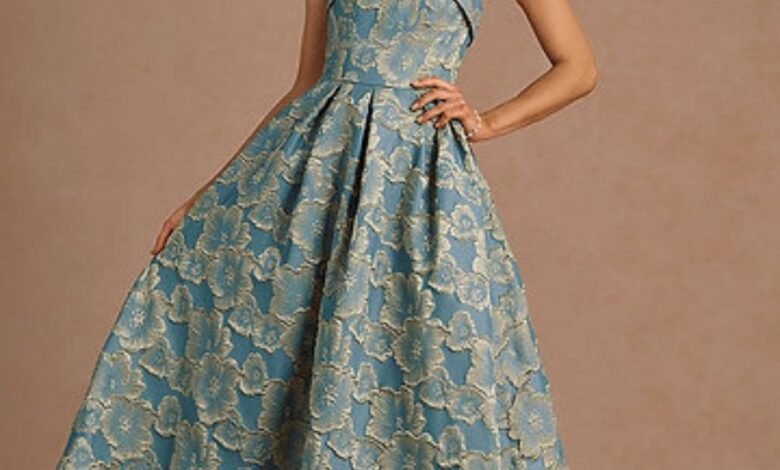
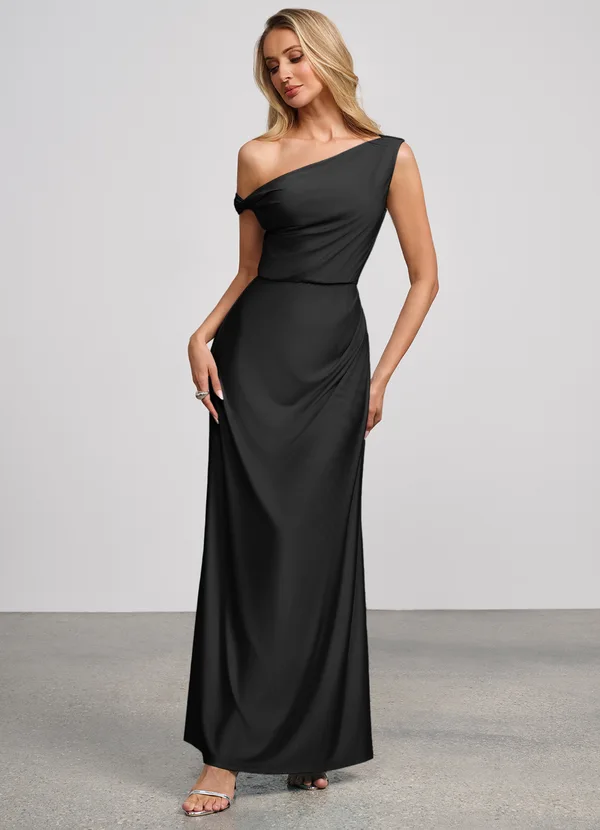
A satin-back crepe, a duchess satin, a mikado — these fabrics have enough body weight and weave density that they create shape rather than draping over existing shape. The dress stands up on its own to some degree. Which means, frustratingly, it can sometimes look better on a hanger than on a body if the fit isn’t calibrated precisely.
But when the fit is right, structured fabrics photograph with the most visual impact. The clean lines don’t shift. The silhouette holds from the processional photo to the end-of-evening photo. And because the fabric is doing structural work, the dress can have a much simpler design — no ruching, no layering, no embellishment needed — and still read as fully formal.
When Structured Fabrics Are the Right Call
Black-tie events, galas, award ceremonies, and formal winter weddings. Structured fabrics in cool-weather formal contexts feel particularly appropriate because the fabric’s weight and density match the gravity of the event. A satin formal dress in a jewel tone at a December gala reads as genuinely luxurious in a way that a flowing chiffon dress wouldn’t — not because chiffon is less elegant, but because the weight of satin matches the temperature and formality of the room.
The practical consideration: structured fabrics are less forgiving of fit imprecision. A satin that doesn’t fit exactly through the bust or hip creates visible pull lines that the fabric has no stretch to accommodate. This is why custom sizing matters significantly more for structured fabrications than for fluid ones.
Structured vs. Fluid: Quick Reference by Event
| Fabric Type | Formality Read | Best Occasion | Practical Note |
| Duchess satin | Very high | Black tie, winter gala | Requires a precise fit |
| Mikado/taffeta | High — structured | Formal weddings, galas | Can show wrinkles — pack carefully |
| Heavy crepe | High — more forgiving | All black tie contexts | Most versatile structured option |
| Chiffon | Semi-formal to formal | Warm venues, outdoor events | Opacity check essential |
| Velvet | Very high — seasonal | Winter formal exclusively | Photographs rich — nap direction matters |
| Silk charmeuse | High — fluid | Warm climate formal events | Most expensive; shows every line |
Fluid Fabrics: Movement, Grace, and the Dresses That Follow the Body
What Fluid Fabrics Do Differently
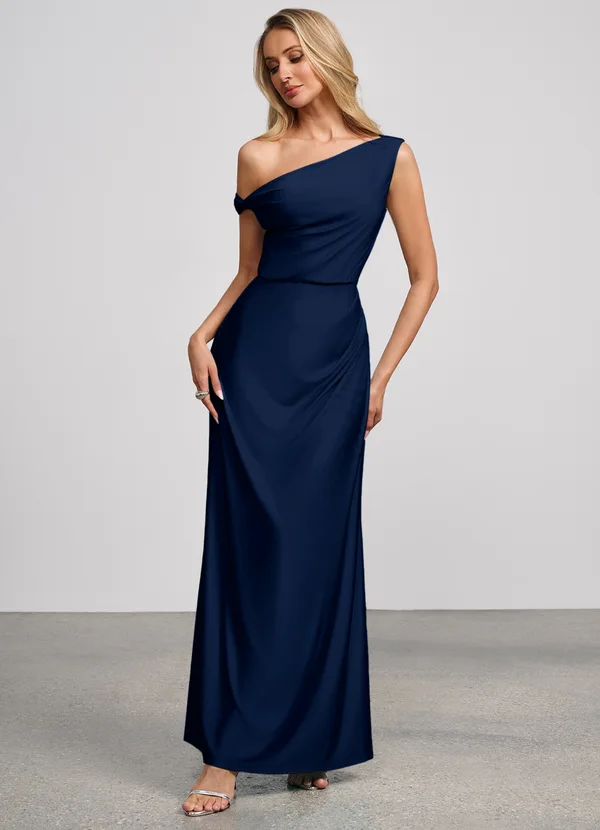
Chiffon, georgette, silk charmeuse, light crepe — these fabrics respond to movement rather than resisting it. When you walk, the skirt moves with you. When you stand still, the fabric settles in a way that responds to your specific body’s shape and stance. The dress is alive in a way that structured fabrics aren’t.
This is genuinely beautiful in person. It’s also what makes fluid fabrics harder to photograph if you’re not intentional about when you take the photo — a flowing skirt caught mid-movement can look disheveled in a still image. In contrast, the same fabric in a composed standing pose looks ethereal.
The Occasions Where Fluid Fabrics Read Best
Garden weddings, outdoor venues, spring and summer formal events, and any occasion where the lighting is warm and natural. Chiffon under afternoon sunlight creates the kind of romantic visual effect that satin simply can’t replicate. Long formal dresses in layered chiffon or silk blends are among the most photographically beautiful options for outdoor formal events — provided the hem is weighted correctly, and the underskirt provides enough opacity in daylight.
The opacity issue is real and gets underestimated. White chiffon in bright outdoor light — or any light-colored fluid fabric — can become translucent in ways that look fine in indoor artificial lighting but show up clearly in flash photography. Double-lined fluid fabrics solve this problem.
The Velvet Question — A Special Case
Velvet deserves its own mention because it’s genuinely different from both structured and fluid fabric categories. Velvet formal dresses have surface texture — the nap — that changes how light interacts with them. Velvet in warm amber lighting looks extraordinarily rich. Under fluorescent or cool lighting, it can look flat. This is a venue-specific consideration more than a design one.
Velvet is also the most seasonally specific fabric in formalwear. It’s correct for October through February formal events, but it reads as heavy and potentially uncomfortable in warmer months. I’ve never seen a velvet formal dress look wrong at a winter gala. I’ve seen several look conspicuously wrong at a spring or summer event.
The nap direction detail: velvet has a grain, and the direction of that grain affects how light reflects off the surface. When you look down the dress versus up the dress, it looks different. A quality velvet formal dress accounts for this in the cutting — poor-quality versions don’t, and it shows.
How to Actually Choose Between Structure and Flow
| 1 | Identify the venue and its lighting conditions before you consider anything else.Warm amber lighting in a ballroom: structured satin and velvet read most luxuriously. Outdoor garden venue in afternoon light: chiffon and silk georgette read most romantically. Neutral indoor event space with mixed lighting: heavy crepe is the most reliable across all lighting conditions. The lighting question isn’t style preference — it’s a practical visual evaluation. |
| 2 | Consider how much of the evening involves seated time versus movement.A formal dinner where you’re seated for two hours and then mingling: structured fabrics hold their shape beautifully through that cycle of sitting and standing. An event with significant dancing: fluid fabrics move with you and don’t restrict movement the way structured ones can. The event’s activity pattern changes the optimal fabric weight. |
| 3 | Test the opacity of any light-colored or fluid fabric in natural daylight.Hold the fabric up to natural daylight and evaluate whether you can see your hand through it. If yes, the fabric will be semi-transparent in outdoor photos or under flash. Double-lined versions of the same fabric solve this. Single-layer chiffon in white or ivory under outdoor light is a specific problem that shows up specifically in photographs. |
| 4 | Check whether the dress handles temperature changes across an evening event.Satin and structured crepe are warmer than chiffon and georgette. For summer formal events at venues that may start outdoors and move indoors, a lighter fabric with a wrap or stole is more practical than a structured satin, which can become uncomfortable as temperatures rise. This sounds minor. After four hours in a hot ballroom, it’s not minor. |
One More Variable: How Silhouette and Fabric Interact
An a-line formal dress in structured satin creates a specific visual effect: a clean bodice, gently flared skirt, the fabric holding the flare in a smooth cone. The same A-line in chiffon creates a completely different effect: the flare is fluid and moves, the overall impression is softer and more romantic. Same silhouette. Different personality entirely.
This is why silhouette shopping without fabric awareness leads to disappointment. A dress you love in satin might not be available in satin, but available in crepe — and those two versions of the same pattern will look and feel significantly different on the body.
For long-sleeve formal dresses, the sleeve fabric is especially important because it’s at face level in every photo and in every interaction throughout the evening. A lace or illusion sleeve in quality fabric reads as refined and intentional. The same sleeve in cheap polyester reads as an afterthought. The sleeve fabric is worth evaluating as carefully as the dress body fabric.
Closing
Fabric is the decision that comes before the dress. Not after. Before you choose a silhouette, color, or neckline, knowing whether you want the evening to feel structured and composed or fluid and romantic helps you choose the right fabric category.
The woman at that Chicago gala in 2023 — the one whose dress held all night chose a heavy crepe in a classic A-line. Simple. No embellishment. Nothing dramatic about the design at all. What the dress had was quality fabric in a weight that could sustain a long winter evening. Which, in the end, is what formal dresses actually need to do. Explore Azazie‘s formal collection across fabric types to see how the same silhouette translates across structured and fluid options.