What Is Availity? A Complete Guide to the Healthcare Platform, Its Uses, Benefits, and Importance

In the modern healthcare system, communication between medical providers, insurance companies, billing teams, and patients is more important than ever. A single medical visit can involve eligibility checks, benefit verification, claim submission, prior authorization, payment updates, remittance details, and follow-up communication between several parties. This is where Availity becomes important. Availity is widely known as a healthcare information network and digital platform that helps providers and payers exchange important administrative, clinical, and financial information more efficiently. For many healthcare organizations, the platform acts as a bridge between medical offices and insurance companies, helping reduce manual work, avoid unnecessary delays, and improve the flow of healthcare data. The focus keyword availityavaility may look unusual, but readers searching for availityavaility are often trying to understand Availity, its portal, its healthcare role, and why it matters in provider-payer communication.
What Is Availity?
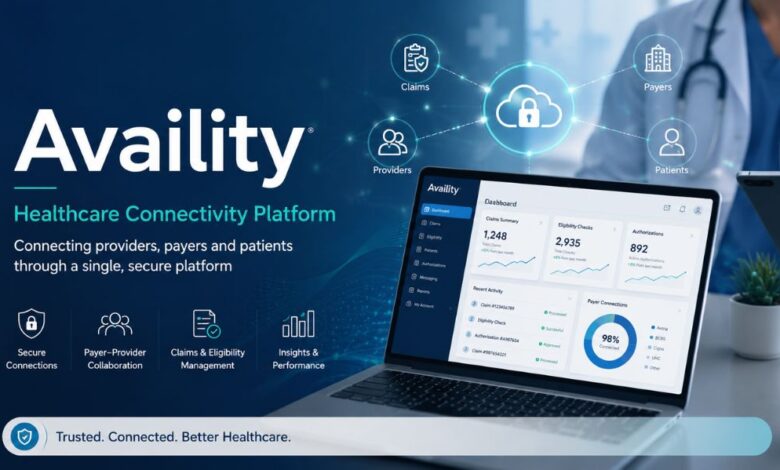
Availity is a healthcare technology platform that connects healthcare providers, health plans, and technology partners through a secure digital network. In simple terms, it gives healthcare professionals a centralized place to handle routine insurance and administrative tasks, rather than making phone calls, using different payer portals, sending faxes or emails, or doing manual follow-ups. Providers can use Availity to check patient eligibility, review benefits, submit claims, check claim status, manage authorizations, and access payer-related information. Since medical billing and insurance communication can be complex, platforms like Availity simplify the process by consolidating multiple tools into one connected environment. The platform benefits practices, hospitals, billing departments, and revenue cycle teams that work with multiple insurers and need faster, more accurate access to information.
Why Availity Matters in Healthcare
Healthcare administration can be time-consuming, especially when staff must confirm coverage, submit claims, track denials, and communicate with payers. Without a connected digital system, these tasks slow the revenue cycle and frustrate both providers and patients. Availity matters because it helps reduce friction in the healthcare system. When providers quickly verify eligibility or check claim status, the office makes better decisions before, during, and after visits. This improves workflow, reduces repetitive manual steps, and allows staff to spend more time supporting patient care rather than chasing down administrative answers. For insurers, Availity supports more organized communication with providers, cutting unnecessary calls and improving data consistency.
How the Availity Portal Works
The Availity portal works as an online access point where authorized healthcare users can perform payer-related tasks. Instead of logging into several different insurance company systems, users may access multiple payer tools from one platform, depending on their organization, permissions, and payer participation. A medical office may use the portal at the front desk to confirm a patient’s insurance eligibility before an appointment. A billing specialist may use it to submit or check claims. A revenue cycle manager may use it to track denials, payments, and remittance details. The platform is built around the idea that healthcare organizations need quick, secure, and organized access to information. Because healthcare data is sensitive, access usually requires proper registration, account setup, user permissions, and compliance with privacy and security requirements.
Key Features of Availity
One of the main reasons healthcare teams search for ‘availityavaility’ is to understand the features available through Availity. (Here, ‘availityavaility’ is used as a focus keyword to ensure users searching for this phrase can find relevant information about Availity features.) The platform supports several administrative and financial healthcare tasks. These include eligibility and benefits verification, claims submission, claim status checks, prior authorization workflows, remittance information, and revenue cycle management support. These features are important because they address common pain points in medical administration. For example, if eligibility is not checked before care is delivered, providers may face claim denials or payment delays. If claim status cannot be viewed easily, billing teams may waste time calling payers. If prior authorization is handled manually, approvals may take longer. Availity streamlines these workflows into a more efficient digital process.
Availity for Healthcare Providers
For healthcare providers, Availity is a practical tool for payer communication. Providers often work with many insurers, each with its own rules and processes. A platform that centralizes these interactions saves time and reduces confusion. Front-office staff may use Availity to confirm active insurance and benefits. Billing departments may use it to submit claims and check payment status. Practice managers may use it to improve the revenue cycle and reduce administrative bottlenecks. Even small workflow improvements matter in a busy setting. Faster eligibility checks, cleaner claims, and transparent claim tracking help organizations operate smoothly.
Availity for Payers and Health Plans
Availity helps both providers and payers with improved communication. Insurance companies handle many provider requests daily: eligibility questions, claim inquiries, authorization requests, and payment communication. With a connected platform, payers reduce call center pressure and improve provider satisfaction. Organized digital exchange also delivers information in a consistent, accessible way. For payers, Availity can modernize provider engagement, reduce waste, and increase collaboration across the healthcare industry.hcare.
Role of Availity in Revenue Cycle Management
Revenue cycle management, or RCM, is how healthcare organizations handle financial activity from registration to final payment. This includes verifying coverage, collecting information, submitting claims, handling denials, reviewing remittance, and ensuring reimbursement. Availity plays a key role in this area because many claim problems start before submission. If patient information is wrong, benefits are not verified, or authorization is missed, claims get delayed or denied. By checking details earlier, Availity supports cleaner claims and better outcomes. For practices and hospitals, better RCM means fewer delays, less rework, and more predictable cash flow.
Benefits of Using Availity
The benefits of Availity are connected to speed, accuracy, organization, and communication. First, it can save time by reducing the need for repeated phone calls and separate payer logins. Second, it can improve accuracy by giving staff access to payer information in a structured format. Third, it can support better claim handling by helping teams identify issues earlier. Fourth, it can improve transparency by allowing providers to check claim status, eligibility, and other details without waiting for manual responses. These benefits are especially valuable in healthcare environments where staff shortages, administrative pressure, and complex insurance rules can make everyday operations difficult. For many organizations, Availity is not just a convenience; it is part of a larger digital healthcare workflow.
Common Users of Availity
People who use Availity are usually healthcare professionals involved in administrative, billing, financial, or payer communication tasks. This includes front-desk staff, billing specialists, claims teams, revenue cycle managers, office administrators, practice managers, and payer relations teams. Doctors and clinical staff may not use the platform directly but benefit from the improved workflow it enables. For example, when administrative teams confirm eligibility and authorizations before a visit, clinicians avoid delays in planning care. When billing teams manage claims efficiently, the whole practice runs more smoothly. Availity is often a behind-the-scenes tool supporting the healthcare experience.
Availity Essentials and Digital Healthcare Access
Many users associate Availity with Availity Essentials, a commonly referenced part of the platform experience. Availity Essentials provides provider access to payer tools and transaction workflows. It is often described in relation to eligibility, benefits, claims, authorizations, and payment-related tasks. For healthcare organizations, this type of digital access is important because modern medical administration depends on fast and reliable information exchange. A patient may expect care to move smoothly, but behind the scenes, the provider must confirm coverage, understand payer rules, and submit accurate documentation. Tools like Availity Essentials can help make these steps more manageable, especially when providers work with multiple payers.
Security and Privacy Considerations
Because Availity deals with healthcare information, security and privacy are central to its use. Healthcare organizations must protect patient information and follow strict rules when handling medical and insurance data. Users generally need authorized access, secure login credentials, and organization-approved permissions. This helps ensure that only the right people can view or manage sensitive information. Security is especially important in healthcare because data may include patient identifiers, insurance information, claim records, and clinical and administrative updates. A platform like Availity must therefore support safe data exchange while helping users complete necessary tasks efficiently. For providers, proper staff training is also important so that employees understand how to use the portal responsibly.
Challenges Users May Face
Although Availity can make healthcare administration easier, users may still face challenges. New users may need time to understand the portal, learn payer-specific workflows, and manage account permissions. Some tasks may vary by payer, so the experience is not always the same across insurance companies. Smaller practices may also need training to get the most value from the platform. Another challenge is that digital tools are only as effective as the information they contain. If patient details are incorrect or staff members do not follow the right workflow, errors can still happen. However, with proper setup, training, and consistent use, Availity can become a valuable part of a healthcare organization’s daily operations.
Why People Search for Availity
People searching for Availity are usually looking for information about Availity, but may type the keyword in a repeated or combined form. Searchers may want to know what Availity is, how to use the Availity portal, whether it is for providers or patients, how it supports claims, or why insurance companies refer users to it. Some may be healthcare workers accessing the platform for the first time, while others may be researching healthcare technology tools. Because the keyword is unusual, a helpful article should explain the topic clearly instead of repeating the phrase unnaturally. The best way to use the focus keyword is to connect it to the real search intent: understanding Availity as a healthcare information network and administrative platform.
Is Availity for Patients?
Availity is primarily designed for healthcare providers, payers, and healthcare organizations, not for general patient use, unlike a patient portal from a hospital or doctor’s office. Patients usually interact directly with their provider, insurance company, or patient portal, while Availity supports the administrative communication behind the scenes. For example, when a patient visits a medical office, staff may use Availity to confirm insurance eligibility or check benefits. The patient may not see the platform, but the information gathered through it can affect the billing and administrative process. This behind-the-scenes role makes Availity important even for people who never personally log into it.
The Future of Platforms Like Availity
The future of healthcare will likely depend even more on digital connectivity, automation, interoperability, and secure data exchange. As healthcare systems become more complex, providers and payers need better ways to communicate without increasing administrative burden. Platforms like Availity are part of this shift because they help organize transactions that once required slower manual processes. In the coming years, healthcare organizations may continue looking for tools that reduce denials, improve authorization workflows, support real-time information, and strengthen payer-provider collaboration. Availity’s role fits within this broader movement toward smarter healthcare administration, where technology enables faster decision-making and greater operational efficiency.
Conclusion
Availity is an important healthcare technology platform that helps providers, payers, and healthcare partners exchange information more efficiently. It supports key administrative and financial tasks such as eligibility checks, benefits verification, claims submission, claim status tracking, prior authorization workflows, and revenue cycle management. For healthcare providers, it can reduce manual work and improve access to payer information. For payers, it can support better communication with provider networks. For the healthcare system overall, Availity helps address one of the biggest challenges in medical administration: moving accurate information between the right parties at the right time. Readers searching for Availity are usually looking for a clear explanation, and the simplest answer is this: Availity is a digital healthcare network built to make provider-payer communication faster, more organized, and more efficient.
(FAQs)
What is Availity used for?
Availity is used by healthcare providers and related organizations to manage insurance and administrative tasks, including eligibility verification, benefits checks, claims submission, claim status tracking, prior authorization, and payment-related workflows.
Is Availity the same as an insurance company?
No, Availity is not an insurance company. It is a healthcare information network and technology platform that enables providers, payers, and healthcare partners to exchange critical information.
Who can use Availity?
Availity is mainly used by healthcare providers, billing teams, medical offices, hospitals, payer organizations, and authorized healthcare staff who need access to payer-related tools and healthcare transaction information.
Is Availity for patients?
Availity is mostly designed for healthcare professionals and organizations, not for general patient use. Patients usually use their provider’s patient portal or insurance company website, while Availity supports administrative work behind the scenes.
Why is Availity important for medical billing?
Availity is important for medical billing because it helps teams verify coverage, submit claims, check claim status, and manage payment-related information. This can reduce delays, improve accuracy, and support better revenue cycle management.
What does Availity mean?
The term availity appears to be a repeated search form of the word Availity. People using this keyword are usually trying to find information about Availity, the Availity portal, or how the platform works in healthcare administration.