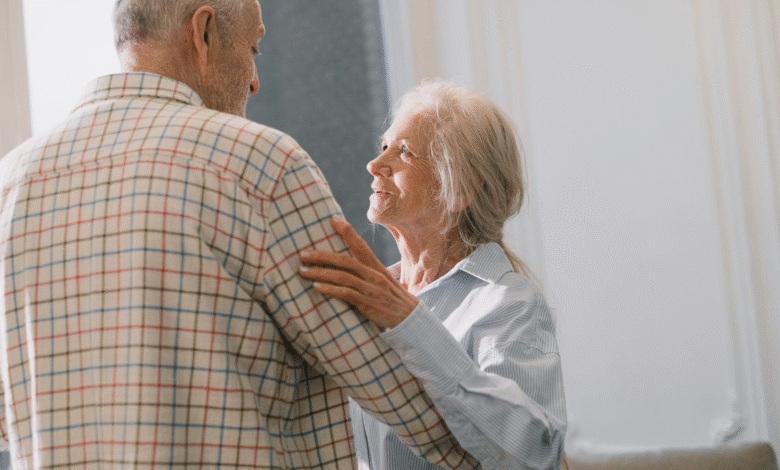
Falls are one of the biggest health concerns for older adults; millions of seniors experience fall-related injuries every year. But here’s the encouraging part: most falls can be prevented with some thoughtful changes to your home environment and daily routines. When you understand which modifications deliver the greatest impact, you can create a safer living space without sacrificing independence or comfort. Even seemingly minor adjustments to lighting, furniture arrangement, and safety features can make a dramatic difference in reducing fall risk. These changes bring peace of mind not just for seniors, but for their families too.
Optimizing Lighting Throughout Your Home
Good lighting is one of the simplest yet most powerful fall prevention tools available. It’s surprising how many falls happen simply because someone couldn’t clearly see a step, rug edge, or piece of furniture in their path. Installing brighter bulbs throughout your home, particularly in hallways, stairways, and bathrooms, significantly improves visibility and gives you more time to react to potential hazards. Motion-activated nightlights are game-changers for those nighttime trips to the bathroom, eliminating the risky practice of stumbling through dark rooms.
Removing Tripping Hazards and Clearing Pathways
Clutter and obstacles don’t just make your home look messy; they create genuine fall risks that can be eliminated with some systematic organization. Those loose throw rugs account for thousands of falls every year, so it’s worth either removing them entirely or replacing them with non-slip versions that lay completely flat against the floor. Electrical cords are notorious about tripping hazards when they stretch across walkways but routing them along walls or securing them with cord covers solves this problem neatly. Place frequently used items within comfortable reach, so you’re not constantly climbing or stretching in ways that throw off your balance.
Installing Strategic Safety Equipment and Supports
Adding supportive devices to key locations throughout your home provides stability right when you need it most. Grab bars installed near toilets, showers, and bathtubs offer crucial support during those vulnerable moments when your balance isn’t quite what it should be. All stairways deserve handrails on both sides, extending beyond the top and bottom steps for that extra security. Non-slip mats in bathtubs and shower floors prevent dangerous slips on wet surfaces and raised toilet seats reduce the physical strain of sitting down and standing back up. For seniors who want comprehensive safety features while maintaining their autonomy, affordable independent senior living communities often incorporate these essential modifications into thoughtfully designed spaces. A shower chair or bench can be invaluable if you experience fatigue or balance issues while bathing. Consider swapping out those round doorknobs for lever-style handles too; they require much less grip strength and coordination to operate, which makes navigating doors easier when you’re carrying something or using a walking aid.
Maintaining Safe Flooring and Surface Conditions
The type and condition of your flooring play a bigger role in fall prevention than most people realize. Worn carpeting with uneven sections or curled edges can catch your feet or mobility devices, so replacing it should be a priority. Any spills need immediate attention to prevent slippery surfaces, keep absorbent mats in areas prone to water exposure like entryways and near kitchen sinks. If you have hardwood or tile floors, applying non-slip wax helps, or you might add textured adhesive strips to particularly slippery spots.
Adopting Safer Daily Habits and Movement Practices
Physical modifications work beautifully, but they deliver the best results when combined with mindful behavioral changes. Take your time when changing positions; rushing significantly increases fall risk, especially when you’re standing up from sitting or lying down. Wear supportive, well-fitting shoes with non-slip soles even when you’re just padding around the house, and avoid those tempting slippers, socks, or smooth-soled shoes. If you’ve been prescribed a cane or walker, use it consistently rather than picking and choosing when it seems convenient.
Conclusion
Creating a fall-safe home doesn’t happen overnight, but the effort you invest pays tremendously in safety, confidence, and continued independence. By improving lighting, eliminating hazards, installing supportive equipment, maintaining proper flooring, and developing safer daily habits, seniors can dramatically reduce their fall risk without giving up their preferred lifestyle. These modifications don’t need to break the bank or feel overwhelming when you tackle them gradually, starting with high-priority areas and cost-effective solutions. Regular safety assessments help you spot new concerns as they pop up, keeping your home secure for years to come. Taking proactive steps today prevents injuries tomorrow, allowing seniors to age gracefully and safely in the comfort of their own homes.